
How Many Watts In A Solar Panel
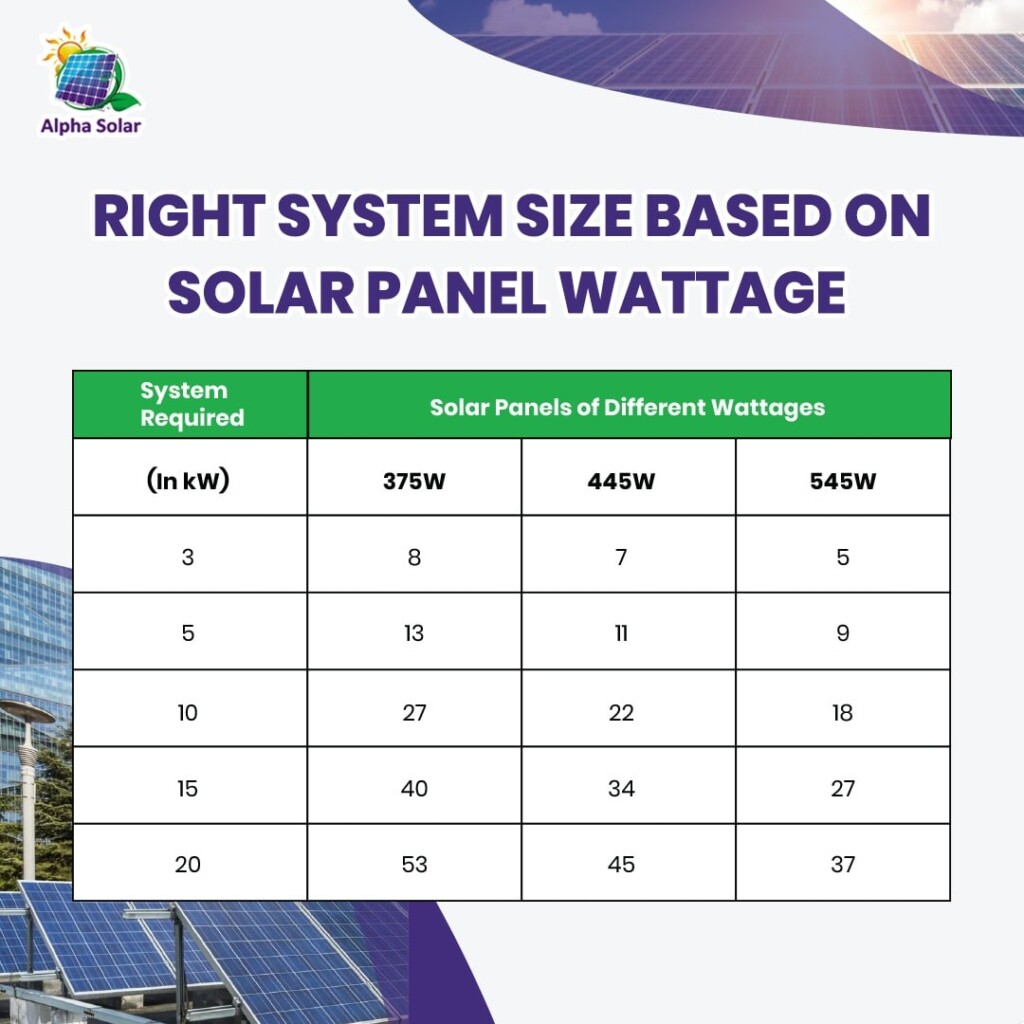
Have you ever looked up at a rooftop covered in those sleek, dark panels and wondered, "Just how much oomph do those things really have?" It's a bit like asking how many sprinkles are on a birthday cake – you know there's a lot, but pinning down an exact number can feel a little mysterious. Let's peel back the curtain, not with complicated equations, but with a good old dose of sunshine and a smile.
Think of a solar panel as a diligent little worker, tirelessly sipping sunlight and turning it into something useful. That "something useful" is what we call electricity, and its strength is measured in watts. Imagine watts as tiny, invisible muscle fibers; the more watts a panel has, the more power it can flex.
The Sunny Side of Power
A single watt isn't much on its own; it’s like the energy a very small nightlight uses. But when those watts team up, they can do some truly surprising things. Most solar panels you see on homes are like powerhouses, often rated between 300 and 450 watts each.
Must Read
To put that in perspective, imagine a lightbulb. A traditional incandescent bulb might use 60 watts. So, a single 300-watt solar panel could theoretically power five of those bulbs all at once, just from the sun’s free energy. It’s like having a tiny, silent generator sitting right on your roof!
From Tiny Lights to Mighty Grids
Not all solar panels are created equal, and that's part of their charm. You might have a tiny, keychain-sized panel that offers just a few watts, barely enough to trickle-charge a phone over several hours. It’s perfect for those little emergencies or a fun outdoor gadget.
Then there are the garden light panels, often around 1 to 5 watts, which silently charge all day to give you a gentle glow at night. These small wonders are like nature's own nightlights, asking for nothing but a little sun. They bring a touch of magic to your evening stroll.

"From illuminating a quaint garden path to powering an entire home, a single solar panel is like a quiet, diligent helper, constantly working behind the scenes."
Move up to the larger panels, the ones you see proudly adorning rooftops, and you enter the realm of serious power. A typical residential panel, humming at around 400 watts, is a marvel of modern engineering. It’s strong enough to make a real difference in your home’s energy footprint.
Consider your trusty laptop, which usually sips about 50 watts while in use. One good solar panel could easily keep eight laptops running simultaneously. Suddenly, powering a home office entirely by sunshine doesn't seem like such a far-fetched dream!
More Than Just Numbers: The Power of Imagination
Here’s where it gets fun and a little surprising: what can one of these beefy residential panels actually run? Well, it won't power your entire house, that's for sure; you’d need a whole array of them for that. But one panel can certainly handle some significant tasks.
Imagine powering your morning ritual: your coffee maker, usually around 800-1200 watts, would likely need a couple of panels working in tandem for its brief, powerful burst. But once that coffee is brewed, a single panel could easily keep your phone charged, your Wi-Fi router humming, and a few LED lights glowing throughout the day.

Picture this: a spontaneous outdoor movie night. One robust solar panel could easily power a small projector and a set of portable speakers for hours under the stars. It transforms a simple backyard into a magical cinematic experience, all thanks to yesterday's sunshine.
And for a touch of humor, imagine trying to power a giant, inflatable bounce house with a single garden solar light. It's a whimsical thought, but it highlights just how varied solar power can be! Knowing the watts helps manage those expectations.
The Heart of the Home, Powered by Sunshine
One of the most heartwarming aspects of solar power is its ability to bring light and connection to places that might otherwise struggle. Think of a remote cabin, far from the grid, where a few panels can power lights, a radio, and even charge vital medical devices. That's not just watts; that's hope and independence.
In our own homes, it’s the quiet satisfaction of knowing your favorite reading lamp is powered by the sun that streamed through your window just hours ago. It’s a subtle yet profound connection to nature, bringing warmth and light into your personal space.

"Imagine powering your morning coffee with yesterday's sunshine – that's the kind of everyday magic solar panels bring into our lives!"
Consider a child's science project, perhaps a miniature solar-powered car or a fan, whirring away with just a small panel. It sparks curiosity and teaches them about sustainable energy in a tangible, exciting way. These little moments build a brighter future.
Or perhaps it's something as simple as keeping a beloved outdoor fountain bubbling, providing a soothing soundtrack to your garden without a single cent added to your electricity bill. These small, consistent acts of power underscore the reliability and gentle strength of solar.
The Unsung Heroes of Our Roofs
When multiple panels are linked together, they create a powerful solar array, converting a trickle of sunlight into a steady stream of energy for your entire home. This is where the true transformation happens, turning your roof into a personal power plant.
Each panel contributes its individual wattage, and these contributions add up significantly. A typical residential system might have 10-20 panels, easily generating 4,000 to 8,000 watts of power during peak sunshine. That’s enough to handle almost all your household needs.
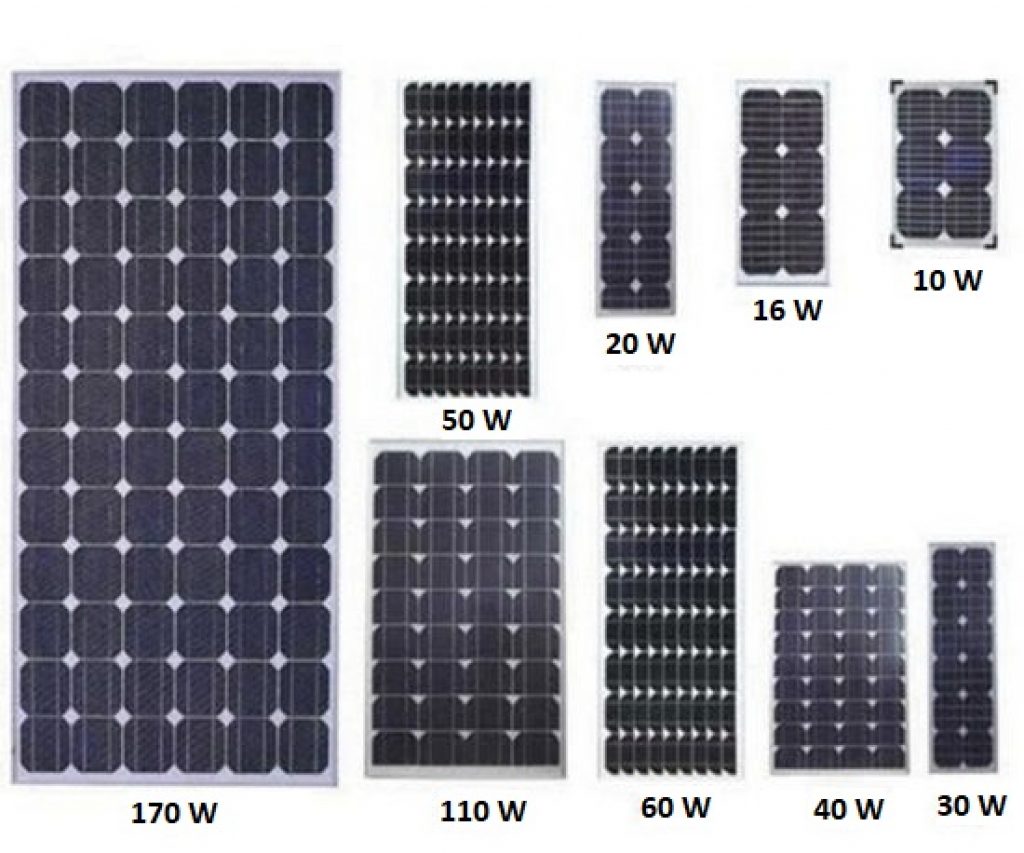
These silent, black rectangles are more than just technology; they represent a commitment to a cleaner world and a smarter way of living. They are the unsung heroes, diligently soaking up photons and turning them into the energy that powers our modern lives.
A Little Bit of Sunshine, A Lot of Spark
So, the next time you glance at a solar panel, remember it’s not just a flat piece of glass and silicon. It’s a miniature power station, silently working its magic. It's collecting ancient sunlight and transforming it into the energy that charges your phone, lights your room, and brews your morning tea.
The "how many watts" question isn't just about a number; it's about potential, independence, and a connection to the ultimate power source: our sun. It's about harnessing a little bit of that fiery star and bringing its generous energy right into our homes.
It’s a tale of surprising strength, heartwarming utility, and a touch of everyday magic. So go ahead, appreciate those watts, because they are quietly powering a brighter, sunnier future for us all. They remind us that powerful solutions can often be beautifully simple.