How Many Watts In A Ceiling Fan

Ever gazed up at your ceiling fan, feeling that wonderful breeze on a warm day, and thought, "I wonder how much electricity this thing is actually sipping?" If so, you're not alone! It might sound like a super technical question, but understanding how many watts your ceiling fan uses is actually a really fun and empowering piece of knowledge. It’s not just about numbers; it’s about making smart choices for your comfort, your wallet, and even the planet!
Think of it as gaining a superpower: the power to truly understand your home appliances. Ceiling fans are fantastic for circulating air, creating a comfortable environment, and often allowing you to raise your thermostat by a few degrees without sacrificing comfort, which means saving big on air conditioning costs. But how much does that comfort cost in terms of electricity? Let's demystify the mighty watt!
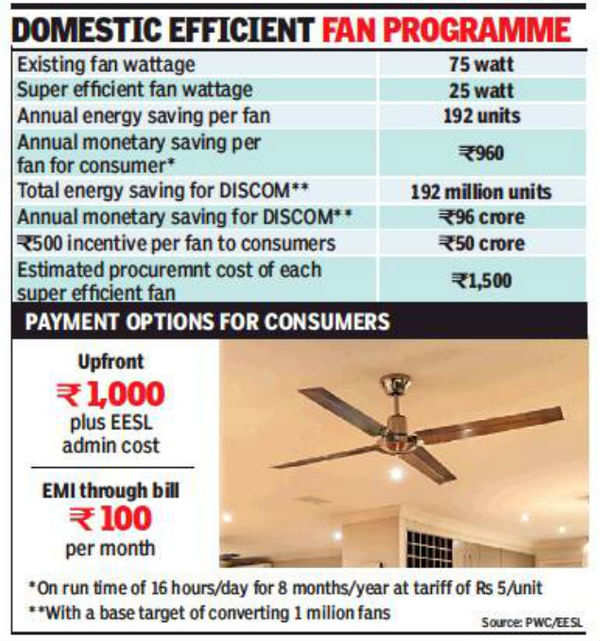
So, what exactly is a watt? In simple terms, a watt is a unit of power that tells you how much electricity an appliance is consuming. The more watts, the more electricity it uses. When it comes to ceiling fans, you'll be happy to know they are generally quite modest energy users. Most standard ceiling fans typically fall into a range of about 15 to 90 watts. That's a pretty wide range, right? So, what makes one fan a lean, mean, air-moving machine, and another a slightly hungrier helper?
Must Read
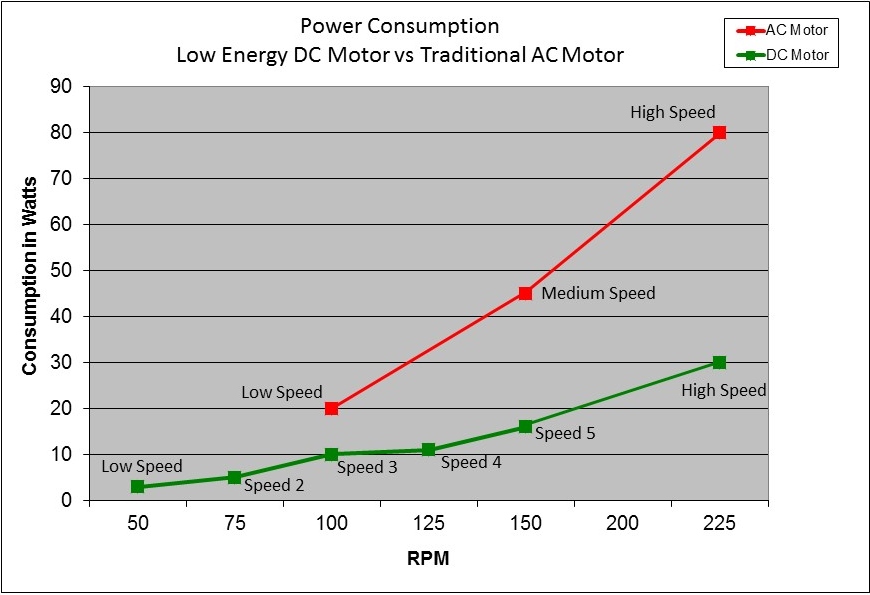
Several factors play a role in a fan's wattage. First, there's the size of the fan – larger blades often require a bit more power to spin. Then, the type of motor is crucial; newer fans with DC (Direct Current) motors are often significantly more energy-efficient, sometimes using as little as 15-30 watts, compared to older AC (Alternating Current) motors. The speed setting you choose also matters: running your fan on low will naturally use fewer watts than running it on high. And if your fan has an integrated light kit, remember that those bulbs add to the total wattage – especially if they're older incandescent bulbs, but significantly less if they're modern LED lights.
Knowing this information empowers you in a few key ways. Firstly, it helps you make smarter purchasing decisions. When you're in the market for a new fan, you can look for models that boast lower wattage or have an ENERGY STAR rating, ensuring you get maximum breeze for minimum electricity. Secondly, it helps you manage your existing fans more effectively. Using your fan on a lower speed when possible, or ensuring you switch off the light when not needed, can add up to noticeable savings on your electricity bill. Ultimately, understanding your fan's wattage means you can enjoy that refreshing breeze with a clear conscience, knowing you're making efficient and economical choices for your home!