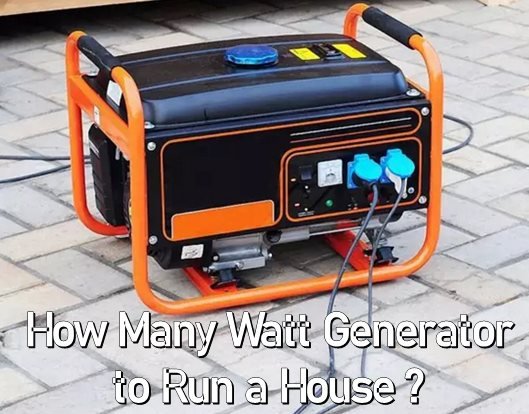
How Many Watts For A Generator To Run A House
Ever wondered what it takes to keep your lights on when the power grid decides to take a vacation? It all boils down to watts, my friend! Specifically, how many watts you need from a generator to keep your house humming. It's a surprisingly fascinating question, and definitely one worth knowing the answer to. So, grab a comfy seat, and let's dive in!
Why Should I Care About Generator Watts?
Think about it: Power outages are becoming more frequent, right? Between wacky weather and aging infrastructure, knowing how to keep the essentials running is just plain smart. We're not talking about doomsday prepping here (unless you are into that!), but rather being prepared for a little inconvenience. Plus, understanding wattage needs helps you make informed decisions when choosing a generator, saving you money and headaches down the road. Who doesn't want that?
Imagine you’re stranded on a desert island, and the only way to watch your favorite reality TV show (purely for research, of course!) is with a generator. You wouldn't want to bring a generator that's only powerful enough to power a toothbrush, would you? Okay, maybe that's an exaggeration, but you get the point!
Must Read
The Watt's Up: Figuring Out Your Needs
So, how do you figure out how many watts your house demands? Well, there are two key numbers to consider: starting watts and running watts.
Starting watts are the surge of power needed to kickstart appliances like your refrigerator, air conditioner, or power tools. Think of it like the energy needed to get a rollercoaster moving up that first big hill. It's a short burst, but a powerful one! Running watts are the continuous power needed to keep those same appliances running smoothly after they've started. This is like the energy needed to keep the rollercoaster cruising around the track.
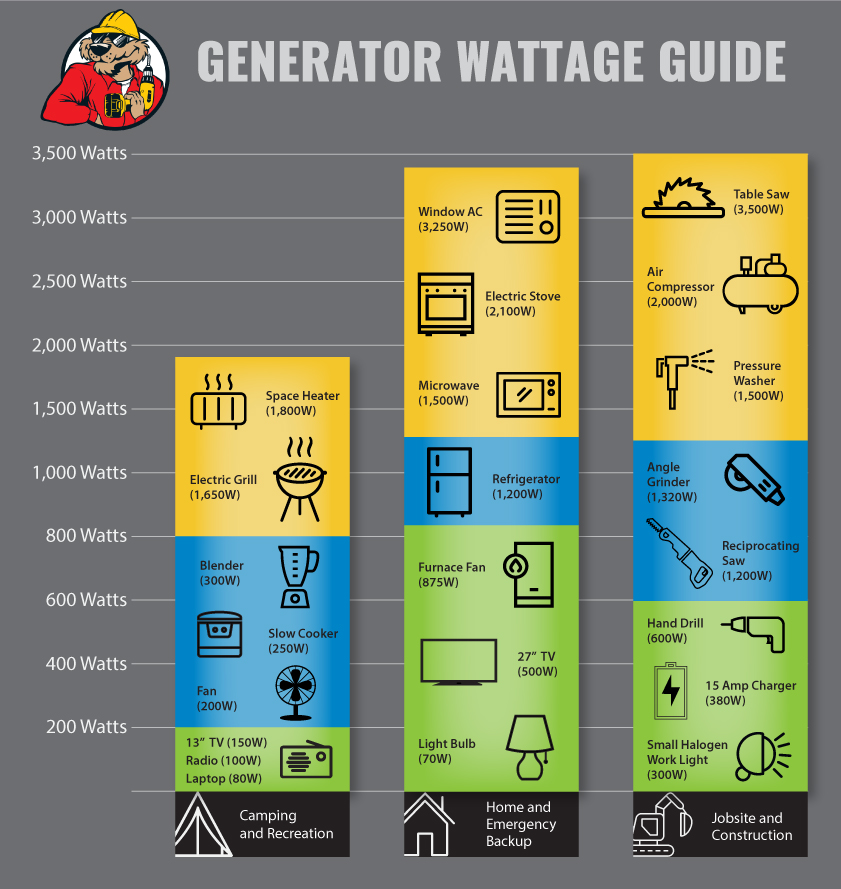
Now, the fun part – calculating! The easiest way is to check the appliance labels. Each appliance has a sticker, usually on the back or bottom, that lists its wattage. You'll see something like "120V, 60Hz, 800W." The "W" is what we're after!
Let's break it down with an example:

Add up the running watts of everything you need to run simultaneously during an outage. In this simple example, let's say you want to run the fridge, laptop, and five LED bulbs. That's 200W + 50W + (5 x 10W) = 300W.
Now, factor in the highest starting watt appliance. In our case, the fridge needs 1200W to start. So, your generator needs to be able to handle at least 1200 starting watts and 300 running watts. Always give yourself some headroom! It's better to have a generator that's a bit too powerful than one that's struggling to keep up.
Not Just Numbers: Real-Life Considerations
Okay, so you've done the math. High five! But before you run out and buy the first generator you see, let's consider a few more things:
- What's your definition of "run the house"? Do you need to power everything, or just the essentials? Think carefully about what you can live without. Is that fancy espresso machine really crucial during a blackout?
- Power tools: These are notorious for needing a lot of starting power. If you plan on using power tools during an outage, factor that in.
- Electronics: Sensitive electronics like computers and TVs appreciate clean power. Consider a generator with inverter technology for smoother, more stable electricity.
- Fuel: How long do you want to run the generator? Think about fuel availability and storage.
Generator Size Comparisons: From Hamster Wheel to Horsepower
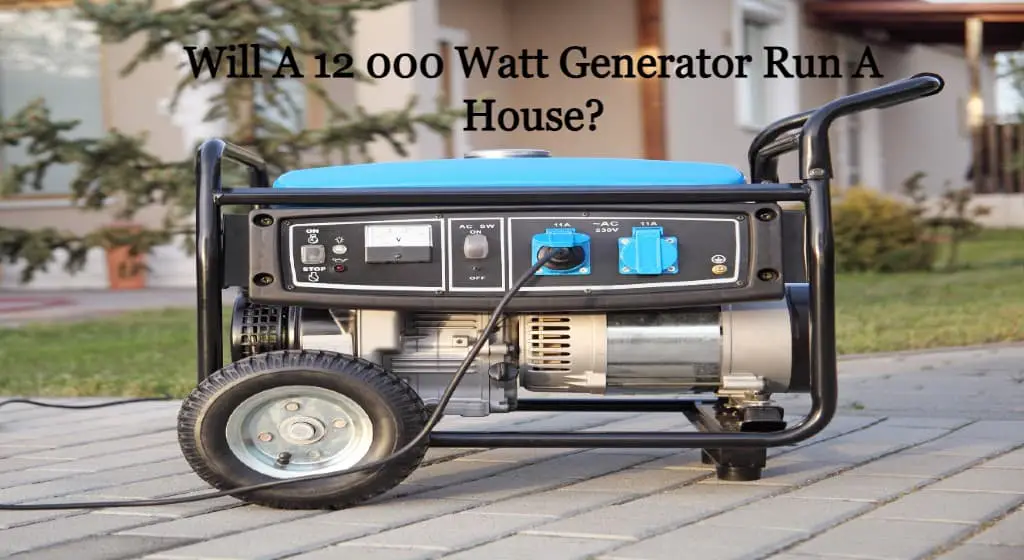
To give you a sense of scale, a small portable generator (think camping trips) might provide 1000-2000 watts. This is enough for some lights, charging devices, and maybe a small appliance. A whole-house generator, on the other hand, can deliver 5000-10,000+ watts, easily powering most of your home's essentials. It's like comparing a hamster wheel powering a toy car to a V8 engine powering a monster truck!
The Takeaway: Be Prepared, Not Scared
Choosing the right generator isn't rocket science, but it does require a little bit of planning and calculation. By understanding your wattage needs and considering your individual circumstances, you can find the perfect generator to keep your house running smoothly during the next power outage. So, go forth, calculate, and be prepared! The power is in your hands (literally!).