How Many Watts Does Stove Use

Have you ever paused mid-stir or while waiting for your oven to preheat and wondered, "How much electricity is this thing actually guzzling?" It might not be the most common dinner table conversation, but understanding how many watts your stove uses is actually incredibly useful! It’s like peeking behind the curtain of your kitchen appliances to get a better handle on your home's energy consumption. This isn't just for energy nerds; it's practical knowledge that can help you manage your electricity bill, plan for off-grid scenarios, or simply appreciate the powerful magic happening on your countertop.
So, why delve into the watts and volts of your humble cooker? Knowing these numbers empowers you! It helps you make smarter choices about appliance usage, understand what’s really driving up your electricity costs, and even informs decisions when buying new appliances or considering backup power solutions like generators. It's about being an informed homeowner, not just a casual user.
Let's get down to the nitty-gritty. The truth is, there isn't one single "stove wattage" number because stoves are a bit like multi-tasking chefs – they do many things at once, and each part uses different amounts of power. The type of stove also plays a huge role. We're primarily talking about electric stoves here, as gas stoves use very little electricity (mostly for igniters and clock displays).
Must Read
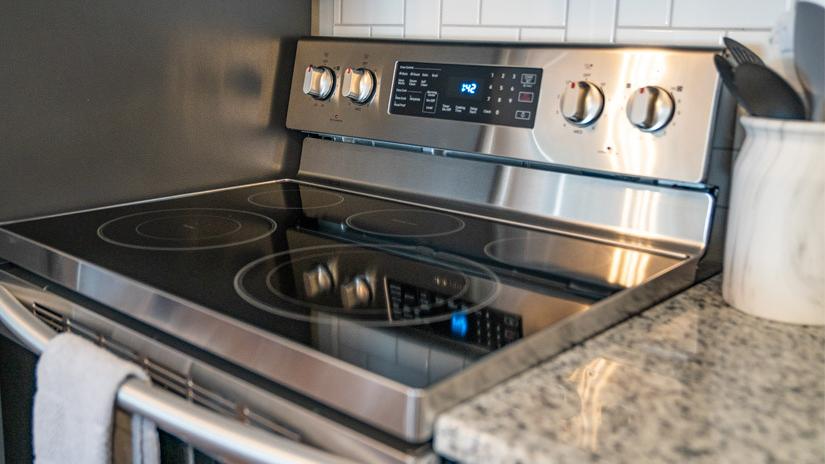
For a typical electric range (the kind with coil or smooth glass cooktops and an oven underneath), the power consumption varies significantly. Individual stovetop burners can range from about 1,000 watts for a small burner to a powerful 2,500-3,000 watts for a large "power boil" element. Think about it – a smaller pan needs less heat than a giant pot of pasta! The electric oven element itself is a real powerhouse, often drawing between 2,000 to 5,000 watts. Broil settings, which demand intense direct heat, will typically pull more power than a standard bake setting.
When you put it all together, if you were to turn on all four burners and the oven simultaneously (a rare but possible scenario during a big holiday meal!), an entire electric range could theoretically pull anywhere from 5,000 to 10,000 watts. That's a significant chunk of power! However, it's crucial to remember that your stove rarely runs at its absolute maximum. Most of the time, you're only using one or two burners, or just the oven cycling on and off to maintain a temperature.
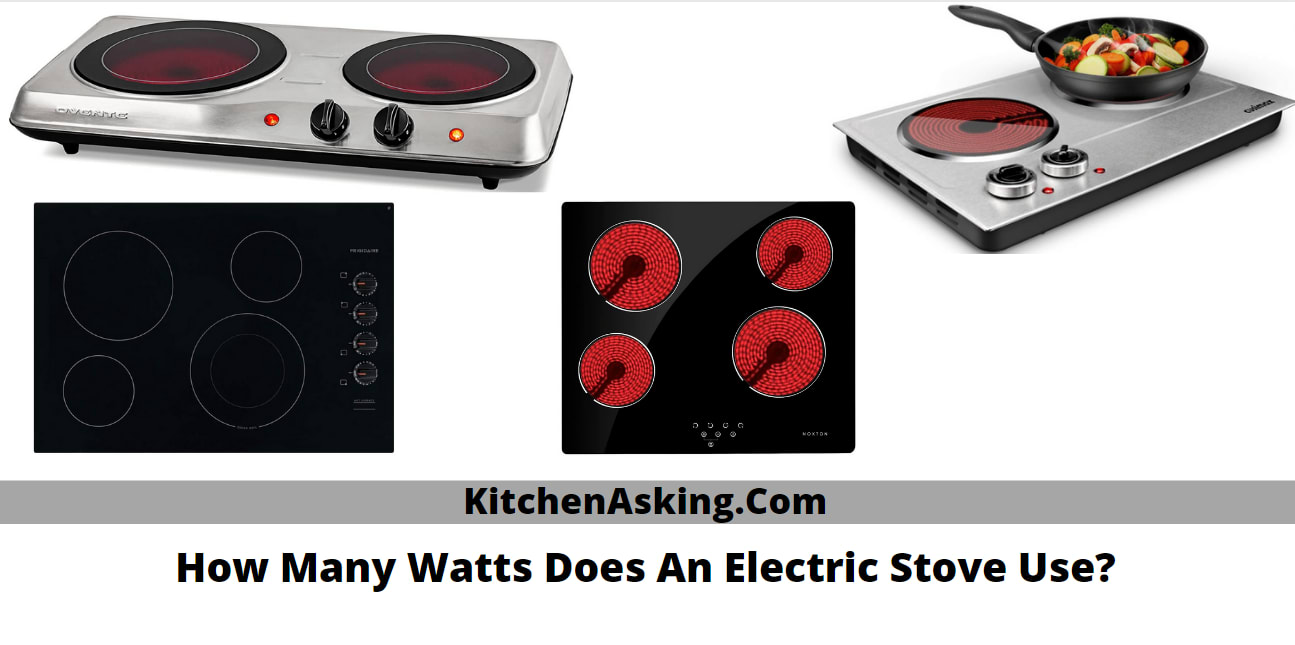
What about induction stoves? While they heat up much faster and are generally more energy-efficient due to direct heat transfer to the cookware, their peak wattage draw for individual burners can be similar to traditional electric cooktops, with ovens also consuming comparable power. The efficiency comes from how that power is used, not necessarily a lower peak draw. And for our gas stove friends, your electrical consumption is usually negligible, perhaps 100-200 watts for the electronic ignition and clock, making it very kind to your electricity bill!
Understanding these numbers helps you make informed choices. If you’re trying to shave a few dollars off your utility bill, using smaller burners for smaller pots, or preheating your oven only when necessary, can make a difference. It’s all about becoming a more mindful and energy-savvy cook. So next time you fire up the stove, you'll know exactly what kind of power you're wielding!