
How Many Watts Does Lights Use

Ever flicked a light switch and wondered what magic is happening behind the scenes? Or perhaps, how much it’s adding to your monthly electricity bill?
It’s a simple act, turning on a light. But there’s a fascinating world of energy consumption hiding in plain sight.
Understanding this can be surprisingly fun. It’s like uncovering a secret superpower for your home and wallet!
Must Read
What Exactly Are Watts, Anyway?
Think of watts as the "appetite" of your light bulb. It's a measure of how much electrical power it uses.
A higher watt number means more energy is being munched. A lower watt number means your light is just gently sipping power.
It’s the key to knowing if your lights are energy hogs or energy heroes.
The Good Old Days: Incandescent Bulbs
Remember those classic, globe-shaped light bulbs? The ones that felt warm to the touch?
Those were incandescent bulbs. They were the standard for over a century, providing light with a cozy glow.
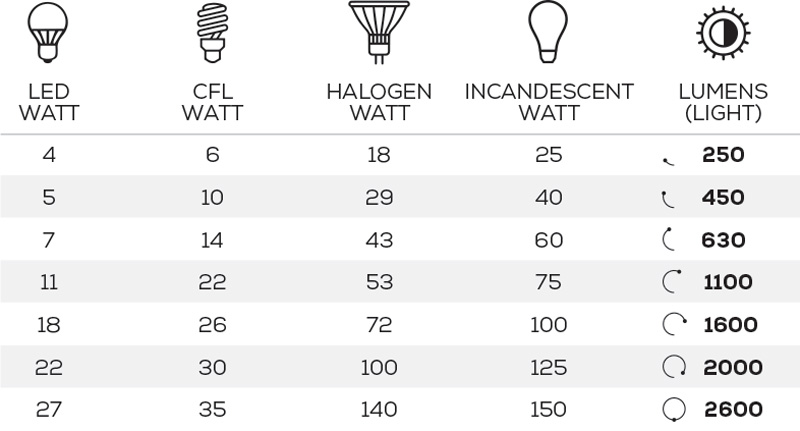
But they had a hearty appetite. A typical incandescent bulb might use 60 watts to give off a decent amount of light.
They produced a lot of heat, too. That heat was wasted energy, not contributing to illumination.
So, a good chunk of electricity wasn't even making light. It was just warming up your room, often unnecessarily.
Having several of these burning for hours really added up. Your electricity meter spun like a tiny Ferris wheel!
It’s interesting to look back and see how far we’ve come. Those old bulbs were simple workhorses, but oh so hungry.
Enter the Modern Marvels: LED Lights
Now, let's talk about the rock stars of lighting: LEDs. These little wonders have completely changed the game.
LED stands for Light-Emitting Diode. They don't have a filament like old bulbs; they create light in a much cooler way.
And when we say "cooler," we mean it literally. LEDs produce very little heat compared to their ancestors.
This means almost all the energy they consume goes directly into making light, not wasted warmth.
Here’s where it gets truly amazing: an LED bulb can produce the same amount of brightness as a 60-watt incandescent.
But guess how many watts it uses? Often just 8 to 12 watts!
That’s a huge difference, almost cutting the energy use by 80% or more. It’s like getting the same snack but paying a fraction of the price.
Switching to LEDs is one of the easiest ways to be a smart energy detective at home. You can visibly see the savings.
It's not just about watts; LEDs also last an incredibly long time. Many can shine for 20 years or even more.
Imagine rarely having to change a light bulb! That's another hidden bonus beyond the energy savings.
Lumens: The New Brightness Star
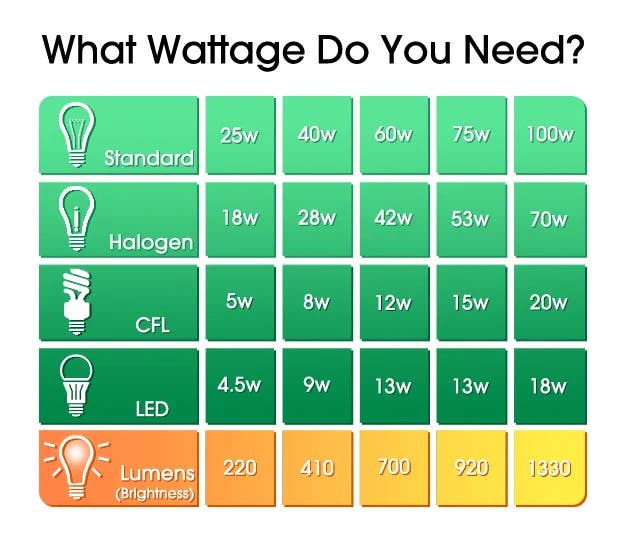
With LEDs, watts aren't the best way to judge brightness anymore. Now, we talk about lumens.
Lumens tell you exactly how much light a bulb puts out. The higher the lumens, the brighter the light will appear.
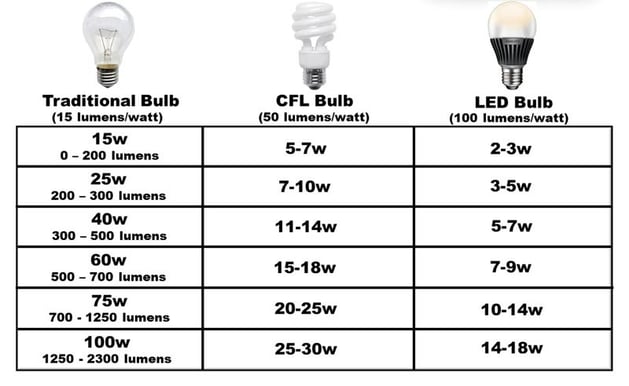
So, when you're buying new lights, look for the lumens to match your brightness needs. Then check the watts to know its energy appetite.
For example, you might want a bulb that gives off 800 lumens (like a traditional 60W incandescent).
An LED giving 800 lumens will use far fewer watts. It's a super efficient way to brighten your space.
This little detail makes light shopping much more transparent. You know exactly what you're getting in terms of light and energy use.
Beyond the Bulb: Other Light Users
It's not just your ceiling lights that consume watts. Think about lamps, decorative lights, and even your holiday decorations.
Older string lights, especially the incandescent kind, can use a surprising amount of power. They often run for many hours.
Modern LED holiday lights, on the other hand, are incredibly efficient. You can light up your entire house for just pennies a day.
Even your fancy kitchen under-cabinet lighting or subtle pathway lights have a wattage.
Many newer fixtures come with integrated LEDs. This means the bulbs are built right in and are designed for peak efficiency.
It’s fun to peek at the labels on your less obvious lights. You might find some surprising energy facts.
Smart Lights and Dimmers
The world of lighting keeps getting more exciting. Smart lights let you control brightness and even color from your phone.
When you dim a smart light, you're not just changing the mood. You're also reducing its wattage consumption even further.
Dimmers on traditional switches do the same for dimmable bulbs. They literally cut down the power going to the light.
This flexibility allows you to fine-tune both your ambiance and your energy use. It's about having total control.
You can set scenes for different times of day, making your lighting both beautiful and economical.
It feels a bit like having a remote control for your entire home's energy footprint. Pretty neat, right?
Why Does This All Matter?
Understanding light watts isn't just for tech gurus. It directly impacts your electricity bill every month.
Swapping out old, high-wattage bulbs for new, low-wattage LEDs can lead to noticeable savings.

Imagine if every light in your home was sipping power instead of guzzling it. Those small changes add up fast.
It’s also great for the environment. Less energy used means less strain on power plants.
It’s a simple way to make a difference without even thinking about it once they’re installed. Set it and forget it!
Plus, better lighting can genuinely improve your living space. The right brightness and color temperature make a huge difference.
So, being aware of watts helps you create a more efficient, comfortable, and budget-friendly home.
Your Own Light Detective Mission
Feeling curious now? Why not become a light detective in your own home?
The next time you’re near a lamp or fixture, take a peek at the bulb. Can you find the wattage listed?
Look at the packaging of new bulbs you buy. You'll see both the lumens for brightness and the watts for energy use.
You might be surprised by what you discover. Perhaps an old bulb in a forgotten corner is a secret energy hog.
This small bit of knowledge empowers you to make smarter choices for your home. It’s like gaining a new pair of eyes!
So go ahead, explore your lights. The world of watts is waiting to be uncovered, one little bulb at a time.