
How Many Watts Does It Take To Power A House
Ever wondered how much oomph it takes to keep your cozy castle humming? We're talking electricity, folks! It’s measured in watts, and figuring out how many you need is like playing detective with your appliances. Let's dive in!
The Watt's Up Rundown: A Home's Electrical Appetite
Think of watts like the tiny food pellets that power your gadgets. A little LED light bulb might sip a mere 5 watts, while your energy-guzzling hair dryer devours 1500! So, how many of these little "pellets" does your entire house need?
The Average Joe's Energy Needs
The average American home slurps down around 30 kilowatt-hours (kWh) of electricity per day. That translates to roughly 1.25 kilowatts (kW) running consistently. But hold on, that's an average! Your mileage may vary wildly.
Must Read
Imagine your home as a hungry monster. Some monsters are dainty eaters, nibbling on kale and quinoa (efficient appliances!). Others are ravenous beasts, demanding double cheeseburgers and milkshakes (old refrigerators and incandescent bulbs!).
Appliance Wattage: Meet the Usual Suspects
Let's meet the players in this electrical drama. We've got the fridge, the TV, the oven, the washing machine… each with its own wattage appetite. Understanding these individual demands is key.
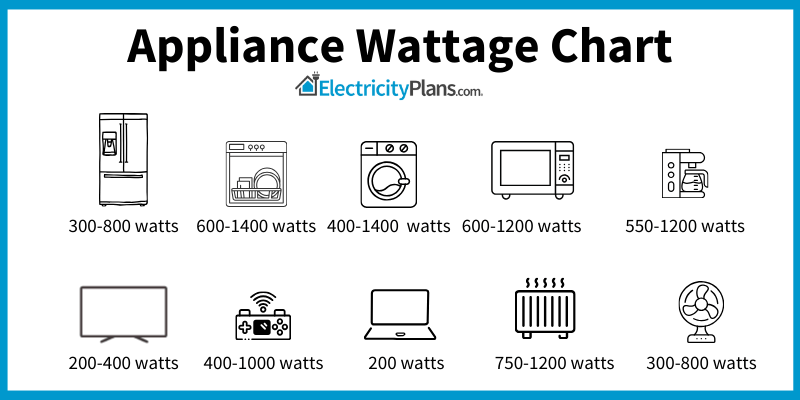
Your refrigerator is a constant, humming presence, usually needing around 100-400 watts. Your microwave, on the other hand, is a power-hungry beast, sucking up 600-1200 watts when in use. Don’t forget your trusty laptop, a modest consumer at 50-100 watts.
Lighting can range from a few watts for an LED to 60+ for an old-school incandescent bulb. And air conditioning? Buckle up! Central AC can easily demand 3000-5000 watts to keep you cool.
Calculating Your Home's Wattage: A Simple Detective Game
Ready to put on your detective hat? It’s time to do a little electrical sleuthing. The goal is to estimate your peak wattage – the highest amount of power you’re likely to use at any given moment.
First, grab a notepad and pen (or your favorite note-taking app). Now, walk through each room and make a list of all the electrical devices you use. Note down the wattage of each appliance, usually found on a sticker on the back or bottom.
Add up the wattage of all the devices you might use simultaneously. Imagine a typical evening: lights on, TV playing, maybe the oven preheating, and someone using a hair dryer. That's your peak demand!
Real-World Examples: From Tiny Homes to McMansions
A tiny home with minimal appliances might only need a few hundred watts. A sprawling mansion with multiple refrigerators, a home theater, and a pool heater? We’re talking potentially tens of thousands of watts!
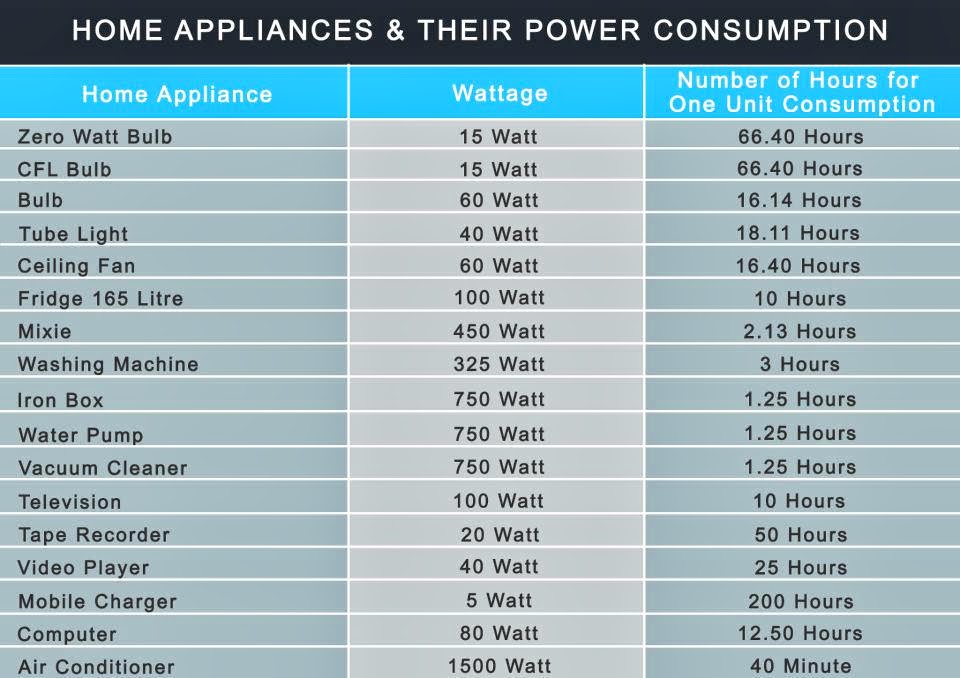
Consider a small apartment. You might have a refrigerator (150 watts), a TV (100 watts), a few lights (50 watts), and a laptop (50 watts). That's a total of 350 watts, a relatively small electrical footprint.
Now, picture a larger house with central air conditioning (3500 watts), an electric oven (2000 watts), a washing machine (500 watts), a dryer (3000 watts), and various other appliances. Suddenly, you're easily pushing 10,000 watts or more!
The Wattage Wish List: Factors That Influence Your Needs
Several factors play a role in your home's wattage demands. Let’s explore a few of the biggest contenders.
The size of your home is a major factor. A larger home requires more lighting, heating, and cooling, all of which consume electricity. Your lifestyle also matters. Do you work from home, running multiple computers and monitors? Or are you a minimalist, only using essential appliances?
The age and efficiency of your appliances are crucial. Old appliances tend to be energy hogs, while newer, Energy Star-certified models are much more efficient. Even your climate plays a part. Hotter climates require more air conditioning, while colder climates demand more heating.

Saving Watts: Become an Energy Efficiency Superhero
Want to shrink your electrical bill and save the planet? Then it's time to become an energy efficiency superhero! Luckily, there are plenty of ways to cut down on your wattage consumption.
Switch to LED lighting! LEDs use a fraction of the energy of incandescent bulbs and last much longer. Unplug phantom loads! Many devices continue to draw power even when turned off.
Upgrade to Energy Star appliances! These appliances are designed to use less energy than standard models. Use smart power strips! These strips automatically shut off power to devices that aren't in use.
Beyond the Basics: Considerations for Solar and Generators
Thinking about going solar or investing in a generator? Then understanding your home's wattage needs is even more crucial. It determines the size of the system you'll need.
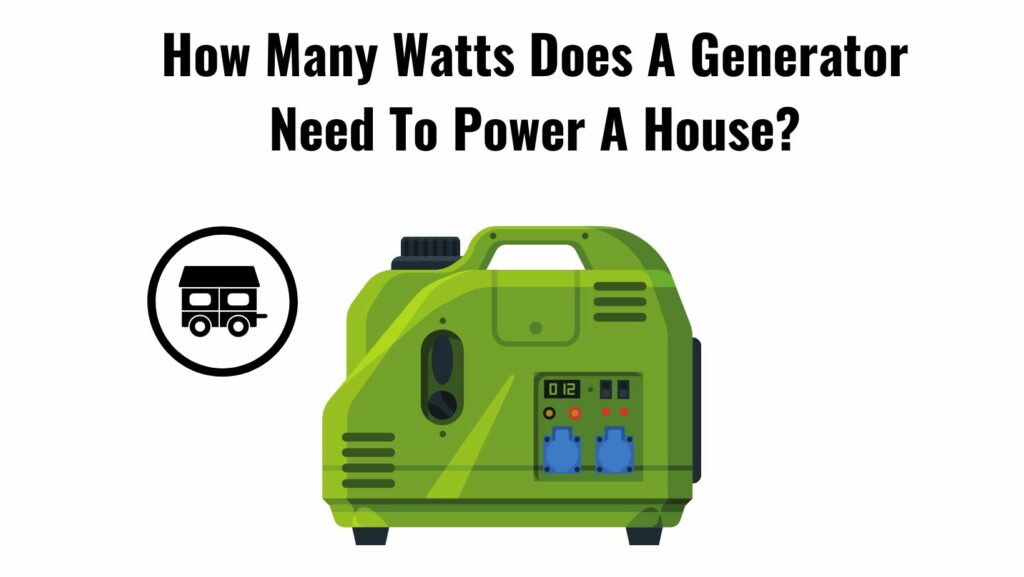
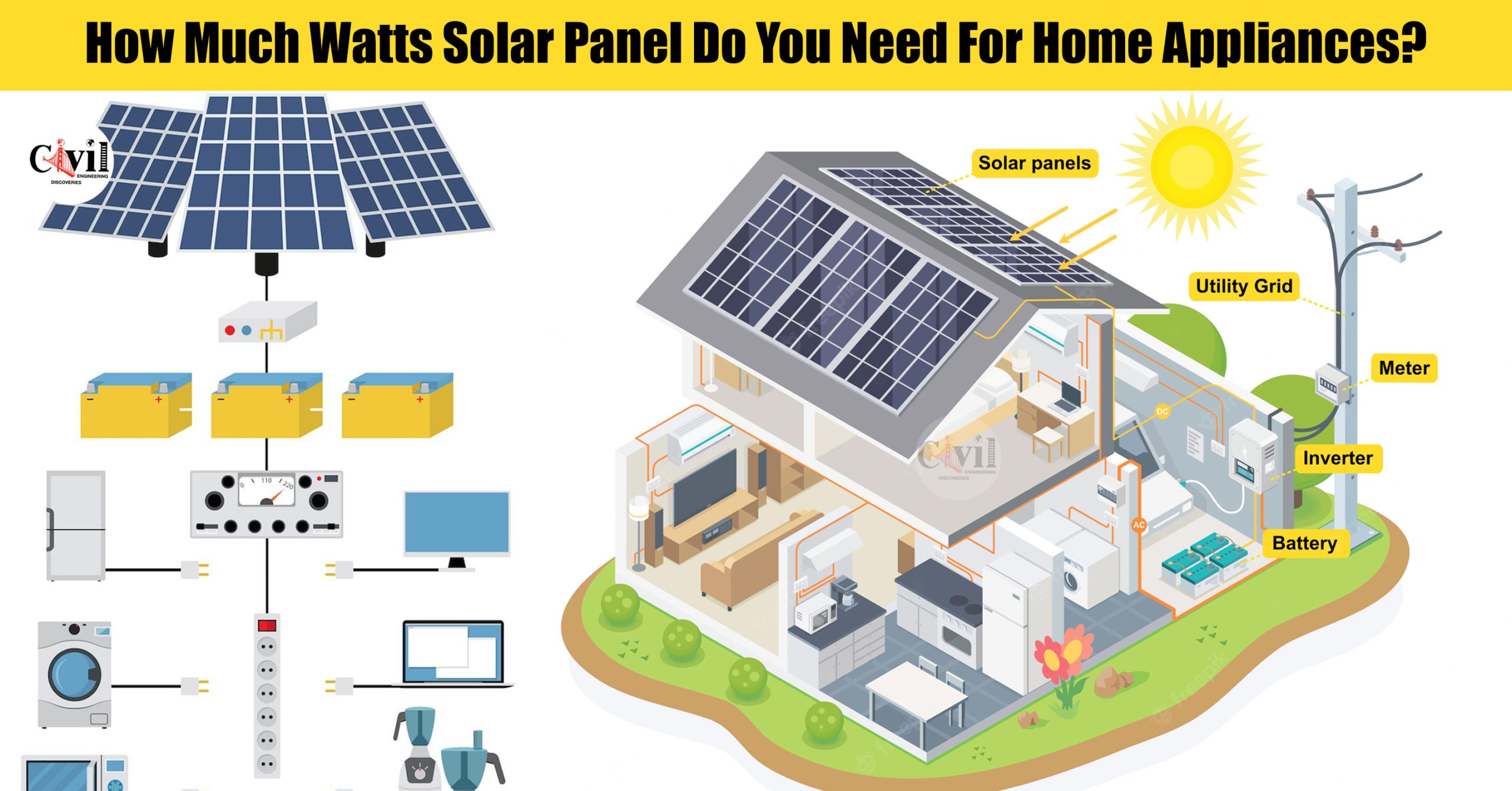
For solar panels, you'll need to calculate your average daily energy consumption and choose a system that can generate enough power to meet your needs. For generators, you'll need to determine your peak wattage to ensure the generator can handle your home's electrical load during a power outage.
Installing solar panels can significantly reduce your reliance on the grid. Investing in a backup generator can provide peace of mind during storms and outages.
Watt's the Bottom Line? Knowledge is Power!
So, how many watts does it take to power a house? The answer, as you've seen, is "it depends!" But by understanding your appliances' wattage, your lifestyle, and your energy habits, you can get a good estimate.
Knowing your wattage helps you make informed decisions about energy efficiency, solar panels, and generators. Plus, it’s just plain fun to understand how your home hums along!
Empower yourself with knowledge, conserve energy, and enjoy the feeling of being an electrical wizard! Happy wattage hunting!