
How Many Watts Does Dryer Use
Alright, grab your favorite mug, because we're about to chat about something that sneakily eats into our energy bills: the dryer! Ever stood there, staring at your clothes tumbling, and thought, "Geez, how much juice is this thing actually sucking?"
Yeah, me too. It's like a secret energy vampire, right? You just want those jeans dry, but at what cost?! Let's pull back the curtain on this household mystery: how many watts does a dryer use?
The Big, "It Depends" Answer (Sorry!)
Okay, deep breaths. Before we dive into numbers, let me hit you with the classic, slightly annoying truth: it totally depends! It's kinda like asking "how long is a piece of string?" or "how much coffee can one person drink on a Tuesday?" (A lot, usually). But don't worry, we're gonna break it down.
Must Read
The main culprits influencing your dryer's power hunger are:
- Is it electric or gas? Big difference right there.
- How old is it? Newer models are often way more efficient.
- What cycle are you running? Delicate vs. super-hot heavy duty.
- How damp are your clothes to begin with? Wringing wet or just a little moist?
See? Loads of variables! But let's talk generalities, because that's what we're here for, right?
Electric Dryers: The Power Hogs of the Laundry Room
When we talk about raw wattage, electric dryers are the champions... or perhaps, the heavy lifters. These babies need a serious kick to generate all that lovely heat that fluffs up your towels. Think about it: they're basically giant hair dryers for your clothes!
Most electric dryers run on a 240-volt circuit (unlike your regular outlets that are 120V – that's why they have a special, bigger plug!). This higher voltage allows them to draw a lot of power quickly.
So, the numbers? An average electric dryer will usually hover somewhere between 3,000 to 6,000 watts per hour. Yep, you read that right. Three to six thousand watts! Phew!
Let's do a quick, mental math check. If your dryer is a 5,000-watt beast and you run it for, say, an hour (which is pretty standard for a full load), that's 5 kWh (kilowatt-hours) of electricity. And if you're doing, like, five loads a week? Well, that adds up fast, doesn't it? Suddenly that electric bill makes a bit more sense. Gah!
Gas Dryers: Still Use Juice, But Less!
Now, if you've got a gas dryer, you might be feeling a smug little sense of relief. And you should! Gas dryers primarily use natural gas (or propane) to create the heat. This is generally cheaper than electric heat in many areas.
But wait! Before you start doing a victory dance, remember they're not entirely free of electricity use. Oh no, no, no. They still need power for a few things:
- The motor that tumbles your clothes.
- The fan that blows the hot air around.
- The lights and electronic controls.
- And that little igniter that starts the gas flame.
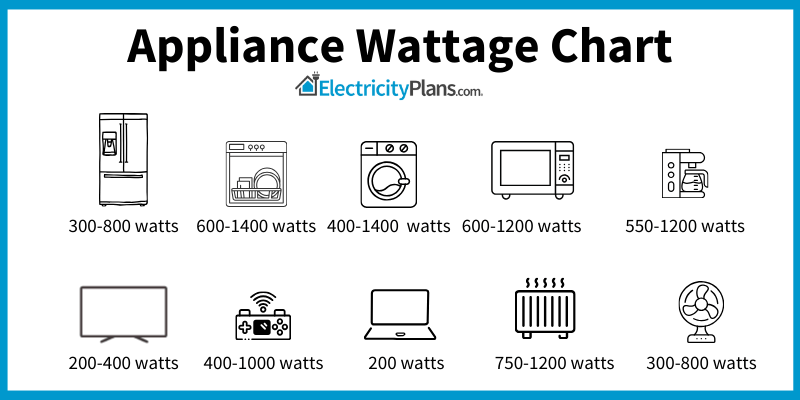
So, while they're not nearly the energy guzzlers of their electric cousins, they still draw some watts. Typically, a gas dryer will use a much more modest range of 100 to 500 watts per hour. See? A massive difference!
It's like comparing a full-on rock concert to a quiet acoustic set. Both use electricity, but one is clearly cranking it up a notch!
Why Should We Even Care, Beyond the Bill?
Okay, so your wallet feels the pinch. That's a no-brainer. But thinking about your dryer's wattage is also a little nod to being more energy-conscious. Less energy used means less strain on power grids and, ultimately, a slightly smaller carbon footprint. Every little bit helps, right?
Plus, knowing these numbers can help you make a more informed decision if you're ever in the market for a new dryer. Those Energy Star ratings? They actually mean something!
Easy-Peasy Tips to Tame Your Dryer's Thirst!
Ready to fight back against the energy vampire? Here are some super simple, friend-to-friend tips to reduce your dryer's wattage consumption (and save some dough!):
1. Clean That Lint Trap! Seriously, do it every single time. A clogged lint trap makes your dryer work harder, less efficiently, and is even a fire hazard. It's like trying to breathe through a really stuffy nose!
2. Spin Cycle Champion: Make sure your washing machine is doing its absolute best spin cycle. The more water your washer can wring out, the less work your dryer has to do. Easy peasy!
3. Don't Overload or Underload: A dryer packed too full can't tumble effectively, meaning clothes take longer to dry. An almost-empty dryer is just a waste of energy. Find that sweet spot!
4. Dry Similar Fabrics Together: Separate your heavy jeans from your light t-shirts. That way, everything dries more evenly, and you don't over-dry the delicate stuff while waiting for the thick items.
5. Embrace Dryer Balls: Those spiky rubber or wool balls? They help separate clothes, allowing hot air to circulate better, and can cut down drying time by a surprising amount. Plus, they reduce static cling!
6. Air Dry When You Can: The ultimate energy saver! Hang clothes on a line outside or a drying rack indoors. Your grandmother was onto something!
7. Check Your Vents: Every few months, pull your dryer out and check the vent hose. If it's crushed, kinked, or clogged with lint (yuck!), your dryer can't breathe. This makes it super inefficient and dangerous.
So, there you have it! Your dryer, whether electric or gas, is a hardworking appliance. Knowing a little bit about its wattage use can empower you to make smarter choices for your wallet and the planet. Now, go forth and dry your clothes wisely!