How Many Watts Does A Window Air Conditioner Use

Hey there, friend! So you're wondering about window air conditioners and their thirst for electricity, huh? You're basically asking, "How many watts does this thing gobble up?" Well, you've come to the right place! Let's dive into the wonderful (and sometimes confusing) world of air conditioner wattage. Don't worry, we'll keep it breezy… like a well-cooled room on a sweltering day. Ahhh, bliss.
First things first: There's no single, magic number. Imagine asking how much a car costs – a beat-up jalopy is gonna be way different than a shiny sports car! Same deal here. The wattage depends on a bunch of things, primarily the size and BTU rating of your AC unit. What's BTU, you ask? Think of it as the cooling power of your AC. More BTUs, more cooling, and (you guessed it) more watts.
The BTU-Wattage Connection: Decoding the Numbers
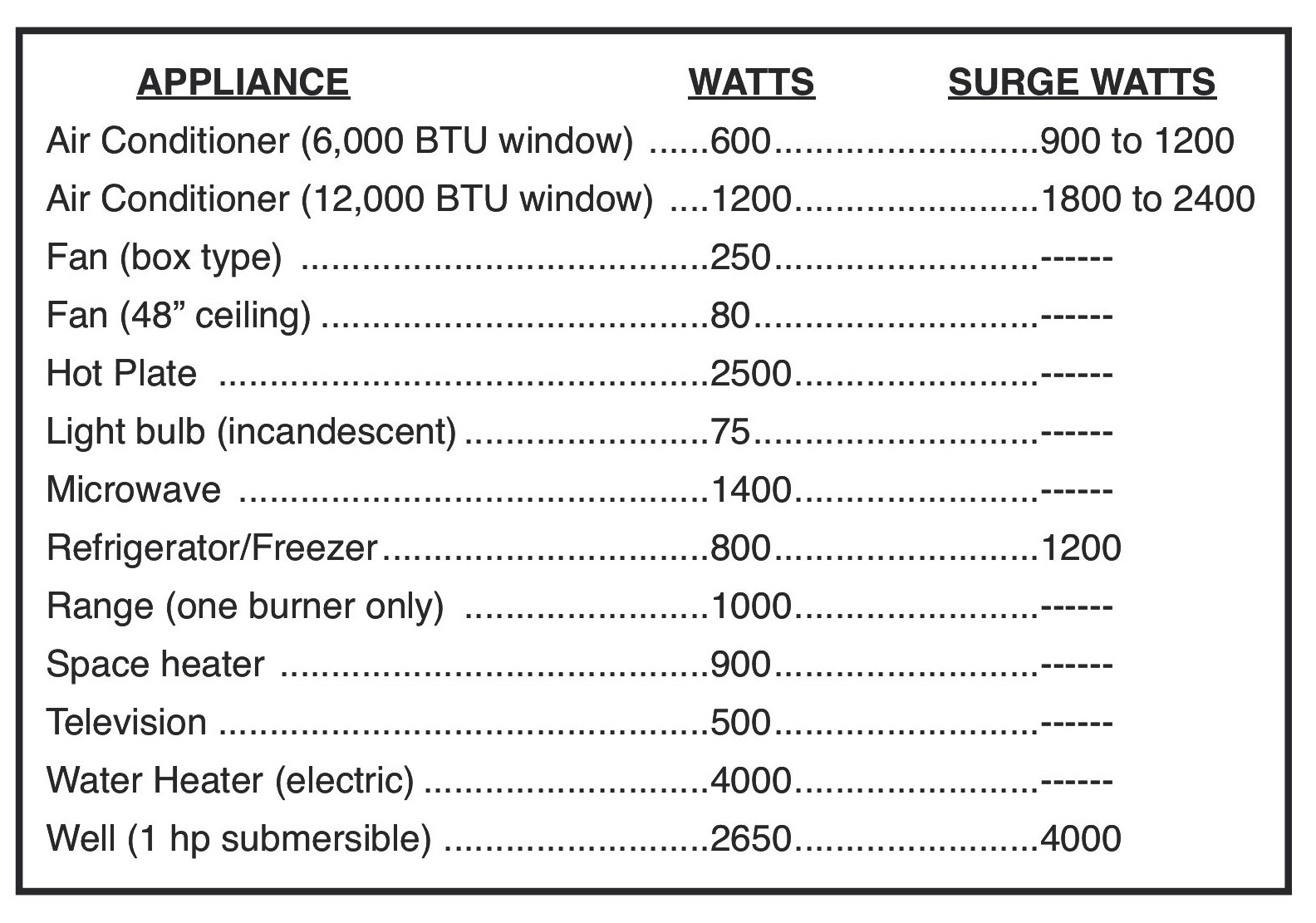
Okay, let's get a little technical, but I promise, it won't hurt! As a general rule, you can expect a window air conditioner to use somewhere between 500 and 1500 watts. That's a pretty wide range, right? That's why the BTU rating is your friend.
Must Read
Think of it like this: for every 1,000 BTUs of cooling power, your AC unit will likely use around 100 watts. So, a 5,000 BTU air conditioner might use about 500 watts, while a 15,000 BTU beast could be closer to 1500 watts. Simple(ish), right? (Note: This is an approximation, always check the manufacturer's label for the exact wattage! They know their ACs best.)
Pro Tip: The BTU rating you need depends on the size of your room. Too small, and you'll be wasting energy. Too big, and you'll be chilly without dehumidifying properly. There are online calculators to help you figure out the right BTU rating for your space. Google is your friend!
Beyond the BTU: Other Wattage Culprits
The BTU rating is a biggie, but it's not the only factor. Here are a few other things that can influence how many watts your AC unit is sucking down:
- Efficiency (EER/SEER): This is like the gas mileage of your AC. A higher EER (Energy Efficiency Ratio) or SEER (Seasonal Energy Efficiency Ratio) means it's more efficient and uses less energy to cool the same amount. Look for the Energy Star label! Saving money is always a good thing.
- Fan Speed: Running your AC on high fan speed will, unsurprisingly, use more watts than running it on low. Sometimes low is all you need, partner.
- Age of the Unit: Older AC units tend to be less efficient than newer models. Technology marches on, and so does energy efficiency! Consider upgrading if your old unit is a real energy hog.
- Maintenance: A dirty air filter forces your AC to work harder, using more energy. Clean or replace your filter regularly! Your AC (and your wallet) will thank you.
Wattage Worries: Why Does It Matter?
Okay, so you know how many watts your AC uses. But why should you even care? Well, a few reasons:
- Your Electricity Bill: More watts equals more money flying out of your bank account. Understanding your AC's wattage helps you estimate how much it's costing you to stay cool.
- Circuit Breakers: You don't want to overload your circuits and trip a breaker! Knowing the wattage helps you make sure you're not running too many appliances on the same circuit at the same time. Nobody wants a sudden blackout in the middle of a movie!
- Generator Size: If you're planning on running your AC on a generator, you need to make sure the generator can handle the wattage. Otherwise, you'll be sweating it out… literally.
Quick Math Break! To figure out how much your AC is costing you to run, multiply the wattage by the number of hours you use it per day, divide by 1000 (to get kilowatts), and then multiply by the cost per kilowatt-hour from your electricity bill. Voila! You're now a wattage wizard!
Staying Cool, Calm, and Collected (Without Breaking the Bank)
So, there you have it! Everything you ever wanted to know (and probably more) about window air conditioner wattage. The key takeaway? Check the manufacturer's label, consider the BTU rating, and be mindful of energy efficiency. Small changes like regular maintenance and using the low fan speed can really add up over time.
Now go forth, armed with your newfound wattage wisdom, and conquer the heat! Remember, staying cool doesn't have to cost a fortune. With a little planning and a little effort, you can keep your home comfortable and your wallet happy. You got this! And if all else fails, there's always ice cream. Because let's be honest, sometimes ice cream is the best air conditioner of all.