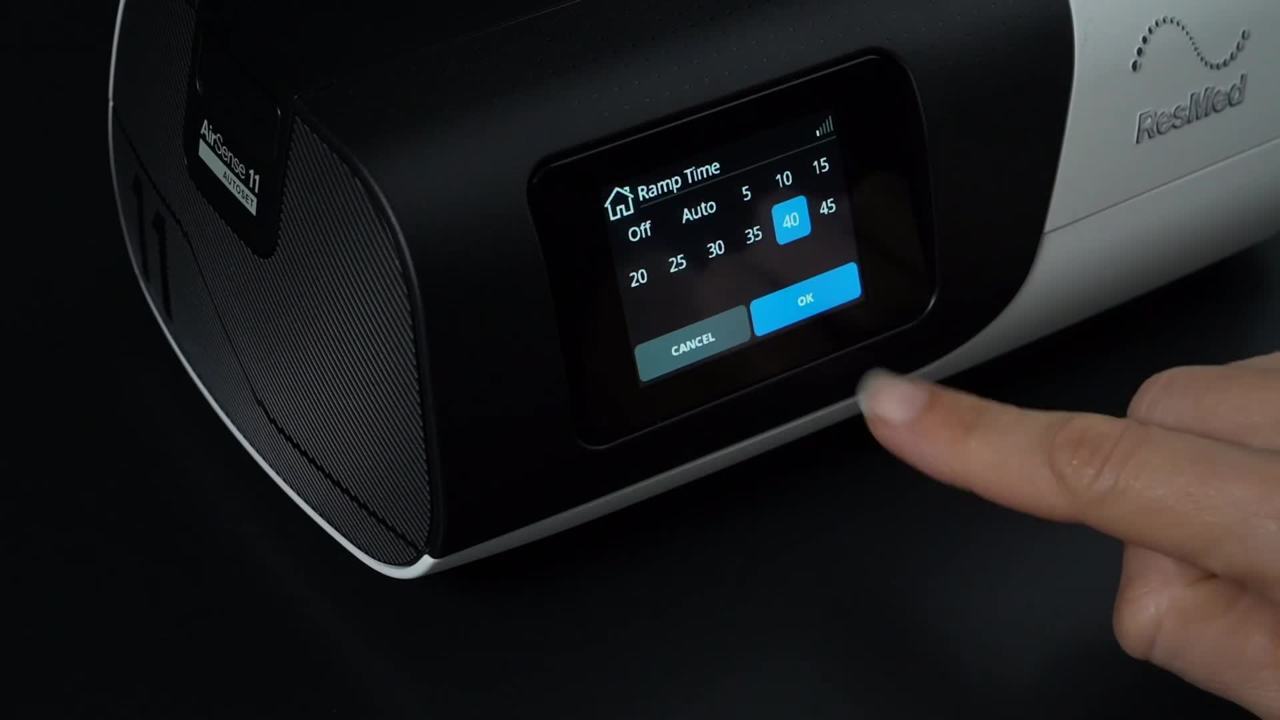
How Many Watts Does A Resmed Airsense 11 Use
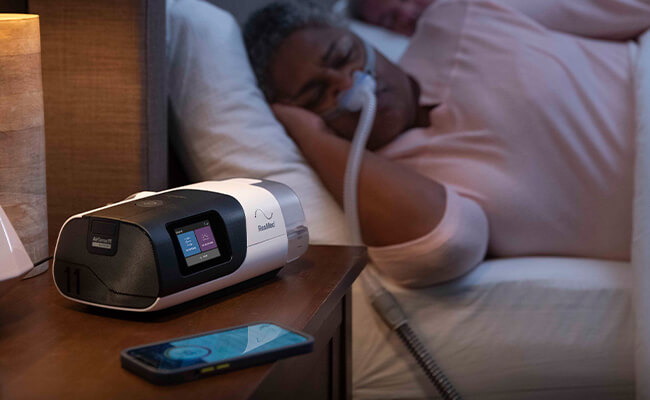
Okay, so picture this: I'm camping, right? Stars are out, marshmallows are roasting, the whole nine yards. But… I need my CPAP. I mean, a girl's gotta breathe, and snoring isn't exactly conducive to a peaceful campsite vibe (trust me, my tent-mates would agree). So, the big question looming over my s'mores-induced bliss? How much juice is this ResMed AirSense 11 actually going to suck out of my battery bank?
That got me thinking... We often obsess over the bells and whistles of our CPAP machines – the pressure settings, the heated humidifiers, the fancy masks – but we rarely stop to consider the nitty-gritty: power consumption. Let’s be real, energy efficiency matters, especially if you’re planning on running your AirSense 11 off-grid or simply trying to keep your electricity bill from skyrocketing. And trust me, understanding this stuff is way easier than deciphering my insurance statements. (Seriously, those things are written in ancient hieroglyphics).
The Watts Up, Doc? (ResMed AirSense 11 Power Consumption)
Alright, let's dive into the numbers. The ResMed AirSense 11, like most modern CPAP machines, is surprisingly efficient. Typically, it draws around 20 to 60 watts while running.
Must Read
"Wait, that’s a big range!" You're right, eagle eyes! The exact wattage varies based on several factors, including:
- Humidifier usage: The humidifier is the biggest power hog. Crank that bad boy up to level 8, and you'll see your wattage jump significantly.
- Heated tube: Similarly, a heated tube keeps your air nice and toasty (preventing rainout – that annoying condensation in the tube), but it also adds to the power draw.
- Pressure settings: Higher pressure settings require the machine to work harder, using more electricity.
- Altitude: At higher altitudes, the machine may need to compensate, potentially using more power.
So, let’s say you’re using the humidifier on a medium setting and the heated tube is on. You’re probably looking at something closer to the 40-60 watt range. Without those extras, you can expect to be closer to that 20-watt mark.
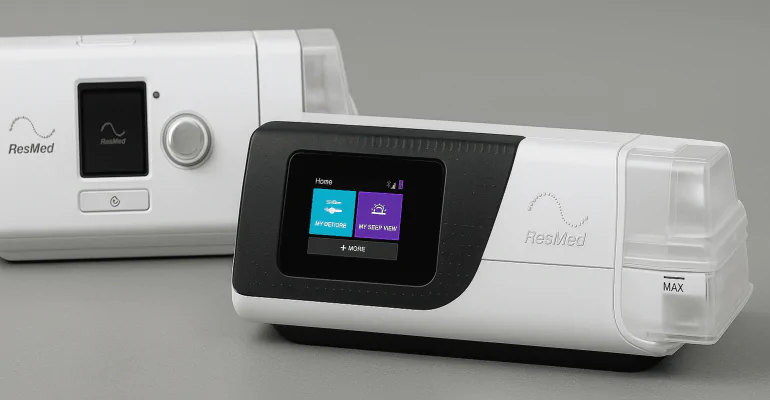
Why Does This Even Matter?
Good question! Knowing your AirSense 11's wattage consumption is crucial for a few key reasons:
- Backup Power Planning: If you're prone to power outages or enjoy camping, you need to know how long your battery bank or generator will keep your CPAP running. Calculating wattage helps you choose the right size power source. (Trust me, running out of juice mid-sleep is not a good time.)
- Travel: Flying internationally? Knowing the wattage and voltage requirements ensures your machine will work safely and effectively in different countries.
- Energy Efficiency: Consciously managing your humidifier and heated tube settings can save you money on your electricity bill. Small changes can add up over time.
Calculating Your Power Needs: A Super Simple Guide
Okay, so you know the wattage. Now what? Let's say your AirSense 11 uses an average of 40 watts per hour. If you sleep for 8 hours, that's 40 watts x 8 hours = 320 watt-hours.

To figure out the size of battery you need, you also need to consider the voltage (typically 12V for portable power stations) and the battery's amp-hour (Ah) rating. A 100Ah 12V battery, for example, provides approximately 1200 watt-hours (12V x 100Ah). (Remember to factor in the battery's discharge rate – most batteries shouldn't be fully discharged to prolong their lifespan.)
Therefore, that 1200 watt-hour battery should give you roughly 3 nights of CPAP use, theoretically. But always test it out at home before you rely on it in the wilderness.

The Bottom Line
The ResMed AirSense 11 is a relatively energy-efficient CPAP machine. By understanding its power consumption and factoring in your individual usage habits, you can confidently plan for backup power, travel smarter, and even save a little money on your electricity bill. So, go forth, breathe easy, and power on!
And as always, consult your AirSense 11's user manual for the most accurate and up-to-date information about its power specifications. (Don't just rely on some random blog post, even if it is wonderfully written… ahem.)