How Many Watts Does A Home Air Conditioner Use

Hey there, cool cats and kittens! Ever wondered how much juice your trusty air conditioner is slurping down while keeping you comfy as a cucumber? You know, that big question lurking in the back of your mind as you crank up the AC on a scorcher? Well, let's dive into the watt-age wonderland of home air conditioners! It's not as scary as it sounds, promise. Think of it as unlocking a secret superpower – the power to understand your energy bill!
Watts Up With Watts? A Beginner's Guide
First things first, let's talk watts. A watt is simply a unit of power. Think of it like the speed at which your AC is using electricity. More watts = more power consumption, and well, probably a bigger bill. But knowledge is power! Understanding how many watts your AC unit uses can help you make smarter decisions about energy usage, saving you money and even helping the planet a little. Win-win, right?
So, how many watts are we talking about? Well, that's the million-dollar question, isn't it? (Okay, maybe not a million dollars, but definitely a few bucks off your electricity bill!). The answer, like most things in life, is "it depends."
Must Read
The AC Wattage Breakdown: Size Matters!
Several factors influence the wattage of your AC unit. The biggest one? Size, baby, size!
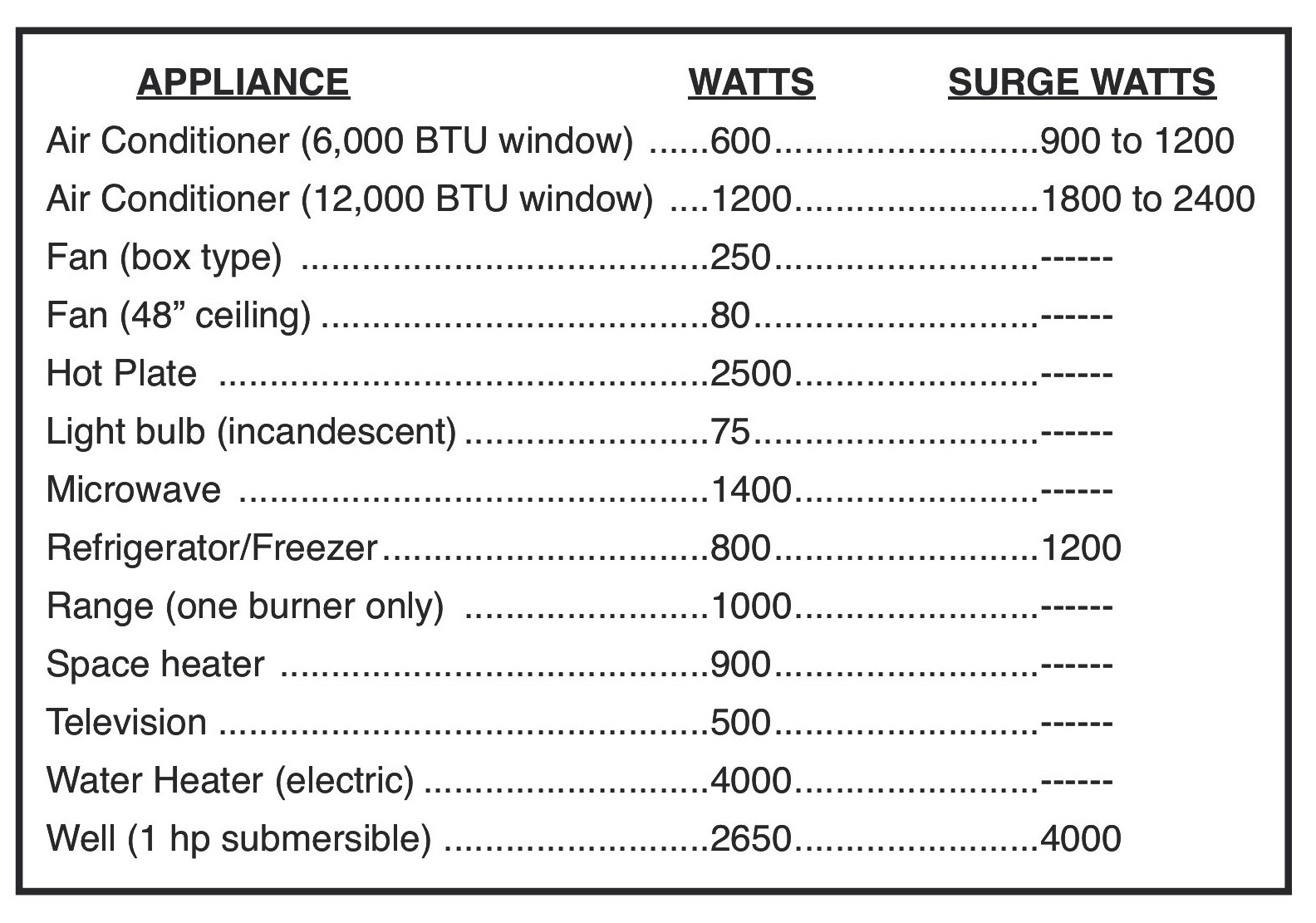
- Window AC Units: These little champs are perfect for cooling a single room. They typically guzzle somewhere between 500 and 1500 watts. Not bad at all!
- Portable AC Units: A bit more powerful than window units, portable ACs usually consume between 800 and 2000 watts. They're great for flexibility!
- Central AC Systems: The big kahunas! These are the workhorses that cool your entire house. Expect them to draw anywhere from 3000 to a whopping 5000+ watts. Whew!
Think of it like this: a small window unit is like sipping a lemonade, while a central AC is like chugging a giant milkshake. Both are refreshing, but one's definitely more of a calorie (watt) commitment!

Beyond Size: Other Wattage Warriors
But size isn't the only factor in play here. Oh no, my friend, there's more to the story!
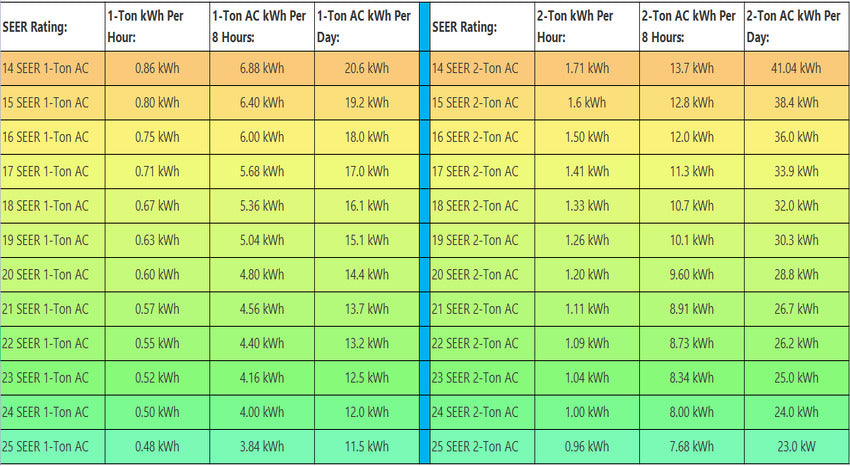
- SEER Rating: This stands for Seasonal Energy Efficiency Ratio. It's like a fuel efficiency rating for your AC. A higher SEER rating means the unit is more efficient and uses fewer watts to cool the same amount of space. Look for the Energy Star label!
- Age of the Unit: Just like us, AC units get a little less efficient as they age. An older unit might be working harder (and using more watts) to achieve the same cooling power as a newer, more efficient model.
- Usage Habits: How you use your AC also makes a difference. Cranking it down to arctic temperatures all day long? That's gonna use more watts than setting it to a reasonable temperature and using fans to circulate the air. Be smart, be cool!
Decoding Your Energy Bill: Become a Watt Detective!
Want to get a precise reading on how many watts your AC is using? Here's how to put on your detective hat:
- Check the Nameplate: Your AC unit should have a nameplate or sticker with its wattage information. It might say "Watts," "Power Consumption," or something similar.
- Use a Watt Meter: These handy gadgets can plug into your outlet and measure the actual power consumption of your AC in real-time.
- Look at Your Energy Bill: Your energy bill might show your overall energy usage, which can give you a general idea of how much electricity your AC is consuming.
Knowing your AC's wattage is like knowing the secret ingredient in your favorite recipe. It empowers you to make informed decisions and control your energy destiny!

From Watts to Savings: Practical Tips & Tricks
Now that you're armed with all this watt-age wisdom, let's talk about putting it to good use! Here are some quick tips to help you save energy and money:
- Raise the Thermostat: Every degree you raise the thermostat can save you energy.
- Use Fans: Ceiling fans and portable fans can help circulate the air and make you feel cooler without having to crank up the AC.
- Seal Air Leaks: Seal any cracks or gaps around windows and doors to prevent cool air from escaping.
- Regular Maintenance: Clean or replace your AC filters regularly to ensure optimal performance. A dirty filter makes your AC work harder and use more energy.
- Consider a Smart Thermostat: These nifty devices can learn your habits and automatically adjust the temperature to save energy.
Implementing just a few of these tips can make a noticeable difference in your energy bill. Plus, you'll be doing your part to reduce your carbon footprint. High five for being an energy-saving superhero!
So, there you have it! The not-so-secret world of AC wattage revealed. It's not as complicated as it seems, and understanding it can make a real difference in your wallet and the environment. Don't be intimidated by the numbers; embrace the knowledge and become a master of your own energy domain!
Now go forth, armed with your newfound watt-itude, and make smart, energy-conscious choices. The power is in your hands! And who knows, maybe you'll even inspire your friends and family to join the energy-saving revolution. The future is bright, and it's powered by informed consumers like you!
Ready to learn even more about energy efficiency? The journey of a thousand watts begins with a single step (and a click!). Keep exploring, keep learning, and keep making a difference. You've got this!