
How Many Watts Does A 9000 Btu Mini Split Use
Okay, let's talk about those mini splits. Specifically, the 9000 BTU kind. And more specifically, how much juice they suck down.
The Great BTU Mystery
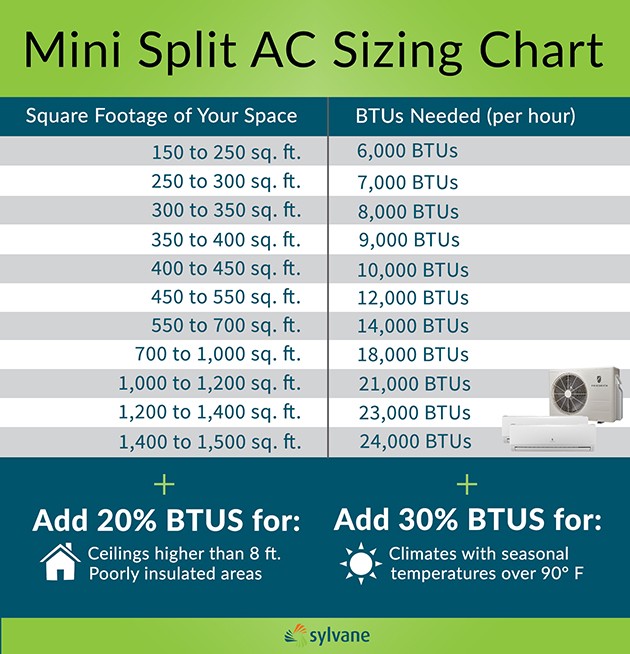
BTU. Sounds kinda sci-fi, right? It stands for British Thermal Unit. Basically, it's how much oomph your air conditioner has.
A 9000 BTU unit is generally great for a small room. Think bedroom, office, or that "cloffice" you made during the pandemic.
Must Read
Watts Up, Doc?
Now, for the burning question: Watts are we talking about here? (See what I did there?). It's not a simple answer, sadly.
Because it depends. Like, a lot. Different models, different brands, different planets even (okay, maybe not planets).
But, let's get into the numbers.
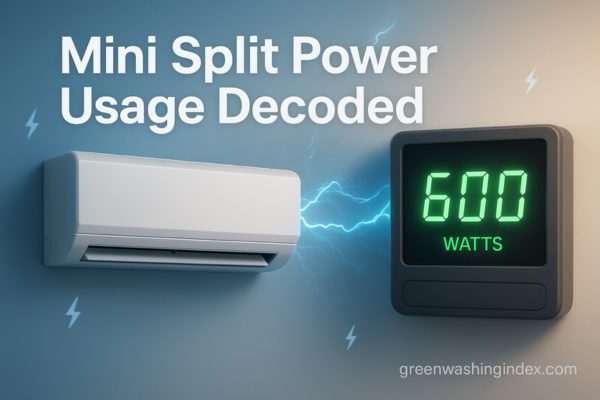
On average, a 9000 BTU mini split might use somewhere around 700-900 watts. When it's running.
The Initial Surge
But here's the kicker! When it first kicks on, it might use way more. That's the initial startup surge.
Think of it like trying to get your car started on a freezing morning. It needs a little extra "oomph."
That surge could temporarily double the wattage. So, potentially, 1400-1800 watts. Yikes!
SEERiously, It Matters
Here comes another acronym: SEER. Seasonal Energy Efficiency Ratio. The higher the SEER rating, the more efficient your unit.
A higher SEER rating means it uses less power to cool the same amount of space. Makes sense, right?
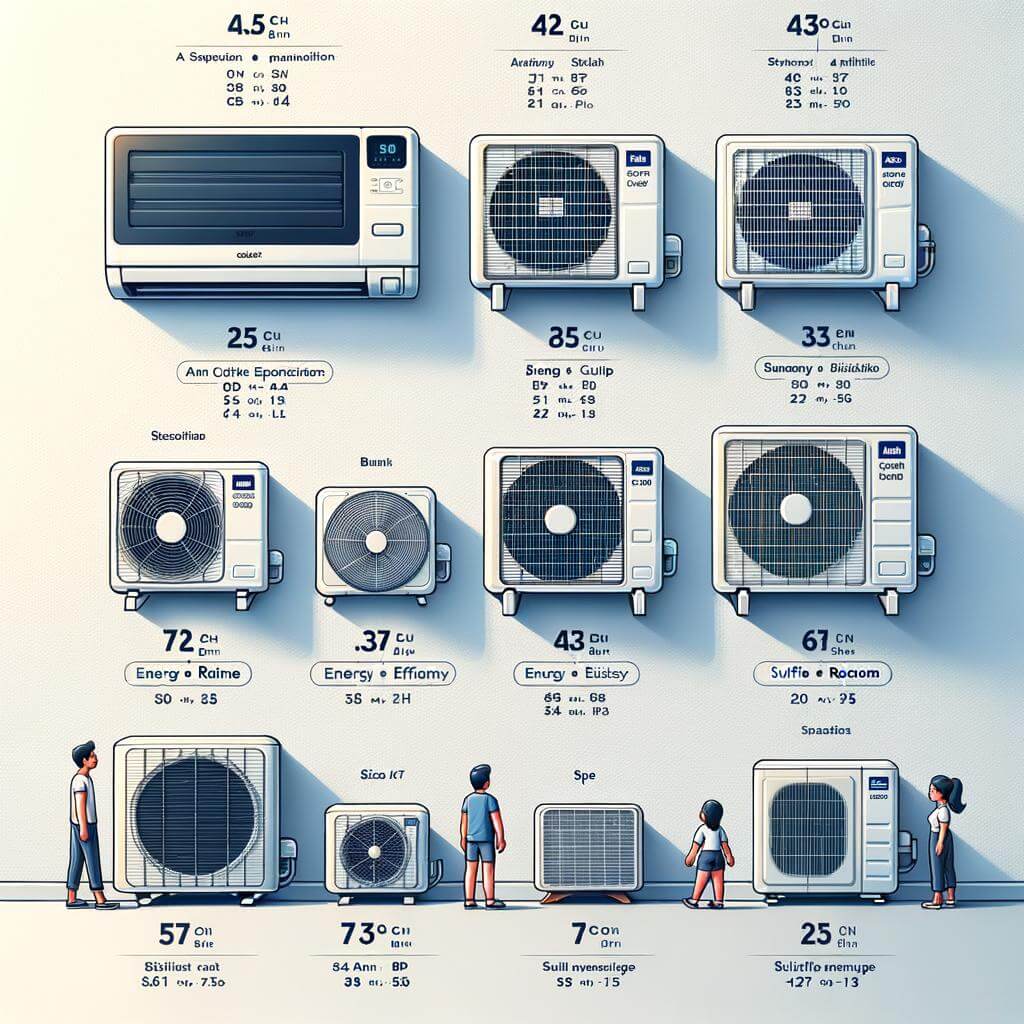
So, a 9000 BTU mini split with a high SEER will be a wattage-sipping champ. While a low SEER one? A power-hungry monster.
Inverter Technology: The Secret Weapon
Look for "inverter" models. This is where things get interesting. Inverter technology is all about smart cooling.
Instead of just blasting full power all the time, an inverter mini split adjusts its output. Kinda like cruise control for your AC.
This means it uses less energy overall. Because it’s only using the power it needs to.
The Unpopular Opinion
Okay, here’s my controversial take. Are you ready for it?.
I think worrying too much about the exact wattage is… overrated. Unless you're running on solar power, of course!
Hear me out. Think of the alternatives. Window AC units? Loud, clunky, and often energy hogs. Central AC? Cools the whole house, even when you're only in one room.
Comfort vs. Cost: The Balancing Act
A mini split lets you cool just the room you're using. That’s targeted comfort.
Yes, it uses electricity. But compared to other options, it can be a pretty efficient way to stay cool. Especially long term.
It's all about finding that sweet spot. Where you're comfortable without breaking the bank.
The Vampire Load
Don't forget the "vampire load." Even when your mini split is "off," it might still be using a tiny bit of power.
It’s ready for the next time you need it. It's like a phone charger that's plugged in but not charging anything. It’s a small drain.
Unplugging it completely could save you a few watts. But honestly, the effort might not be worth the tiny savings. Your call.
Do Your Homework
Want to know the exact wattage of your 9000 BTU mini split? Check the label!
The manufacturer should list the power consumption. Look for the "rated power input" or similar spec.
And read the reviews. See what other users are saying about energy usage.
Installation Matters
Proper installation is key! A poorly installed mini split will be less efficient.
Gaps, leaks, and incorrect refrigerant levels can all impact performance. And increase your energy bill.

Hire a qualified installer. It's worth the investment.
Cleaning is Caring
Keep your mini split clean! Dust and debris can clog the filters. This makes the unit work harder, using more energy.
Regularly clean the filters. It's a simple task that can make a big difference. Check your manual for the proper way to do it.
A clean mini split is a happy mini split. And a happy mini split uses less power.
Location, Location, Location
Where you put your mini split can also affect its energy usage. If it's in direct sunlight all day, it'll have to work harder to cool the room.
Consider installing it on a wall that gets less sun. Or use curtains or blinds to block out the heat.
Shade is your friend. Especially during those scorching summer months.
Smart Thermostats: The Future is Now
Consider a smart thermostat. This is the future, people!
You can control your mini split from your phone. Set schedules, adjust temperatures remotely, and monitor energy usage.

Some smart thermostats even learn your habits and automatically adjust the temperature. How cool is that?
Think Long Term
When choosing a mini split, think about the long term. A more efficient model might cost more upfront. But it could save you money on your energy bills over time.
Do the math. Calculate the potential savings. It might surprise you.
Investing in energy efficiency is good for your wallet. And good for the planet.
The Verdict
So, how many watts does a 9000 BTU mini split use? It depends. But roughly around 700-900 watts when running.
Remember to consider the SEER rating, inverter technology, and installation. And don’t be afraid to embrace smart thermostats!
Now go forth and conquer that summer heat. Armed with knowledge. And maybe a cold drink.
Ultimately, the exact wattage is just one piece of the puzzle. Comfort, convenience, and cost all play a role. Find the balance that works for you.
Don't get too hung up on the numbers. Enjoy the cool air.
And remember, sometimes, a little bit of comfy is worth a little bit of extra wattage.