
How Many Watts Does A 5 Ton Air Conditioner Use

Ever wonder what that giant metal box outside your house is really costing you? We’re talking about your air conditioner, the unsung hero (or villain, depending on your electric bill) of summer.
Specifically, let's tackle the big one: the 5-ton air conditioner. It's the HVAC equivalent of a pickup truck – powerful and ready to tackle even the hottest days.
Decoding the 5-Ton Mystery
First things first, let’s demystify the term "ton." It's not about weight! It refers to the amount of heat the AC can remove in an hour, specifically, 12,000 BTUs (British Thermal Units) per ton. So, a 5-ton AC can handle 60,000 BTUs.
Must Read
Now, to the burning question: how many watts does this behemoth consume? It's like asking how much a Labrador eats – it depends, but we can get a good estimate.
Watts Up, Doc? The Power Consumption Puzzle
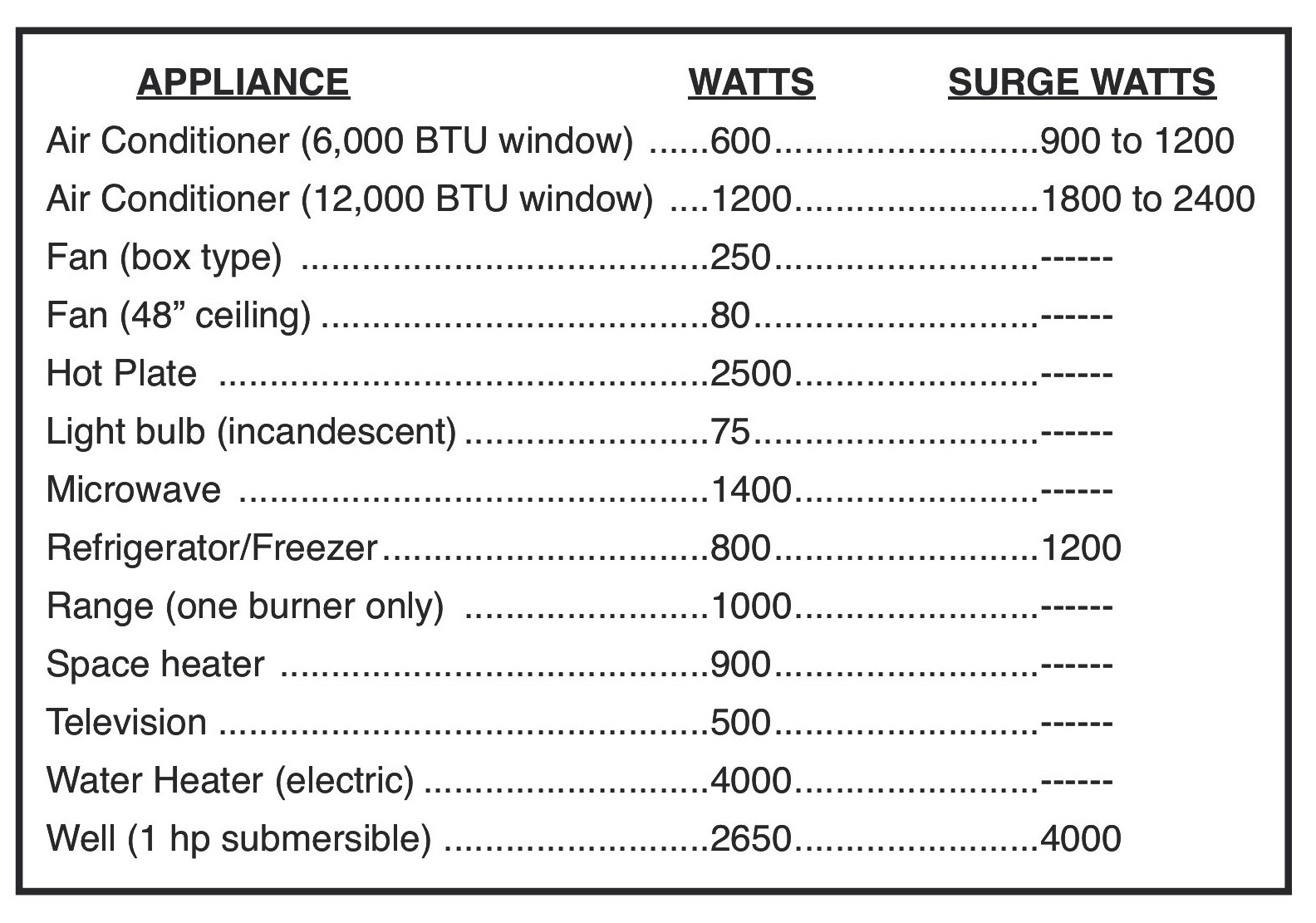
Generally speaking, a 5-ton AC unit typically uses between 3,500 and 5,000 watts while running. That’s a considerable amount of power. Think of it as running several ovens at the same time!
But here's the kicker: it’s not always running. Thanks to thermostats, the AC cycles on and off to maintain your desired temperature.
Therefore, the average continuous wattage might be lower, depending on factors like insulation, climate, and how often you open that refrigerator door to stare blankly inside.
The Plot Thickens: Factors Affecting Wattage
So, you want the nitty-gritty details? Buckle up, because a few key players influence how much juice your 5-ton AC sucks.

SEER Rating: The Efficiency Champion
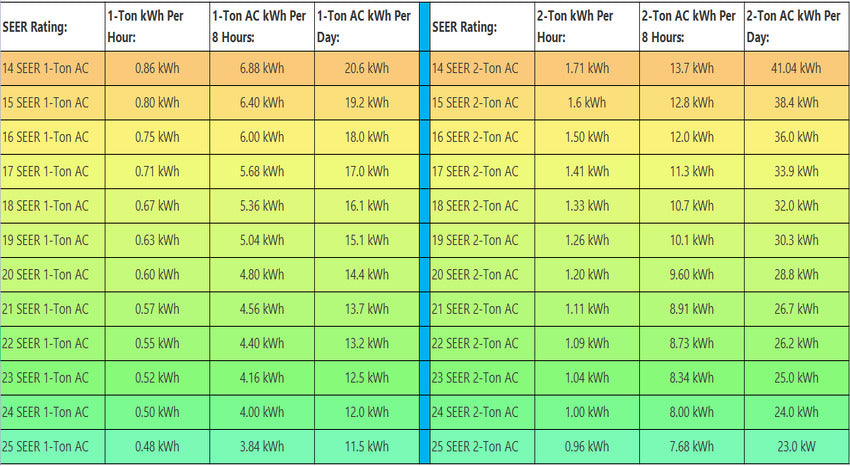
Enter the SEER rating, or Seasonal Energy Efficiency Ratio. It's like the MPG for your AC. A higher SEER rating means better efficiency and lower energy consumption. Look for that number when you are buying an AC!
Newer AC units are required to have minimum SEER ratings, so upgrading can save you a bundle. Imagine the extra vacation you could take with those savings!
Insulation: Your Secret Weapon
Good insulation is like a cozy sweater for your house. It keeps the cool air in and the hot air out. Poor insulation forces your AC to work harder, increasing wattage and your bills.
Think of it this way: you wouldn't wear a t-shirt in a blizzard, would you? Give your house some insulation love.
Climate and Usage Habits: The Obvious Culprits
Living in scorching Arizona versus temperate San Francisco makes a huge difference. The hotter the climate, the harder your AC has to work, thus using more watts.
Also, constantly adjusting the thermostat or leaving doors and windows open makes the AC work overtime. Simple changes can have a big impact!
A Watt-Saving Adventure: Tips and Tricks
Want to tame your 5-ton energy beast? Fear not! There are plenty of ways to reduce its power consumption without melting in the summer heat.
Thermostat TLC: Finding the Sweet Spot
Set your thermostat a few degrees higher when you're away or asleep. Even a small adjustment can make a noticeable difference in your energy bill. Programable thermostats are your friends!
Think of it as giving your AC a well-deserved break. It’ll thank you (in the form of lower bills).
Maintenance Matters: Keep it Clean!
Regularly clean or replace your AC filters. Dirty filters restrict airflow, forcing your AC to work harder and use more energy. It's like trying to run a marathon while breathing through a straw.
Schedule annual maintenance with a qualified technician to ensure everything is running smoothly. A little preventative care can save you from expensive repairs down the line.
Embrace Shade: Nature's AC
Plant trees or install awnings to shade your house from direct sunlight. This reduces the amount of heat entering your home, lessening the burden on your AC. Plus, you get some lovely scenery!
Consider window films to block out UV rays. It’s like sunscreen for your house!
The Great Wattage Reveal: Calculating Costs
Okay, so you know how many watts your 5-ton AC uses. But how does that translate to dollars and cents? Let's do some quick math.
First, find your electricity rate, usually measured in cents per kilowatt-hour (kWh). You can find this on your electric bill. Let's say it's $0.15 per kWh.
Next, estimate the average wattage your AC uses. Let’s assume it's 4,000 watts. Convert watts to kilowatts by dividing by 1,000 (4,000 / 1,000 = 4 kW).
Multiply the kilowatts by the electricity rate to get the cost per hour (4 kW x $0.15 = $0.60 per hour). If your AC runs for 8 hours a day, that's $4.80 per day, or about $144 per month.
Remember, this is just an estimate. Your actual costs may vary.

Beyond the Watts: The Human Element
While understanding wattage and energy consumption is important, let's not forget the human side of things. Your AC isn't just a power-hungry machine; it's a comfort provider.
Think about the relief it offers on a sweltering day. The refuge it provides for babies, the elderly, and those with health conditions. The escape it gives from the oppressive heat.
Energy efficiency is important, but so is maintaining a comfortable and healthy living environment for you and your loved ones. It's about balance.
Final Thoughts: Embracing Energy Awareness
So, how many watts does a 5-ton air conditioner use? It’s not a simple answer, but hopefully, you now have a better understanding of the factors involved.
By being mindful of your usage habits, investing in energy-efficient upgrades, and performing regular maintenance, you can keep your cool without breaking the bank or harming the planet.
Now, go forth and conquer the summer heat, armed with your newfound knowledge and a slightly lighter carbon footprint!