
How Many Watts Does A 1200 Btu Air Conditioner Use
Alright, pull up a chair, grab a lukewarm coffee (because, let's face it, the good stuff’s always gone), and let’s talk about something truly electrifying: 1200 BTU air conditioners and their insatiable thirst for watts! You might be thinking, "BTU? Watts? Sounds like gibberish from a mad scientist's lab!" And you wouldn't be entirely wrong. But trust me, understanding this stuff can save you money, prevent blown fuses, and maybe even impress your friends at your next awkwardly silent dinner party. Just imagine casually dropping, "Oh, this gazpacho is lovely, but does anyone know the wattage of their window AC unit?" Instant party hit!
Decoding the BTU Beast
First, a quick and dirty explanation of BTU. BTU stands for British Thermal Unit, and it's basically a measure of how much heat your AC can suck out of a room in an hour. A 1200 BTU air conditioner? Think of it as a tiny, shivering polar bear who’s really, really good at making your shoebox-sized office feel like the Arctic. (Okay, maybe not the Arctic, but definitely cooler than a pizza oven.)
Now, here’s where things get interesting. We need to translate that chilling power into watts. Watts, my friends, are the units of electrical power that your electricity bill weeps over. Think of them as the tiny gremlins that chug your electricity and demand payment. A 1200 BTU AC doesn't directly tell us the watts, because efficiency plays a HUGE role. It's like saying all cars with the same engine size get the same gas mileage. We know that’s definitely not true!
Must Read
The Wattage Wild West: A Range of Possibilities
Here's the thing: there's no magical "BTU-to-Watt" converter that spits out a definitive answer. It's more of a "BTU-to-Watt it depends" kind of situation. The key factor is the Energy Efficiency Ratio (EER). This is the golden number you want to hunt for on your AC unit. The higher the EER, the less electricity your AC needs to do its cooling magic. Think of it like this: a high EER is like having a super-efficient gremlin who only sips electricity, while a low EER is like having a horde of ravenous gremlins throwing a party on your power bill.
Generally, you can estimate the wattage by using a slightly-less-than-scientific formula: Watts ≈ BTU / EER. So, let's say your 1200 BTU AC boasts a respectable EER of 10. That means: 1200 / 10 = 120 watts. Hooray! A tiny little consumer of electricity!

However, and this is a big "however," EERs can vary wildly. You might find a 1200 BTU unit with an EER of 8 (which would use around 150 watts), or even a super-efficient one with an EER of 12 (using only 100 watts!). So, don't just assume. Always check the EER on the unit itself.
The "It Depends" Deep Dive (Prepare for Calculations!)
Let's break this down into some scenarios, because who doesn't love scenarios? (Okay, maybe you don't, but humor me!) Let’s look at some potential wattages for our 1200 BTU buddy.

See the difference? A higher EER means fewer watts used to achieve the same level of chilling. Choosing an AC unit with a higher EER is like getting a discount on comfort. It's also like telling those electricity-guzzling gremlins to find a different party.
Beyond the Numbers: Real-World Considerations
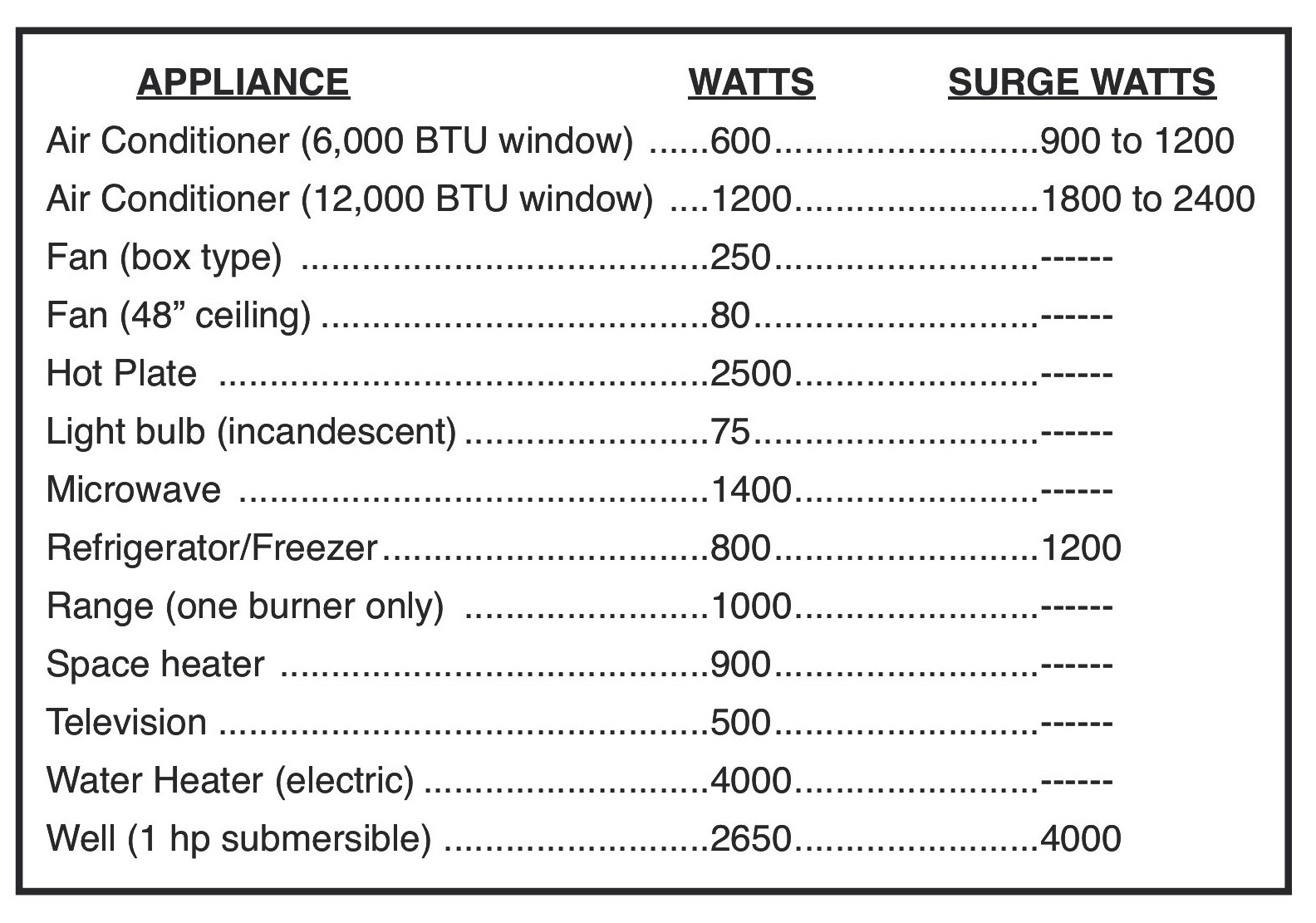
Keep in mind that the wattage listed on the AC unit is usually the running wattage. There's also something called "start-up wattage," which is a brief surge of power the AC needs to kick on. This surge can be significantly higher, sometimes even double or triple the running wattage. So, if you're constantly blowing fuses, the start-up wattage might be the culprit. It's like your AC is briefly flexing its electrical muscles before settling into a chill vibe.

Also, consider factors like room size, insulation, and how many times you open the door to let in the sweltering heat. A 1200 BTU AC in a well-insulated closet will be much more efficient than the same unit struggling to cool a poorly insulated ballroom.
The takeaway? While you can estimate the wattage of a 1200 BTU air conditioner, the actual wattage depends heavily on the EER rating. Always check the EER, consider your room's needs, and maybe, just maybe, be prepared to bribe those electricity gremlins with a slightly lower thermostat setting.
