
How Many Watts Do Dryers Use
Hey there! Grab a cuppa, pull up a virtual chair. We need to chat about something that probably hums away in your laundry room, quietly devouring electricity (or gas!). That's right, we're talking about your dryer. Specifically, "How many watts do dryers use?"
It's one of those questions you might ponder while staring blankly at a pile of damp towels, right? Like, seriously, how much juice is this thing really guzzling? Let's dive in, no jargon, just good old-fashioned, friendly chat.
The Big Number (Spoiler Alert!)
Okay, let's cut to the chase. Most electric dryers are pretty power-hungry beasts. We're generally talking in the range of 2,000 to 6,000 watts. Yeah, you read that right. Six thousand watts. That's a lot, especially compared to, say, your phone charger (a measly 5-10 watts, if that).
Must Read
So, if you ever felt a pang of guilt about running a quick load, your instincts weren't entirely wrong. Your dryer is putting in a serious workout!
Electric vs. Gas: A Tale of Two Technologies
Now, before you start hyperventilating about your next electric bill, we need to make an important distinction: are we talking electric or gas dryers? Because this, my friend, changes everything.
Electric dryers are the ones doing most of the heavy lifting with wattage. Why? Because they have to generate all that lovely, warm heat themselves using an electric heating element. That's where the big wattage numbers come from. The motor that spins the drum and the fan that circulates air? Those are relatively minor players in the wattage game.
But then there are gas dryers. These clever contraptions use gas (natural gas or propane) to create the heat. So, for them, the electric wattage is much, much lower. We're talking more in the range of 200 to 500 watts. That's just enough to power the igniter, the motor, and the electronic controls. A massive difference, right?
So, if you have a gas dryer, you can give yourself a little pat on the back. While gas isn't free, you're certainly not hitting your electric meter nearly as hard for the drying process itself.
Why So Many Watts? It's a Tough Job!
Think about what your dryer does. It takes soaking wet, heavy clothes and turns them into fluffy, warm, ready-to-wear garments. That's not magic, it's physics! And physics requires energy.
The main watt-guzzler is, without a doubt, the heating element. It literally glows hot to create the warm air that evaporates the water from your clothes. Then there's the motor that spins that big drum round and round, tumbling your laundry. And let's not forget the fan that pushes all that hot, moist air out through the vent. It's a whole system, working hard!
Factors That Play a Role in Wattage Consumption
It's not just a flat number, of course. Several things can influence how many watts your dryer is actually pulling at any given moment:
-
Heat Setting: Running it on "high heat" vs. "low tumble dry" will obviously draw more power because the heating element works harder.
How Many Watts Does A Blow Dryer Use at Quincy James blog -
Cycle Length: A quick 20-minute cycle for a few shirts uses less energy than an hour-long battle with a duvet. Duh, right?
-
Load Size: Overloading your dryer means it has to work longer and harder to dry everything, increasing wattage consumption over time. Don't do it! Give those clothes some room to tumble!
-
Dryer Efficiency: Older models tend to be less efficient. Newer, ENERGY STAR certified dryers are designed to do the job with fewer watts.
-
Maintenance: This is a biggie! A clogged lint trap or a blocked dryer vent makes your dryer work overtime. It has to push harder and heat longer, sucking up more watts. Clean that lint trap, people! (Seriously, it's not just for fire safety, it's for your wallet too!)
So, What Does This Mean for Your Wallet?
Okay, so watts are just a measure of instantaneous power. What really hits your bill is watt-hours or, more commonly, kilowatt-hours (kWh). That's watts used over time. The longer your dryer runs at a high wattage, the more kWh it consumes, and the higher your electric bill will be.
For example, if your electric dryer pulls 4,000 watts (or 4 kW) and runs for an hour, that's 4 kWh. Multiply that by your electricity rate (which varies wildly depending on where you live), and you'll get the cost for that one cycle. It adds up, especially if you're doing multiple loads a week!
Tips for Being a Watt-Saving Superstar
Don't despair! You can absolutely be smarter about your dryer usage:
-
Spin Cycle Superpower: Make sure your washing machine's spin cycle is doing its absolute best. The more water it wrings out, the less work your dryer has to do.
-
Clean That Lint Trap (Again!): Every single load. No excuses. It's like giving your dryer a clear airway.
-
Check Your Vent: Annually, pull your dryer out and clean the vent hose and outside vent. A clear vent means faster drying and less energy wasted.
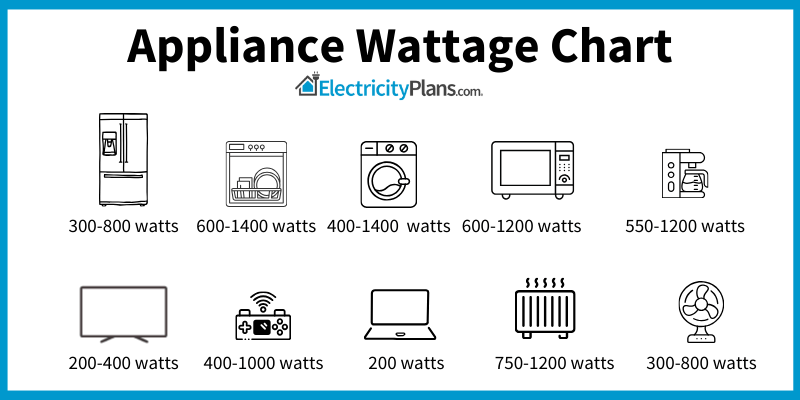
What Appliances Use The Most Electricity? -
Don't Overload: We talked about it. Give those clothes space!
-
Dry Similar Fabrics Together: Mixing heavy jeans with light t-shirts means the t-shirts will be bone dry while the jeans are still damp. This leads to longer cycles than necessary.
-
Consider Sensor Drying: If your dryer has it, use it! It automatically shuts off when clothes are dry, preventing over-drying (and wasted watts).
-
Air Dry When You Can: For delicates or smaller items, a drying rack is your friend. Fresh air is always the most energy-efficient option!
So there you have it! Your dryer is a powerful appliance, no doubt about it. But armed with a little knowledge (and a clean lint trap), you can keep its watt-guzzling habits in check. Go forth and dry wisely, my friend!