
How Many Watts Are In A Lamp
Ever just stare at a lamp, maybe while you’re cozied up with a book or chilling on the couch, and wonder: “How many watts are actually in that thing?” It’s one of those little mysteries hiding in plain sight, isn't it? Like, what does that number even mean? And why do some light bulbs seem to glow so brightly with hardly any watts at all?
Let's dive into the fascinating, often overlooked world of light bulb wattage. It's more interesting than you might think, I promise!
What Even IS a Watt, Anyway?
Before we get too deep, let’s quickly break down what a watt is. In super simple terms, a watt is a unit of power. Think of it like this: if electricity were water flowing through a hose, the watts would be the speed and force of that water being used. The higher the watts, the more electricity is being consumed at that moment.
Must Read
So, when you see a 60-watt light bulb, it means that bulb is pulling 60 watts of electrical power when it’s switched on. Pretty straightforward, right?
The Good Old Days (and Their High Watts)
For decades, when you thought about a light bulb, you probably thought of an incandescent bulb. You know, those classic pear-shaped ones with the little glowing filament inside. And what numbers come to mind? 60 watts. 100 watts. Maybe even a super bright 150 watts for a garage or workshop.
These numbers became synonymous with brightness. A 100W bulb was always brighter than a 60W bulb, because that’s how they worked. They generated light by heating up that tiny wire filament until it glowed. But here’s the kicker: most of the energy they consumed was actually turned into heat, not light! It was kind of like trying to run a marathon but spending 90% of your energy just sweating instead of moving forward.
So, a lamp with an old 60W incandescent bulb was, indeed, using 60 watts. And a lot of that was just wasted energy warming up your room, which isn't always what you want in July, right?
Enter the LED Revolution: Watts Get Wild
This is where things get really cool, and a little confusing if you're still thinking about those old incandescent bulbs. Nowadays, most new lamps come with, or are designed for, LED bulbs (Light Emitting Diodes). And these guys are total game-changers.
LEDs don't rely on heating a filament. Instead, they produce light through a different, much more efficient process. What does this mean for watts? It means they can produce the same amount of light (or even more!) using a fraction of the electricity.
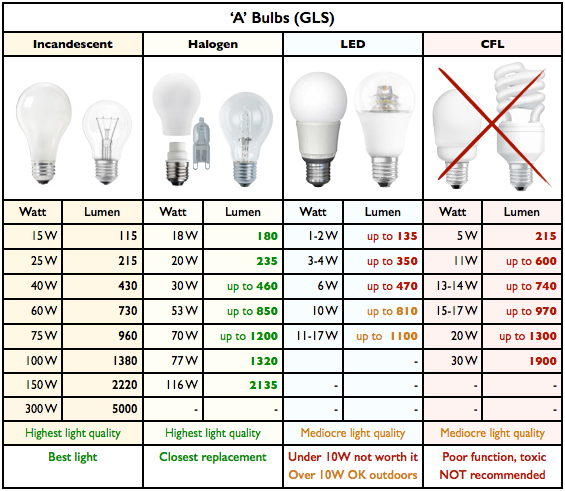
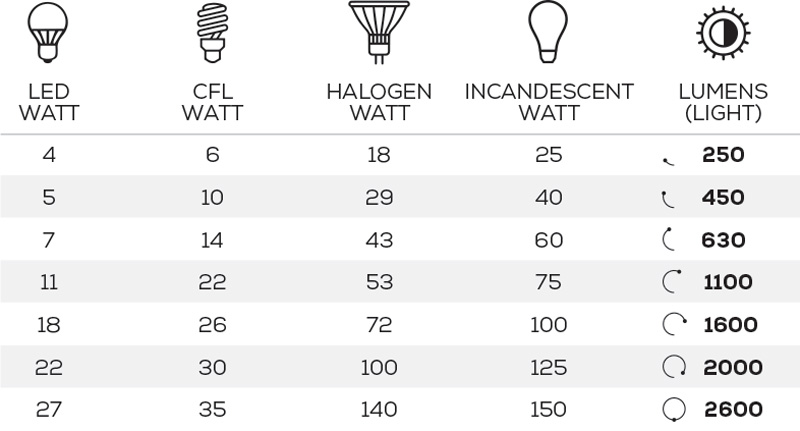
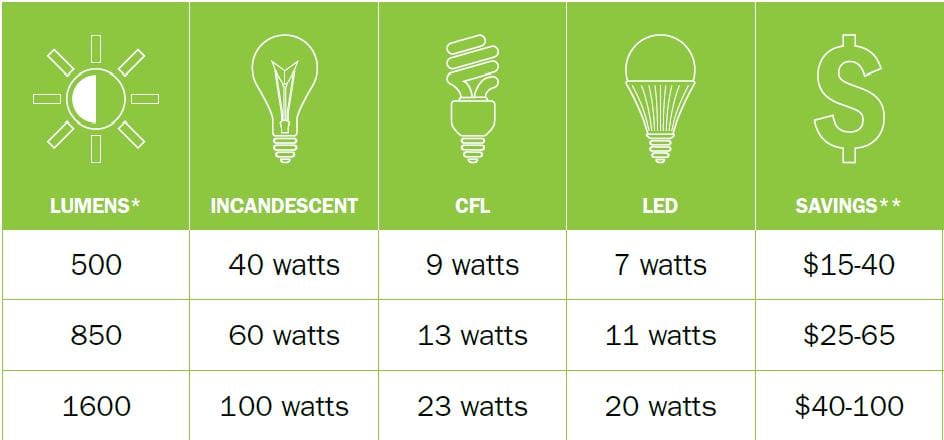
Think about it: that old 60-watt incandescent bulb? An LED equivalent might only be 8 to 12 watts! A bulb that used to be 100 watts might now be only 14 to 18 watts. Isn't that wild? It's like going from a gas-guzzling SUV to a super-efficient electric car for your lighting needs.
So, when you ask "How many watts are in a lamp?" today, the answer almost certainly involves a much smaller number than it used to. A modern table lamp with an LED bulb might only be drawing 10 watts or so, even if it feels just as bright as the old 60-watt version.
Why Lumens Are the New Black
Because watts became so misleading for LEDs, a new measurement rose to prominence: lumens. While watts tell you how much power a bulb consumes, lumens tell you how much light it actually produces. This is a much better way to compare brightness, especially across different bulb types.
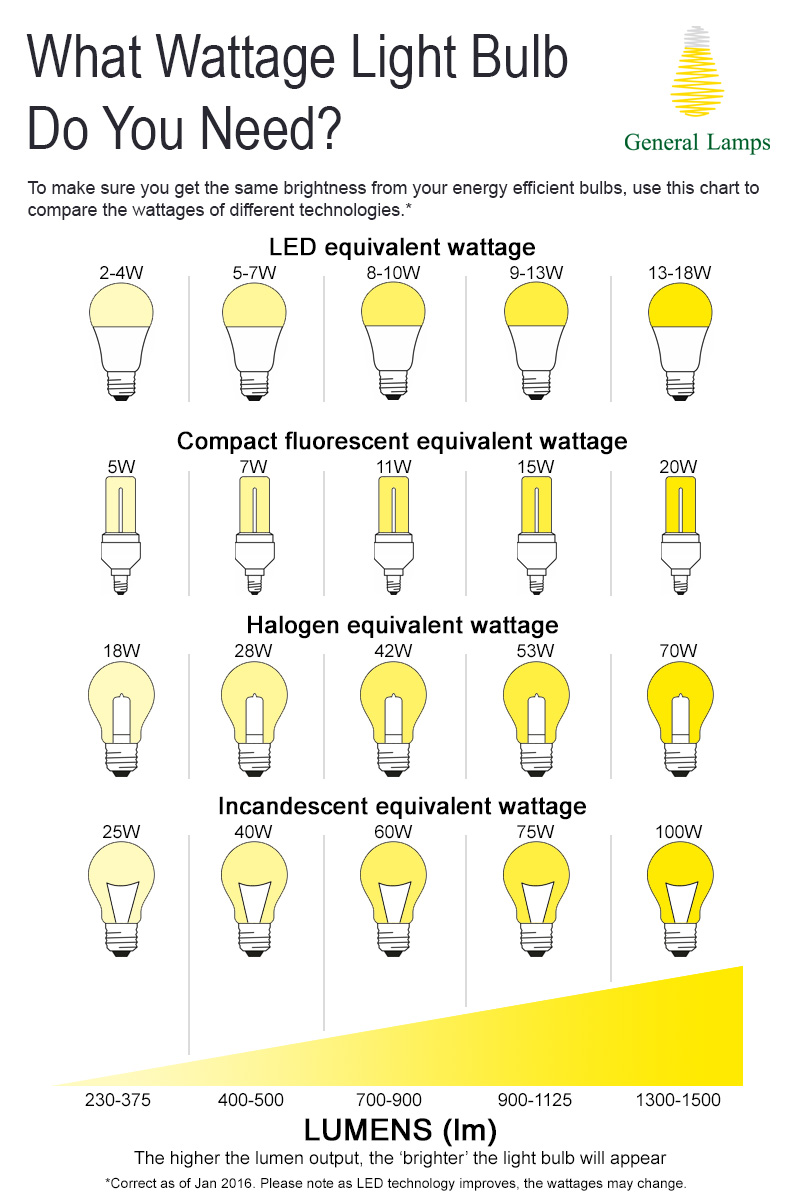
So, if you want a bulb that's as bright as an old 60-watt incandescent, you'd look for an LED bulb that's around 800 lumens, regardless of its watt rating (which, as we discussed, will be super low!). Want something closer to a 100-watt old-school bulb? Aim for about 1600 lumens.
This shift helps us understand what we're actually getting in terms of light, rather than just how much power it's sucking up. It's a much more useful metric!
What About the Lamp Itself?
It's important to remember that the "lamp" (the fixture, the base, the shade) itself doesn't inherently have a wattage. Instead, it usually has a maximum wattage rating. This tells you the highest wattage bulb you can safely put into that fixture without risking overheating or electrical issues. So, if your lamp says "Max 60W," it means you shouldn't put an old 100W incandescent bulb in it. But you can absolutely put a 10W LED bulb that gives off the equivalent of 100W of light!

Modern lamps often have integrated LEDs, meaning the light source is built right into the fixture and isn't meant to be replaced. In those cases, the lamp's overall power consumption will be listed, and it's almost always incredibly low.
Why Should We Care About All This?
Beyond satisfying our curiosity, understanding watts and lumens is actually pretty practical:
- Saving Money: Lower wattage means lower electricity bills. Swapping out old bulbs for LEDs is one of the easiest ways to save a few bucks each month.
- Helping the Planet: Less energy consumption means a smaller carbon footprint. Every watt saved adds up!
- Choosing the Right Light: Knowing about lumens helps you pick the perfect brightness for any room, whether you need bright task lighting or soft ambient glow.
So, the next time you glance at your lamp, you'll know that the question "How many watts are in that thing?" has a much more nuanced and interesting answer than it used to. Thanks to modern technology, your cozy little lamp is probably doing a lot more with a lot less! Pretty cool, right?