How Many Volts To Run A House
Ever stopped to think about the invisible magic powering your life? I mean, really think about it? From that morning coffee maker to the late-night binge-watching session, it’s all thanks to electricity. But how much "oomph" does it actually take to run your whole house? Let’s dive into the wonderfully quirky world of household voltage!
First off, let’s be clear: we’re talking about voltage here. Think of voltage like the pressure in a water pipe. The higher the voltage, the harder the electricity is "pushing." And in your house, that push comes in a couple of different flavors. It's not just one magic number, folks!
The Two Main Characters: 120V and 240V!
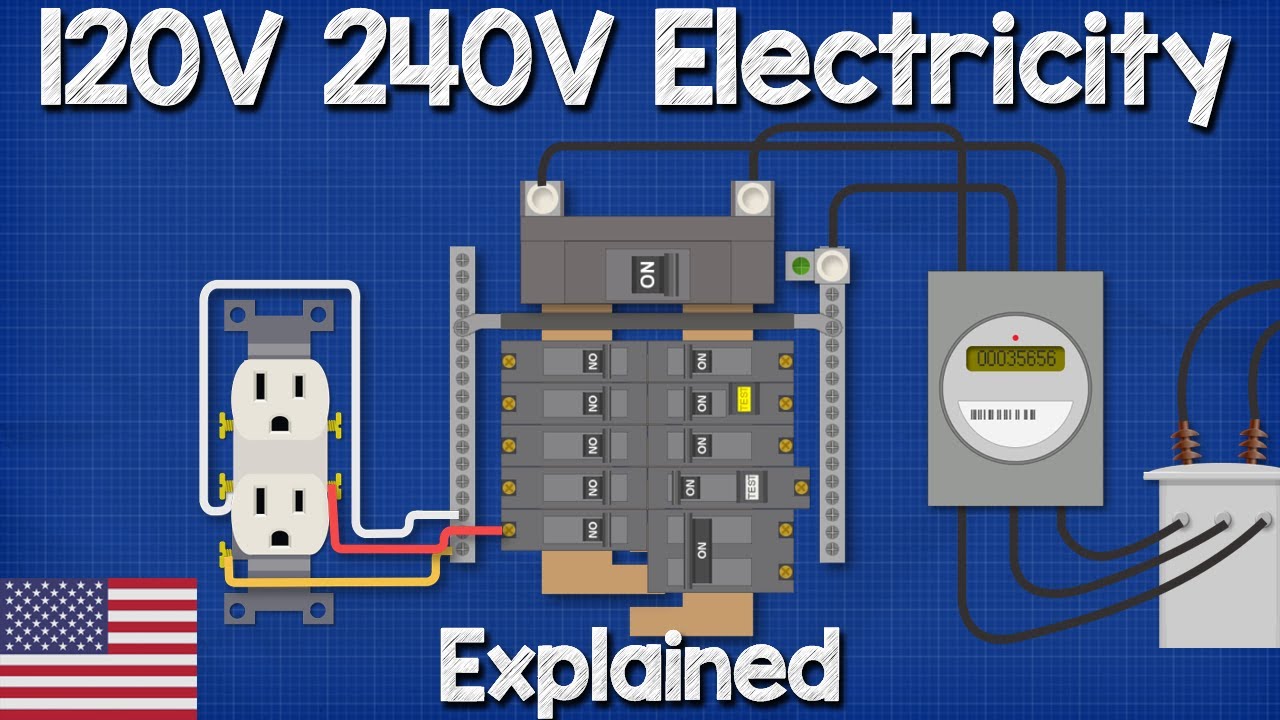
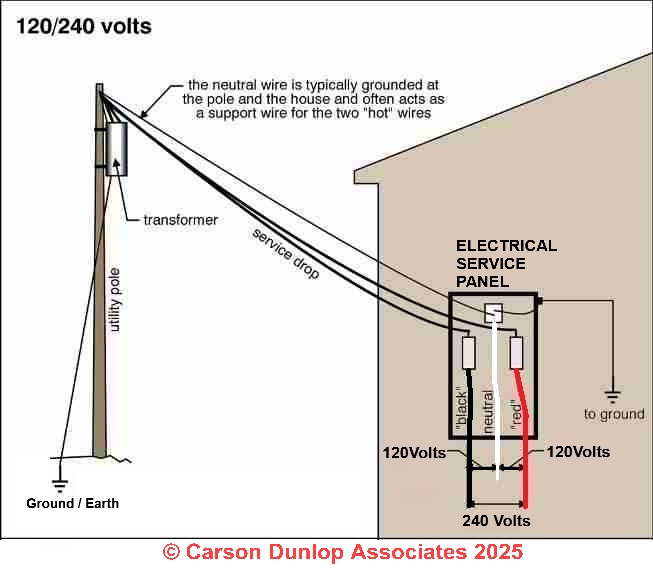
In North America, your home usually gets two main acts of electrical power: 120 volts and 240 volts. Yes, both! They live under the same roof, powering different parts of your life. It's like having a gentle stream for drinking and a powerful fire hose for, well, big fires (or your electric dryer!).
Must Read
The vast majority of the stuff you plug in every day — your phone charger, your lamps, your blender, that toaster that always makes perfect toast — all run on 120 volts. This is your everyday, friendly neighborhood electricity. It’s what pops out of those standard wall outlets with the two vertical slots and sometimes a little round grounding hole. Ever noticed? That's 120V saying hello!
But then there are the heavy hitters. The appliances that really need to flex their electrical muscles. We're talking about your electric clothes dryer, your oven, your central air conditioning unit, and sometimes your electric water heater. These big beasts crave more power, and they get it from 240 volts.
Ever peeked behind your dryer and seen a super-sized plug with sideways or L-shaped prongs? That’s the tell-tale sign of a 240V outlet. It's not just bigger for show; it's a clever safety feature! You wouldn’t want to accidentally plug your little alarm clock into an oven outlet, would you? That would be a very, very exciting morning!
Why the Dual-Voltage Shenanigans?
This isn't just some random electrical whim; it's actually quite brilliant! Running big appliances on 240 volts is more efficient. Think about it: to get the same amount of power (watts), if you double the voltage, you can cut the current (amps) in half. Lower current means less heat, which means smaller, less expensive wires can be used, and less energy is wasted. It’s like having a superhighway for the big trucks and a scenic route for the small cars.
Plus, it gives us options! You don't need a massive jolt of power just to charge your toothbrush. 120V is perfectly adequate, safer for smaller devices, and easier to manage for simple circuits. It's the best of both worlds, really!
Where Does This Power Party Come From?
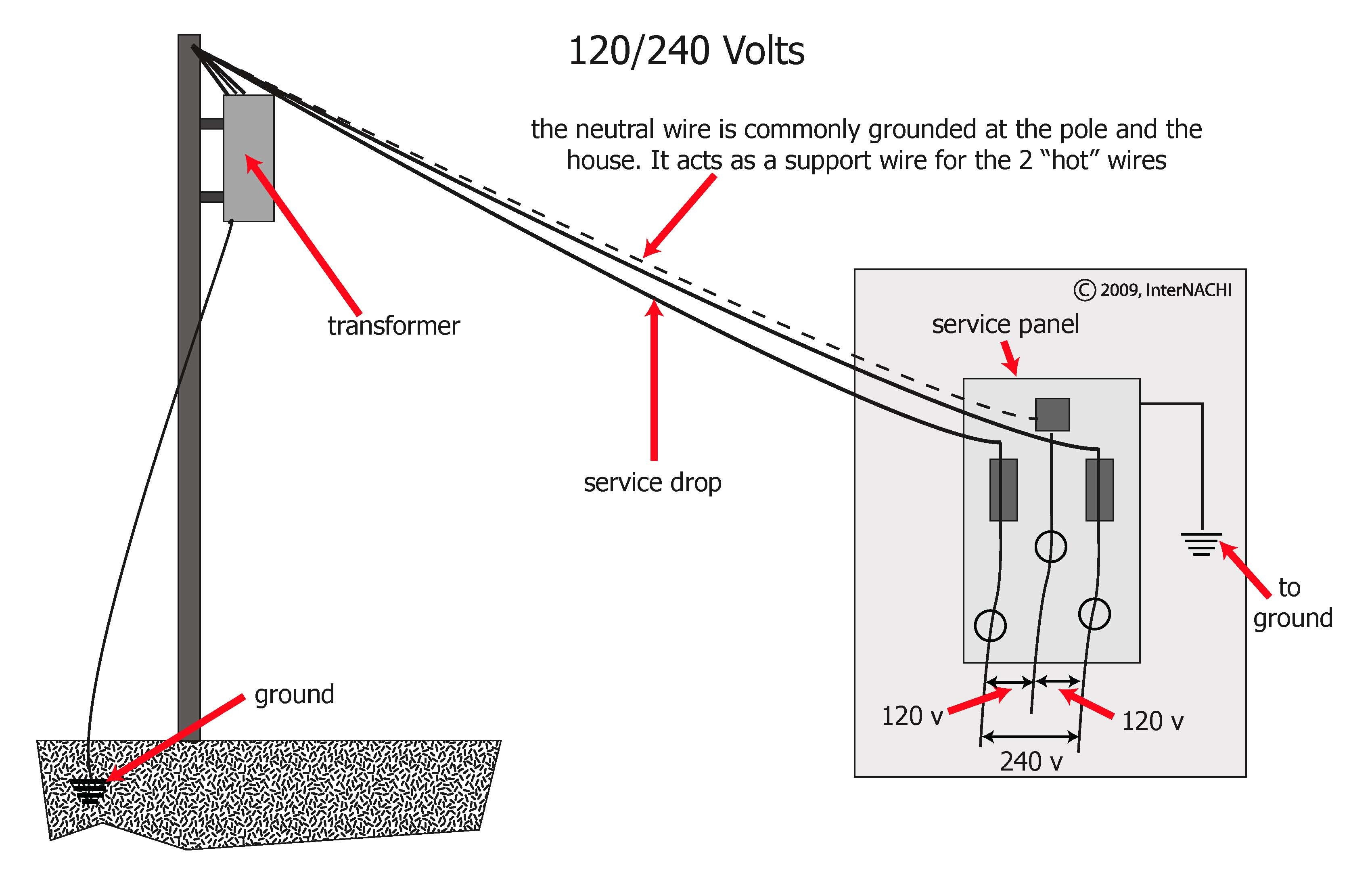
Your house gets its electrical personality from the utility pole (or underground box) outside. A magical device called a transformer steps down the really high voltage from the power lines (the ones that buzz with thousands of volts!) to the friendly 240 volts that enter your home. Then, inside your main electrical panel, that 240V is split into two 120V lines, ready to distribute power throughout your humble abode.
It’s a bit like a giant bouncer at a club, making sure the VIPs (240V for big appliances) get their direct access, while also making sure everyone else (120V for everything else) gets their share of the fun without getting overwhelmed. All very organized, right?
A Quick Trip Around the World
Here’s a fun fact that might mess with your head: not every country uses 120V and 240V! Most of the rest of the world (Europe, Asia, Africa, Australia) uses something closer to 220-240 volts for pretty much everything. Yes, even their lamps and phone chargers. This is why if you travel internationally, you often need a voltage converter (or at least a plug adapter!). Ever tried to plug your American hair dryer into a European outlet without checking? You might get a puff of smoke or a sad, whimpering motor. It's a traveler's rite of passage!
So, How Many Volts to Run a House?
The short, fun answer is: a dynamic duo of 120V and 240V! They work together, like Batman and Robin, to keep your lights on, your food cooked, and your favorite shows streaming. It’s a beautifully engineered system that we often take for granted, but it’s truly fascinating when you stop to consider the invisible forces at play.
Just remember: while it's fun to talk about, electricity is powerful. Always treat it with respect, and leave the heavy-duty wiring to the pros. But next time you plug something in, give a little nod to those hardworking volts. They’re the unsung heroes powering your perfectly cozy, electrified life!