How Many Volts Is A Wall Outlet

Ah, the humble wall outlet. It’s always there, usually behind the couch, patiently waiting for its moment to shine. We plug things in, things turn on, and life, for the most part, just... works. But have you ever truly stopped to ponder one of life's great electrical mysteries? The one that whispers from every charging cable and toaster cord: How many volts is a wall outlet?
Now, I know what some of you are thinking. “Oh, I know this! It’s 120!” Or maybe, if you’re fancy and live across the pond, “It’s 230, darling!” And yes, technically, you’re not wrong. The smarty-pants of the electrical world have indeed assigned these numbers. They’ve got charts, diagrams, even little safety stickers. But I’m here today to present a slightly less scientific, and perhaps more accurate, take on the situation. Call it my unpopular opinion
, if you will.
It’s Not About the Number, It’s About the Vibe
Let’s be honest. Do you really feel 120 volts when you plug in your phone? Or 230 when you flick on the kettle? Of course not! What you feel is the frantic energy of a dying smartphone gulping down juice, or the satisfying thrum of a vacuum cleaner suddenly coming to life. The volts, my friends, are merely a suggestion. A baseline. A polite starting point in a much grander electrical symphony.
Must Read
I propose that the true voltage of your wall outlet isn’t a fixed, immutable number at all. It’s a dynamic, ever-changing entity, perfectly tailored to the existential needs of the device you’re plugging in.
Think about it. When your laptop is at 1% battery, teetering on the edge of digital oblivion, that outlet suddenly feels like it’s pumping out a thousand volts of pure, unadulterated hope. It’s practically screaming, “DON’T DIE ON ME NOW!” The electrons are sprinting, not strolling. The voltage? Immeasurable in its urgency.

The Toaster Test: A True Measure of Power
Consider the toaster. A magnificent contraption designed for one noble purpose: turning bread into golden, crispy perfection. When you shove in those slices, and the little lever clicks down, do you hear a polite hum of 120 or 230 volts? No! You hear the sound of raw, unadulterated intent. A primal growl. That outlet isn't just delivering electricity; it's delivering toast potential. And let me tell you, toast potential is far more powerful than any mere volt count.
Then there’s the Christmas lights dilemma. You’ve got a dozen strands, all merrily twinkling away. Then, disaster strikes. One bulb goes out, and suddenly, the entire chain dims. Has the voltage dropped? According to the meter, probably not much. But subjectively? Oh, it’s plummeted into the deepest abyss of festive despair. The outlet feels tired, defeated, barely mustering a flicker. Clearly, its actual output is a reflection of the collective sadness of a million tiny, unlit bulbs.
The International Volt-tage Conspiracy
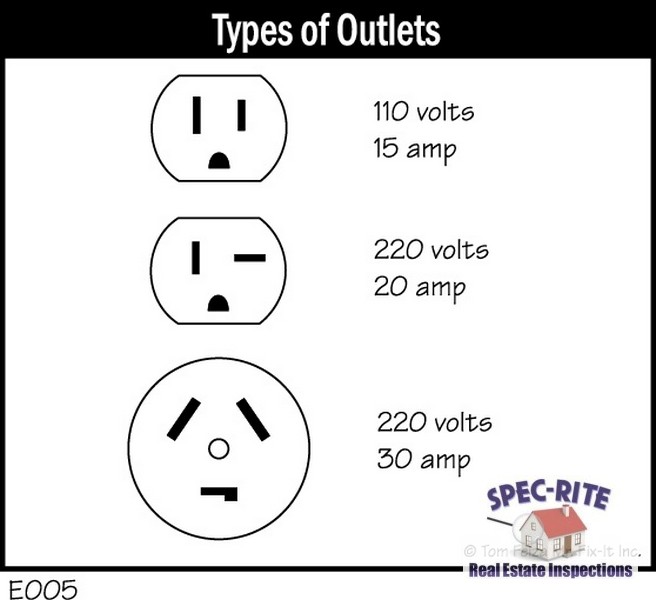
And what about our global friends? Some places boast 230 or 240 volts. Are their electrons just… bolder? More adventurous? Do their devices charge with a swagger that ours simply can’t match? I suspect it's less about the numbers and more about a cultural agreement. A societal nod that says, “Yes, our electricity is just a little bit more intense here.” It’s like saying your coffee is stronger; the actual caffeine content might be similar, but the feeling is definitely amplified.
So, the next time someone asks you, “How many volts is a wall outlet?”, don’t just parrot the official numbers. Give them the truth. Tell them it depends. It depends on the desperate plea of your dying tablet. It depends on the urgent need for perfectly golden-brown toast. It depends on the sheer force required to make your vacuum cleaner suck up that rogue crumb you’ve been ignoring all week.
Because, really, the voltage isn't just a number. It's the silent, unsung hero of our plugged-in lives, constantly adjusting its output to match our digital demands. It's not 120. It's not 230. It’s always, always, “just enough”. And sometimes, if you’re lucky, “a little bit more than enough”. Now that’s a voltage I can believe in.