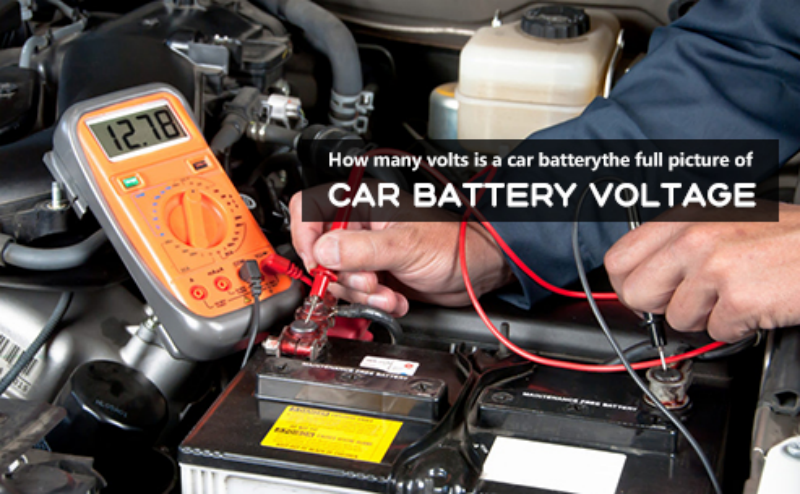
How Many Volts Is A Car Battery When Fully Charged
Okay, let’s talk car batteries. We all know they’re those grumpy, rectangular things lurking under the hood, responsible for waking our metal steeds from their slumber. But have you ever stopped to think about how much juice they actually hold? Specifically, how many volts are we talking when that battery is singing its happy, fully-charged song?
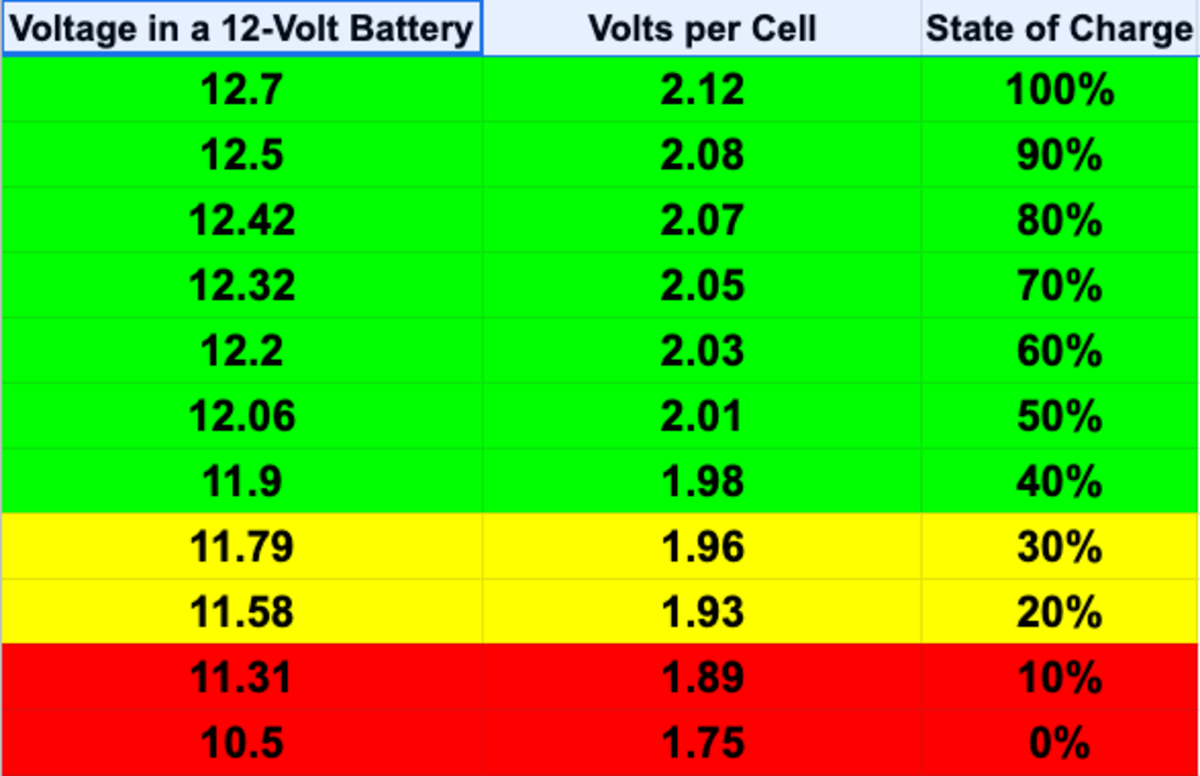
The answer, in its simplest form, is around 12.6 volts. There you go! Article over! Just kidding. Because that single number doesn’t even begin to scratch the surface of the surprisingly dramatic (and occasionally hilarious) life of a car battery.
Think of it like this: that 12.6 volts is the battery’s “resting heart rate.” It's chilling, not working hard, just being a fully-charged battery. It’s like when you're lounging on the couch on a Sunday afternoon, binge-watching your favorite show, perfectly content. That’s your “resting heart rate.” The battery is the same, but with electricity.
Must Read
But the moment you turn the key, BAM! It's go-time. It's asked to provide a HUGE surge of power to get that engine roaring to life. During that brief, glorious moment, the voltage might dip a little, maybe down to 10 or 11 volts. Don’t panic! That’s normal. It's like when you sprint to catch the bus – your heart rate goes through the roof, but it’ll come back down.

And here’s where it gets interesting. Once the engine is running, the alternator steps in. Think of the alternator as the battery’s personal trainer. It recharges the battery, keeps it topped up, and makes sure it’s ready for the next starting sprint. The alternator will typically push the voltage up to around 13.7 to 14.7 volts. It's making sure the battery has enough energy to keep everything running – the lights, the radio, even that fancy heated seat you love so much on chilly mornings.
Now, imagine your car battery is a social butterfly. It doesn't just sit there quietly. It’s constantly interacting with other components, having little voltage conversations. A healthy battery is like a polite conversationalist, maintaining a steady and consistent flow. A weak or dying battery, on the other hand, is like that person at a party who keeps interrupting, sputtering, and generally making things awkward. It might still manage a few sentences (start the car a few times), but eventually, it runs out of steam and leaves everyone stranded (including you, on the side of the road).

And speaking of awkward situations, let's address the dreaded dead battery. We've all been there. You turn the key, and… nothing. Just a pathetic clicking sound. It's the automotive equivalent of a dramatic sigh. In this case, your battery voltage is likely way below that happy 12.6 mark. It's closer to flatlining. Time for a jump-start, a new battery, or perhaps a very long walk.
So, what’s the takeaway? Knowing that a fully charged car battery hovers around 12.6 volts is a good starting point. But understanding that voltage is a dynamic thing, constantly fluctuating based on what your car is doing, is even more important. Regular checkups, proper maintenance, and a little bit of awareness can go a long way in preventing those dreaded dead-battery dramas. Think of your car battery as a loyal friend. Treat it well, and it will get you where you need to go. Ignore it, and it will leave you stranded with nothing but the crickets for company.