
How Many Volts In A Kilowatt

Alright, settle in, grab your imaginary coffee (or real one, I’m not judging), because we’re about to tackle one of those brilliantly baffling questions that makes you scratch your head and wonder if you missed a day in physics class. The question? “How many volts in a kilowatt?”
Now, if you’re anything like the rest of us non-electrical-engineers, you might be thinking, “Yeah, that’s a fair question! They both sound like electricity things, right?” And you’d be half-right. They’re both absolutely about electricity. But asking how many volts are in a kilowatt is a bit like asking “How many giggles are in a Tuesday?” or “How many miles per hour are in a gallon of milk?”
Confused? Excellent! You’re right where I want you. Because the simple, slightly cheeky answer is: There aren't any. Zero. Zilch. Nada. And here's why that's actually a super interesting, fundamental truth about how our blinky, whirring world works.
Must Read
Meet the Players: Volts, Amps, and Watts!
To understand why this question is a category error, we need to introduce our three main characters in the grand drama of electricity. Think of it like this:
The Pushy Parent: Volts (V)
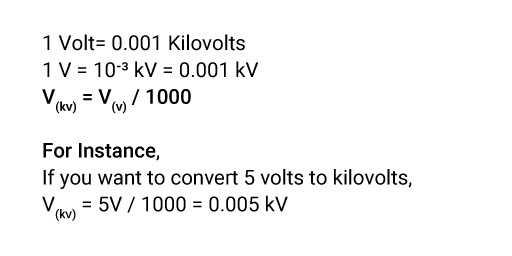
Imagine electricity flowing through a wire like water through a hose. Our first player, the Volt (V), is like the water pressure. It's the electrical "oomph" or potential difference that pushes the electrons along. Higher voltage means a stronger push. A small 1.5V battery gives a gentle nudge, while a lightning bolt (millions of volts!) gives a rather emphatic shove that you absolutely do not want to experience.
So, a volt is a measure of pressure. Got it?
The Speedy Sprinter: Amps (A)
Next up, we have the Ampere, or Amp (A). If volts are the pressure in our hose, then amps are the amount of water actually flowing through the hose. It's the rate of electrical current. A thin trickle of water (low amps) versus a gushing torrent (high amps). This is the electrical flow that actually does the work – or, if you're not careful, gives you a nasty shock.
Interestingly, while high voltage often gets the villainous reputation, it's actually the amps that can be far more dangerous to living creatures. A high-voltage static shock might zap you, but a low-voltage, high-amp current can stop your heart. Gulp!
The Workaholic: Watts (W) and Kilowatts (kW)
And finally, the star of our original question: the Watt (W). If volts are the pressure and amps are the flow, then watts are the total power being used or produced. It’s the actual work being done. In our hose analogy, watts would be the force with which the water is hitting something, or the amount of work it could do turning a water wheel.
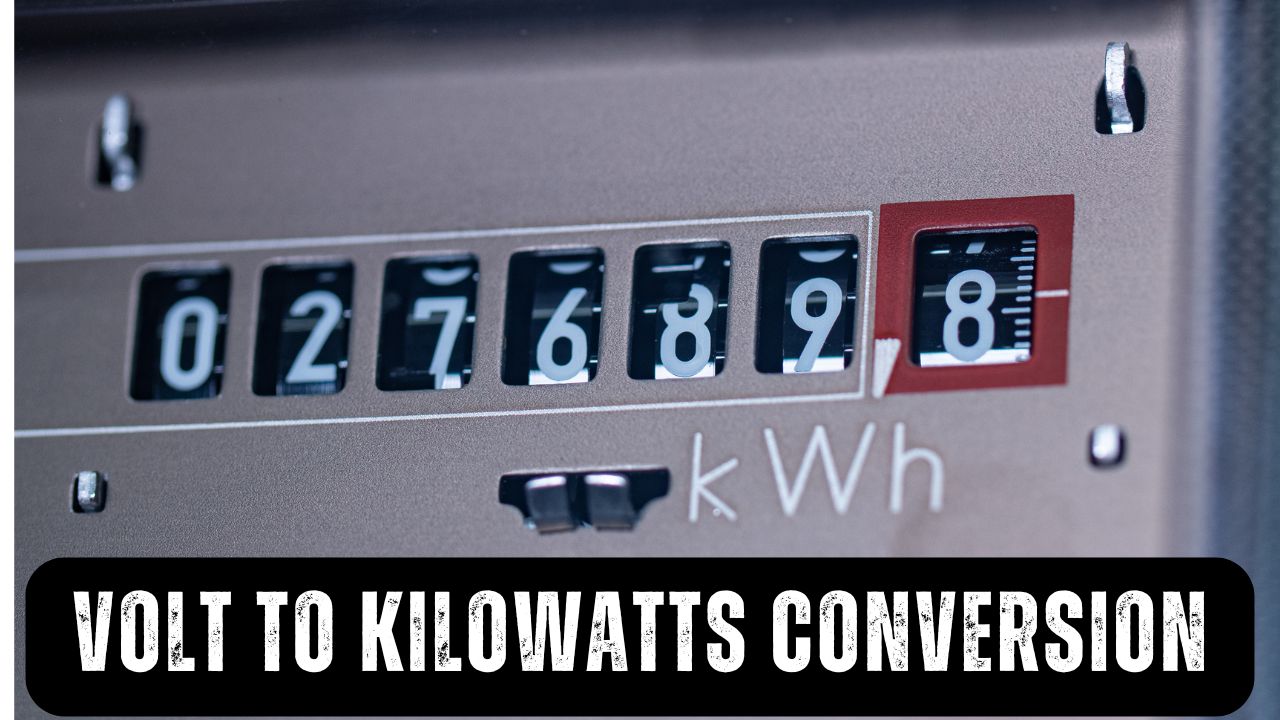
A lightbulb might be 60 watts. A hair dryer might be 1500 watts. And a Kilowatt (kW)? That’s just 1,000 watts. We use kilowatts for bigger stuff, like how much power your entire house is gobbling up, or the output of an electric car motor. It’s the oomph factor, the overall electrical horsepower.
The Grand Reveal: How They All Connect (or Don't!)
Here’s the magical, not-so-secret formula that ties them all together:
Power (Watts) = Pressure (Volts) × Flow (Amps)
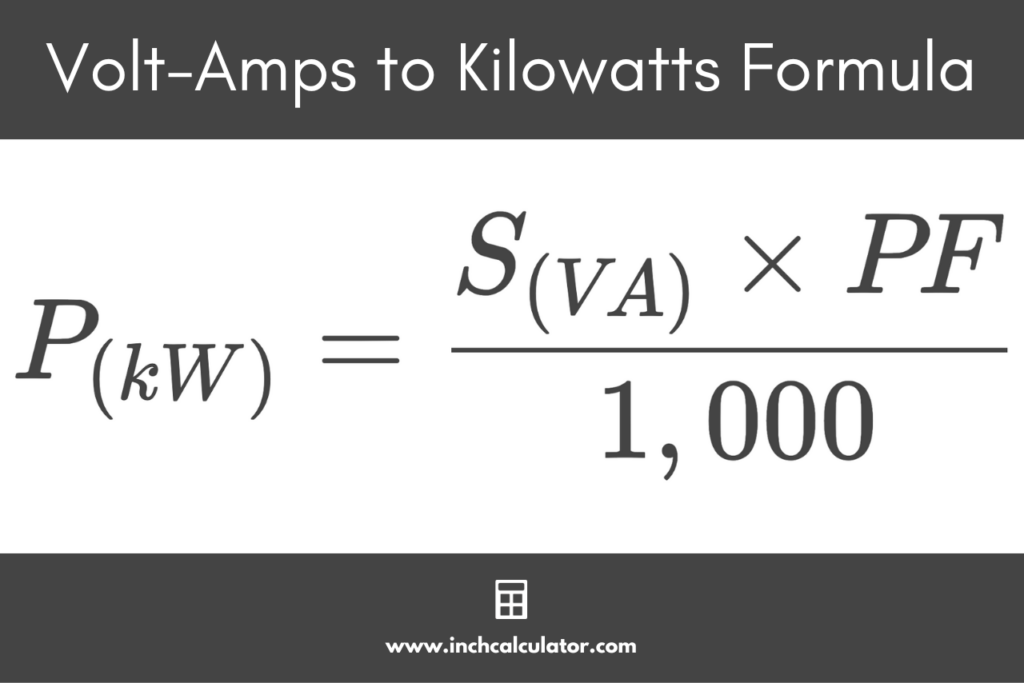
Or, more simply:
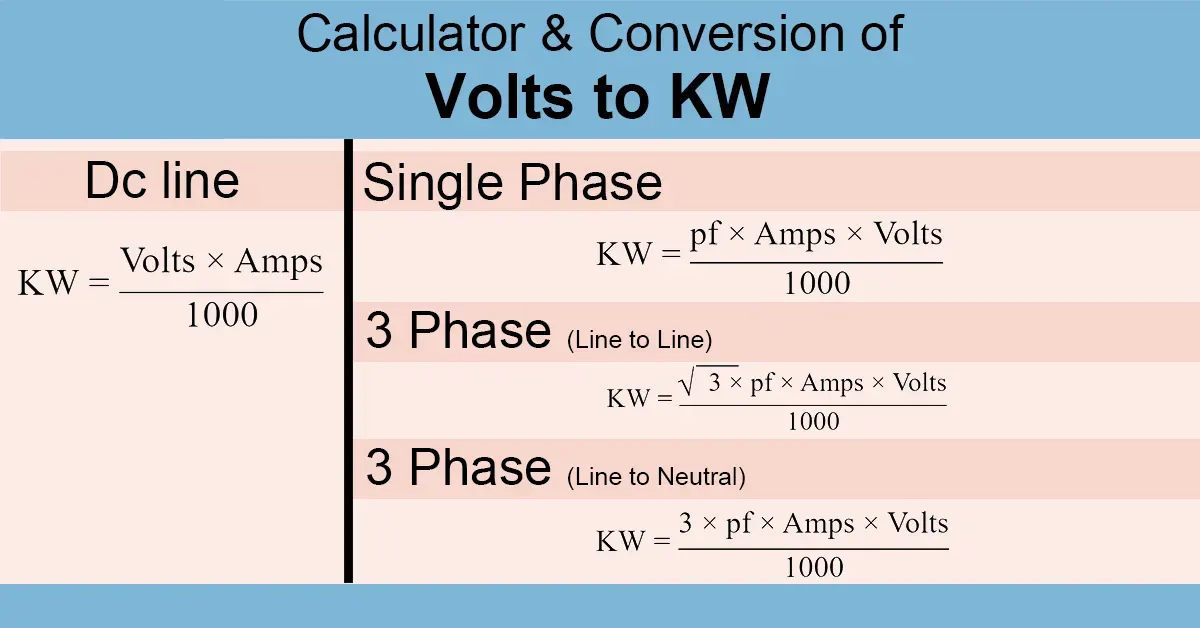
Watts = Volts × Amps
This means you cannot have watts without both volts and amps participating in the electrical party. You need the electrical push (volts) AND the electrical flow (amps) to create electrical power (watts).
Think back to our hose: You can have high water pressure (volts) but if the hose is kinked and no water is flowing (zero amps), you have zero power (zero watts). Conversely, you can have a massive hose (potential for high amps) but if there's no pressure behind it (zero volts), again, zero power.
So, How Many Volts In A Kilowatt, Again?
By now, it should be delightfully clear why the question is a non-starter. A kilowatt measures power. A volt measures pressure. You can’t convert one directly into the other any more than you can convert a hug into a kilogram. They measure fundamentally different things.
However, if you know how many amps are involved, then you can absolutely figure out the volts if you have the watts (or vice-versa!).
For example, if you have a 1-kilowatt (1000-watt) appliance running on a standard US household circuit (about 120 volts), you can calculate the amps:
Amps = Watts / Volts
Amps = 1000 W / 120 V = approximately 8.33 Amps.
But that same 1-kilowatt appliance in Europe (where voltage is typically around 230 volts) would draw fewer amps:
Amps = 1000 W / 230 V = approximately 4.35 Amps.
See? Same power output (1 kilowatt), but vastly different volts and amps depending on the electrical system. This is why multi-voltage appliances exist!
The Takeaway (and a Final Joke)
So, the next time someone asks you “How many volts in a kilowatt?”, you can confidently, and perhaps with a knowing wink, explain that it’s like asking how many decibels are in a kilogram of bananas. They’re measuring different concepts entirely!
But you can also impress them by explaining the beautiful, interdependent dance between volts (the push), amps (the flow), and watts (the glorious electrical power they create together). Now go forth, armed with this knowledge, and illuminate the world – responsibly, of course!