
How Many Volts Does A Triple A Battery Have

Hey there, battery buddies!
Ever wonder about those tiny powerhouses we call AAA batteries? You know, the ones that fuel your TV remote, your kid's favorite toy, or maybe even your panic-button flashlight? Let's talk about 'em. Specifically, let's talk volts!
The Voltage Verdict: One Point Five!
So, how many volts are we talking with a AAA battery? Here's the big reveal: it's generally 1.5 volts. Bam! There you have it. Mystery solved. But hey, where's the fun in just stopping there? Let's dig a little deeper. Think of volts as the battery's pushing power. It's the force that makes those electrons march and power your stuff.
Must Read
Think of it like this: Volts are like the water pressure in your shower. More pressure (volts), more oomph!
Pretty standard, right? 1.5 volts. But that's like saying all apples are the same. There are nuances, my friend!
Not All Volts Are Created Equal
Now, this is where it gets a little interesting. A brand new AAA battery, fresh out of the package, might actually register a bit above 1.5 volts. Like maybe 1.6 or even 1.7. That’s the battery showing off a little. Just flexing its voltage muscles, if you will. But as the battery gets used, the voltage will gradually decrease. It’s like that new car smell fading away. Sad, but true.
Eventually, it'll drop below 1.5 volts, and your device might start acting wonky. Dim lights, sluggish motors, or that dreaded "low battery" warning. That's your cue to swap it out!

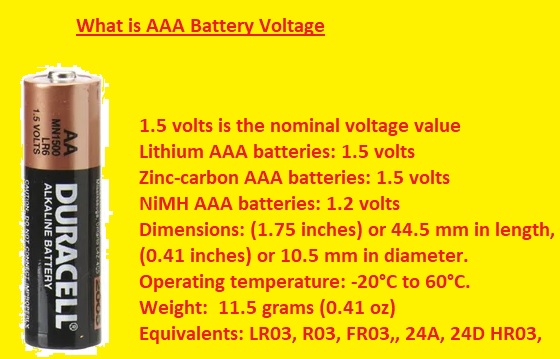
Ever notice how rechargeable AAA batteries sometimes seem less powerful than their alkaline counterparts? That’s often because rechargeable AAAs, especially NiMH (Nickel-Metal Hydride) batteries, usually have a lower nominal voltage - around 1.2 volts. They can still do the job, but they might not pack quite the same punch right off the bat.
Quirky Fact Alert: Some high-drain devices (think digital cameras with a flash) will gobble up those volts super fast. A regular alkaline AAA might poop out quickly, while a lithium AAA (which also boasts 1.5v, but holds it more consistently) will keep the party going longer. It’s like the difference between a sprinter and a marathon runner!
Why Does This Even Matter?
Okay, so why should you care about the voltage of a AAA battery? Well, for most everyday uses, you probably don't need to obsess over it. But understanding voltage helps you troubleshoot problems and choose the right battery for the job. Plus, it's just cool knowledge to have!
Imagine your fancy new gadget requires a specific voltage to operate correctly. Pop in a battery with too low a voltage, and… nothing. Nada. Zilch. Or maybe it'll work poorly. Too high a voltage? You could potentially fry the device! (Disclaimer: This is less likely with standard household batteries, but it's still a good principle to keep in mind!)
Think of it this way: Voltage is like the recommended octane level for your car. Use the wrong kind, and things might not run so smoothly.
Battery Types and Voltages
While we're primarily talking about AAA batteries, which usually clock in at 1.5 volts (for alkaline and lithium versions), let's quickly touch on other types:
- Alkaline: The everyday workhorse. Reliable and affordable. Typically 1.5 volts.
- Lithium: The long-lasting champion. Great for high-drain devices and extreme temperatures. Also 1.5 volts, but holds its voltage longer.
- Rechargeable (NiMH): The eco-friendly option. Can be recharged hundreds of times. Usually 1.2 volts.
A Few Fun Facts to Impress Your Friends
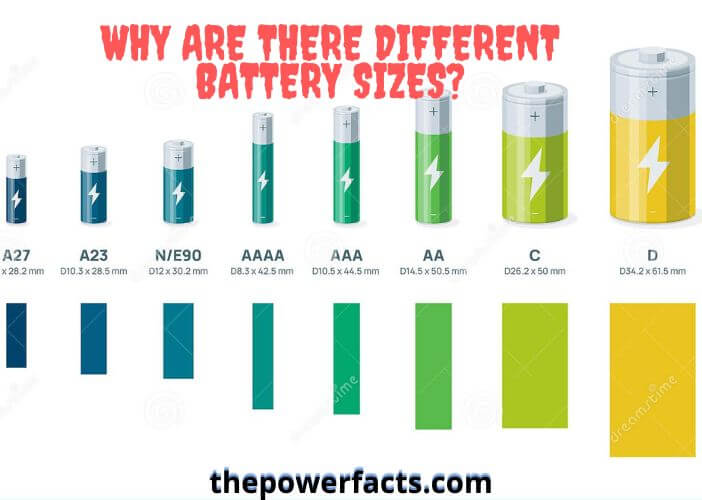
- The “AAA” designation doesn’t actually mean anything specific about the battery's composition or voltage. It’s just a size designation.
- Batteries convert chemical energy into electrical energy. It’s like a tiny, controlled explosion happening inside!
- You can test a battery's voltage with a multimeter. It's a handy tool for any aspiring electrical engineer (or anyone who likes to tinker with stuff).
The End (But the Power Continues!)
So there you have it! A whirlwind tour of AAA battery voltages. Hopefully, you've learned something new and had a little fun along the way. Now go forth and conquer the world, one properly powered device at a time! And remember, always recycle your used batteries responsibly! The planet will thank you.
Keep the juice flowing!