How Many Volts Are In One Amp

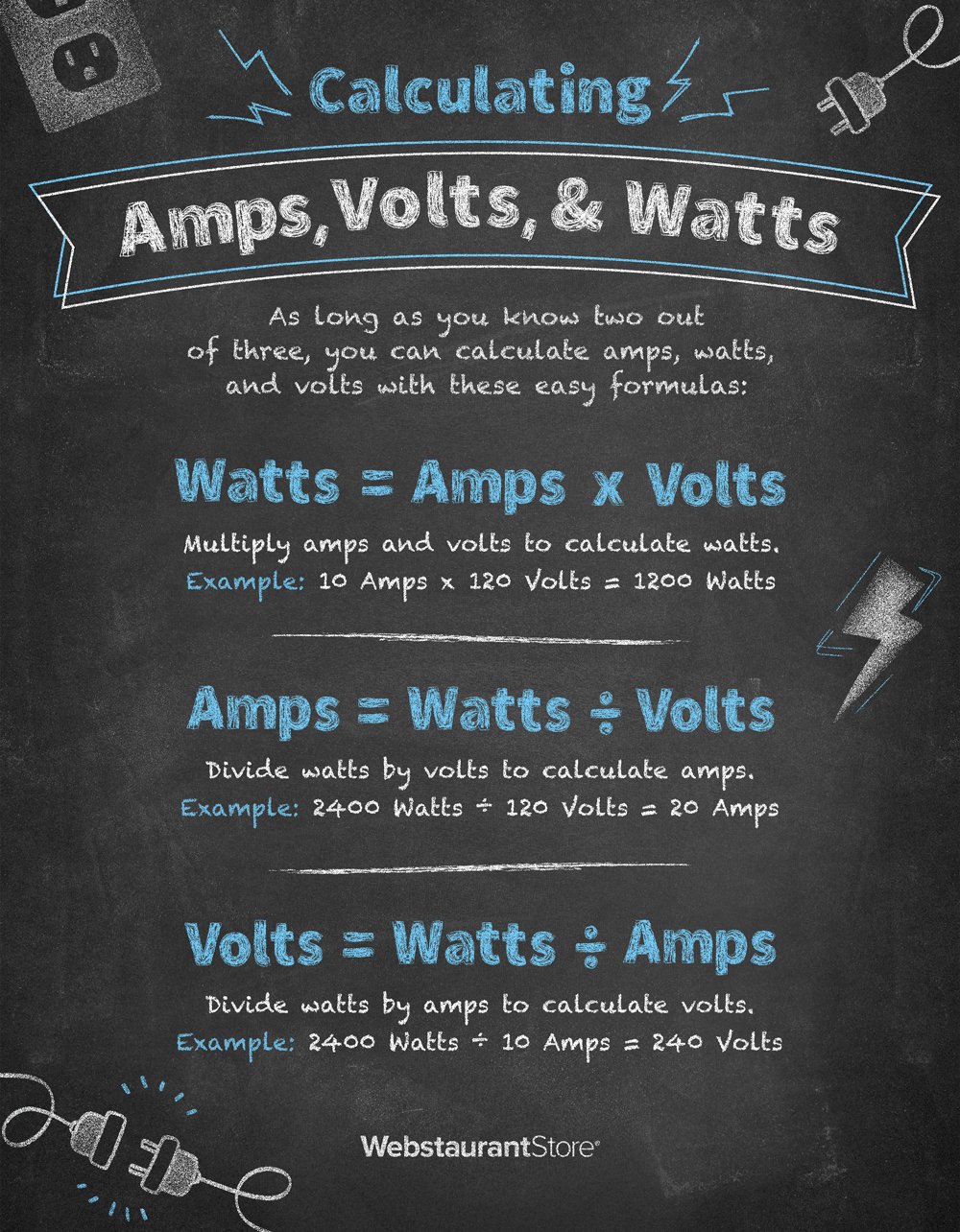
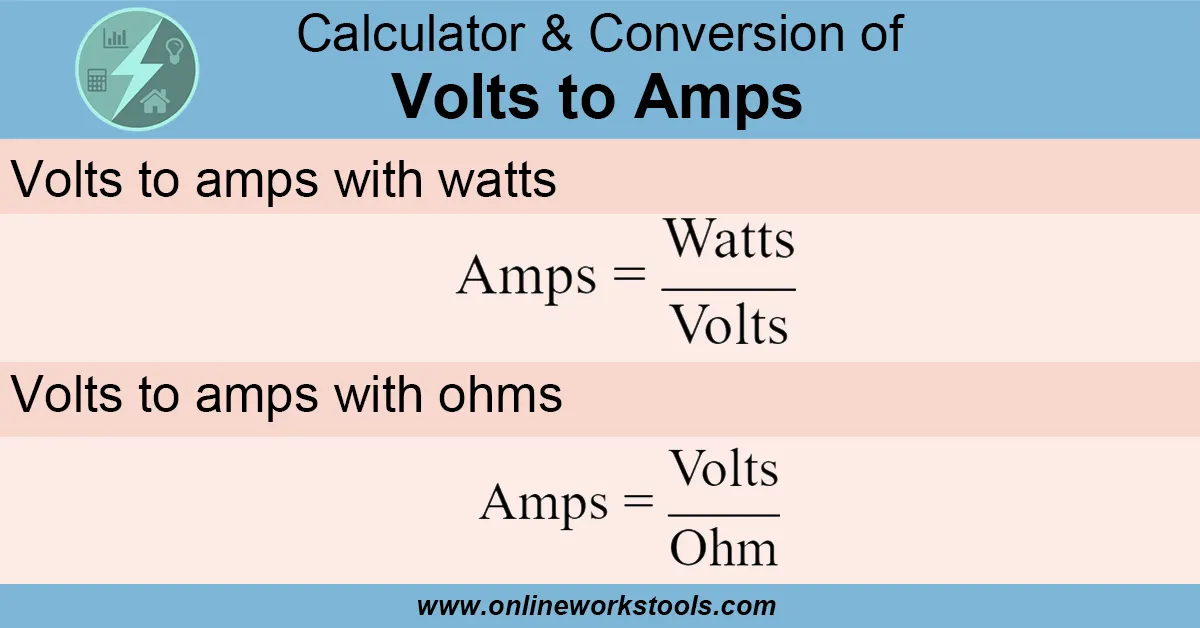
Have you ever found yourself pondering the great mysteries of the universe, like where all the lost socks go, or maybe, just maybe, how many volts are actually chilling out inside one single amp? If you have, congratulations! You've stumbled upon one of the most delightfully tricky and surprisingly common questions in the world of electricity. It’s a bit like asking how many miles are packed into one hour – an interesting thought, but ultimately, they're just not the same kind of thing!
This isn't a trick question designed to make anyone feel silly. Far from it! It’s actually a brilliant starting point for understanding how electricity really works. Think of it as a friendly brain-teaser that unlocks a whole new way of looking at the invisible forces that power our lives. Once you get it, you’ll feel like you’ve been let in on a secret handshake, a little wink from the universe about how things operate.
The Dynamic Duo: Volts and Amps Are Different Beasts!
Imagine electricity flowing through wires like water rushing through a pipe. This is where our story gets fun! When we talk about amps (short for amperes), we're essentially measuring the flow rate of that water. It's about how much water is moving past a certain point in the pipe at any given moment. A lot of amps means a lot of electricity is flowing. Think of a gushing river!
Must Read
Amps measure the "how much" of electricity flowing, like the volume of water moving through a hose.
Now, for volts (short for voltage). Volts are completely different! If amps are the flow rate, then volts are the pressure pushing that water along. High voltage means there’s a big push, a lot of force trying to make the electricity move. Low voltage? Not so much oomph. Imagine a tall waterfall versus a gentle trickle from a faucet. The waterfall has high pressure (voltage), even if the volume (amps) isn't necessarily huge at one specific point.
Volts measure the "push" or "pressure" that gets electricity moving, like water pressure in a pipe.
See? They're both crucial, but they describe entirely different aspects of the same electrical dance. You can have high water pressure but a tiny drip (high volts, low amps), or low pressure but a wide, slow river (low volts, high amps, if the pipe is big enough!). They work together, but one doesn't "contain" the other.
Why This Distinction Is So Entertaining
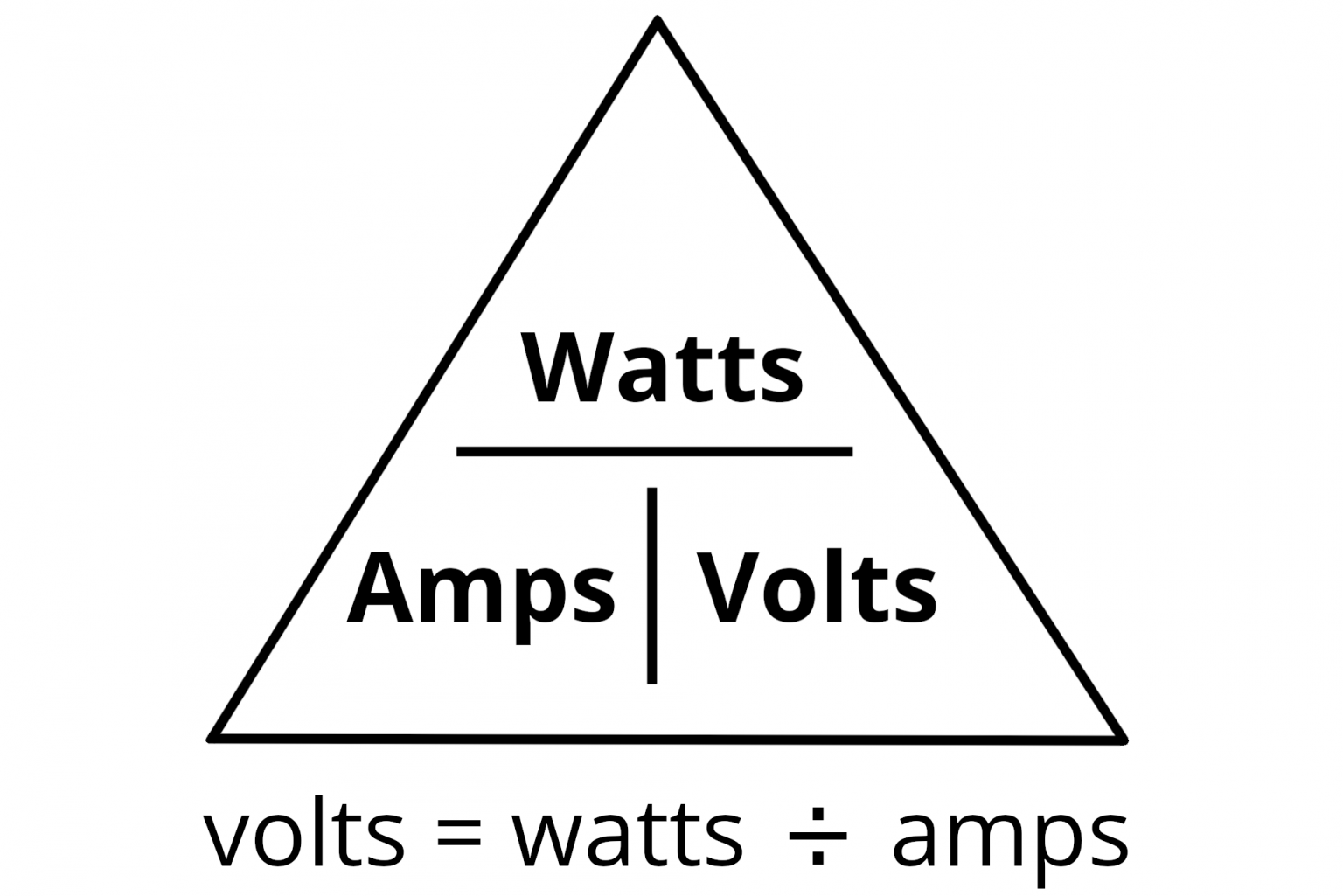
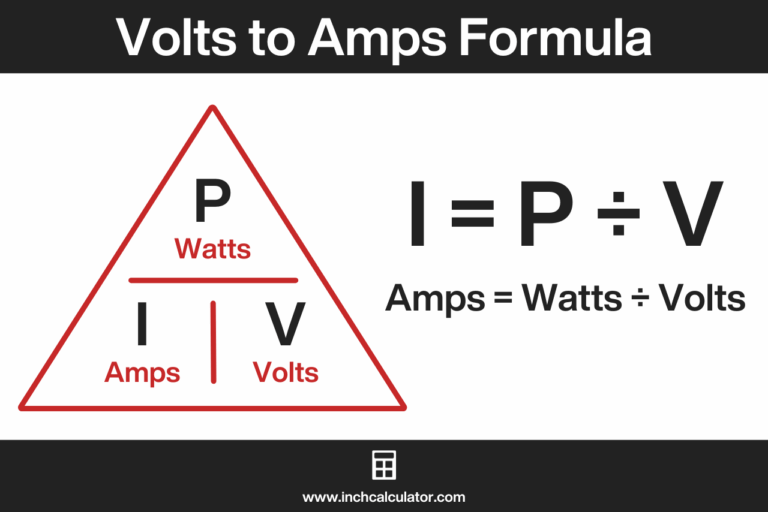
The entertainment value here comes from the initial head-scratcher. It's a moment of delightful confusion that quickly turns into a satisfying "aha!" When you realize volts and amps are distinct, it’s like solving a mini riddle. It makes you feel a little smarter, a little more connected to the hidden machinery of the world. It’s a foundational concept that opens the door to understanding power – which is when volts and amps finally team up to do something amazing.
Understanding this difference is also what makes you appreciate why different devices need different types of power. A tiny LED light needs a low amount of current (amps) and often a low push (volts). A giant industrial motor, on the other hand, needs a lot of both – a huge push and a massive flow!
It's a Conversation Starter!
Next time you’re chatting with friends, casually drop the question: "Hey, how many volts do you think are in an amp?" Watch their faces! It's a fun way to spark curiosity and perhaps even share a little bit of this newfound wisdom. It shows that even in subjects that seem complex, there are simple, elegant truths waiting to be discovered.
So, the next time someone asks you, "How many volts are in one amp?" you can confidently and lightheartedly explain that it's a bit like asking "How many kilometres are in a kilogram?" They're both units of measurement, yes, but for entirely different things! One measures distance, the other mass. And in our electrical world, one measures the push (volts) and the other measures the flow (amps).
Isn't that just brilliantly simple once you think about it? It makes you wonder what other cool, fundamental truths about the world are hiding in plain sight, just waiting for us to ask the "right" kind of "wrong" question. Keep that curiosity sparking, and you might just discover something truly electrifying!