How Many Volts Are In A Battery
Ever picked up a remote control, a kid's toy, or even your phone, and noticed a little label on the battery? You might see things like "1.5V," "9V," or "3.7V." What do those numbers mean? Well, they tell you how many volts are in that battery, and understanding this simple concept is actually pretty fun and incredibly useful for navigating our gadget-filled world!
This isn't just tech jargon for engineers; it's practical knowledge for everyone. For beginners, understanding voltage helps you pick the right battery for the job, preventing frustration or even damage to your beloved devices. You'll stop wondering if that AAA battery will power your TV remote, and simply know. For families, it's a fantastic way to introduce basic science to kids, explaining why some toys need bigger batteries than others, or why you shouldn't mix battery types. It can even save you money by ensuring you buy the correct replacements! And for budding hobbyists or DIY enthusiasts, voltage is paramount. It’s the starting point for any project, from lighting up an LED to powering a small robot. Knowing your volts means your creations actually work, and don't go up in a puff of smoke!
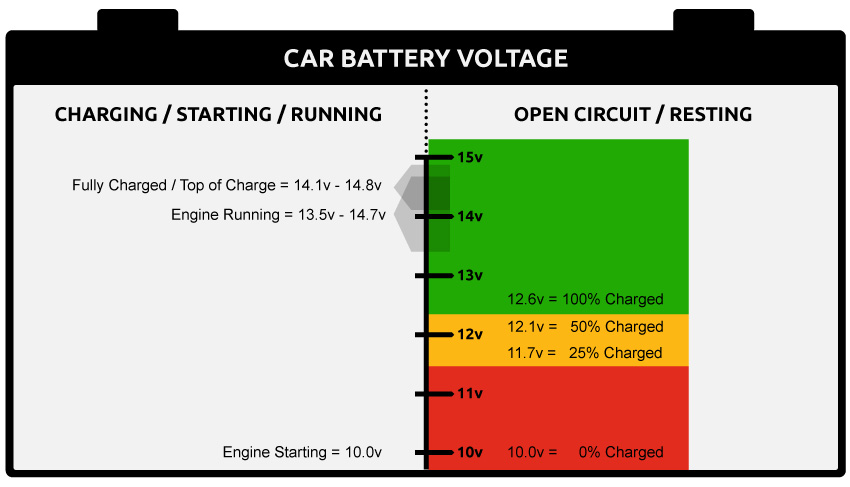
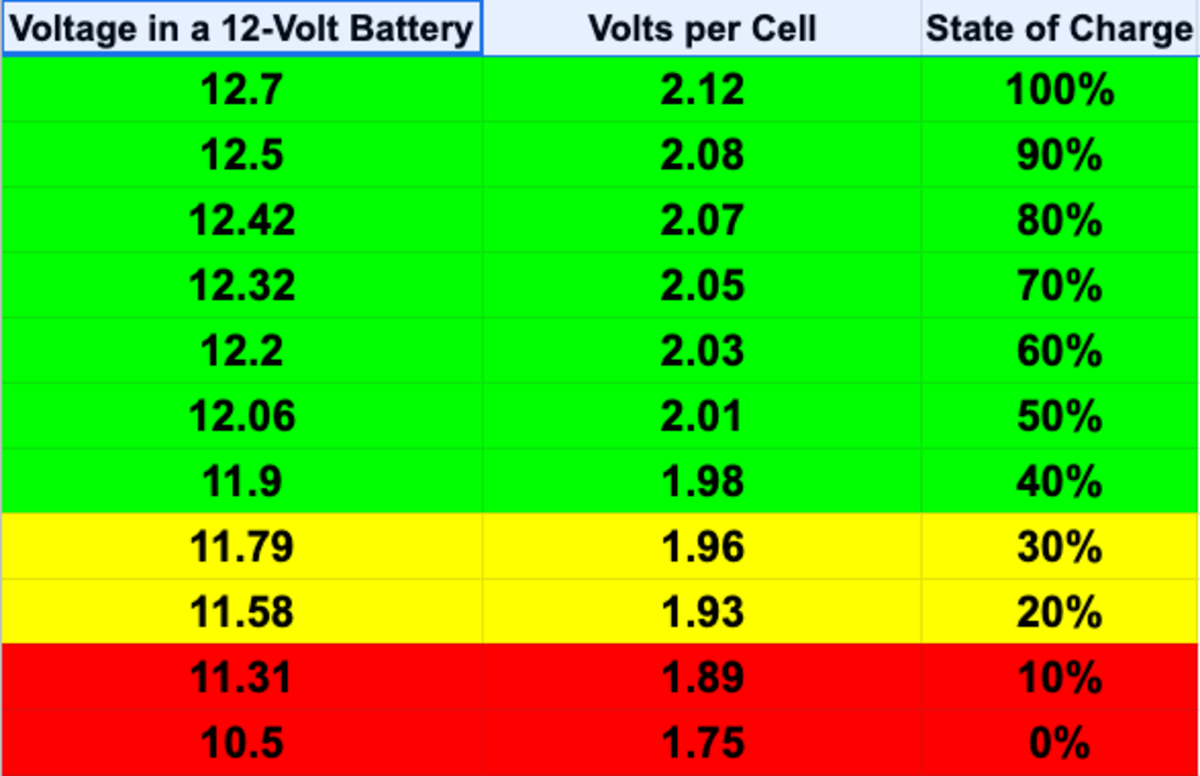
So, what exactly is a "volt"? Think of it like the pressure or push of electricity. A higher voltage means more electrical "oomph" available to power a device. Let's look at some common examples. Most of your everyday batteries like AA, AAA, C, and D cells are typically 1.5 volts (1.5V) each. They're designed for low-power gadgets like clocks, remotes, and flashlights. Then there's the familiar rectangular 9V battery, often used in smoke detectors or guitar pedals, which, you guessed it, delivers 9 volts! Your smartphone's internal battery usually hovers around 3.7V, but laptops often use batteries that are multiples of this, like 11.1V or 14.8V, to provide more power. And don't forget the hefty 12V car battery, which needs a lot of pressure to crank your engine!
Must Read
Getting started with this knowledge is super easy! Here are some simple, practical tips:
- Always check the device's requirements: Most gadgets will clearly state what voltage battery they need. Match it!
- Read the battery label: The voltage (e.g., 1.5V, 9V) is always printed prominently.
- Don't mix voltages: Putting a 1.5V battery where a 9V is needed won't work, and putting a 9V where a 1.5V is needed can damage the device.
- Be aware of rechargeable vs. single-use: Standard alkaline AA batteries are 1.5V, but common rechargeable NiMH AA batteries are usually 1.2V. Most devices can handle this small difference, but it's good to be aware.
Understanding "how many volts are in a battery" transforms you from a casual user into a slightly more informed, confident tech whisperer. It's a small piece of knowledge that enhances your everyday interactions with technology, making things run smoother and helping you enjoy your gadgets even more. So go ahead, flip over that remote and see what voltage you're packing!