
How Many Valence Electrons Are In Phosphorus
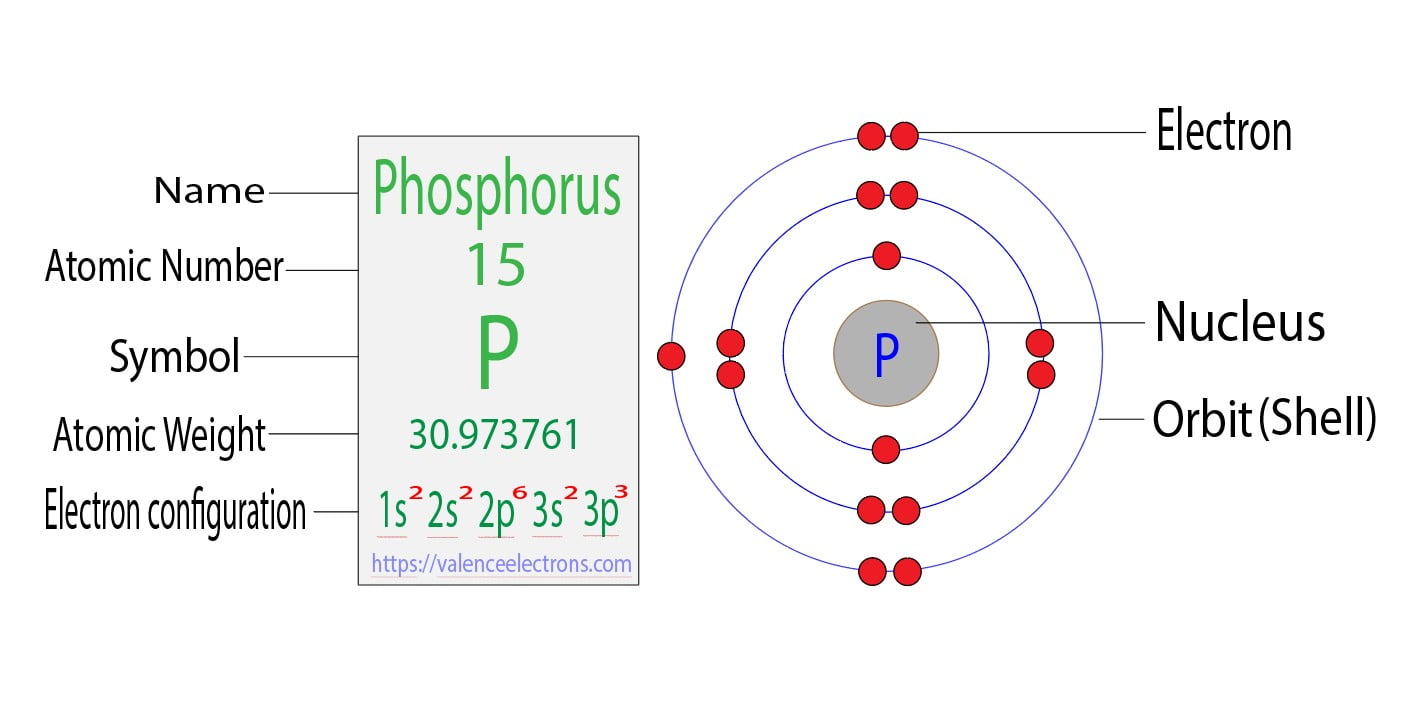
Let's talk phosphorus. You know, that element that makes matches light up? It's also in your DNA! Today, we're diving into its valence electrons.
The Official Answer (and Why I Question It)
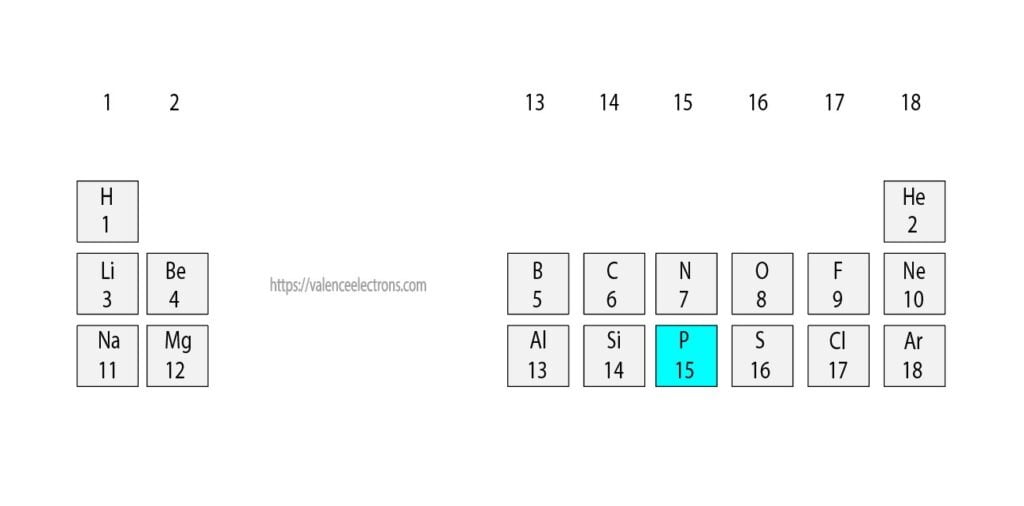
Textbooks everywhere declare phosphorus has five valence electrons. It lives in Group 15 on the periodic table, so it makes sense, right? Five electrons in its outermost shell, ready to bond!
But...is it really five? I have my doubts. And maybe, just maybe, you'll agree with my semi-blasphemous opinion.
Must Read
The Case for Five...Initially
Okay, let's be fair. Phosphorus can form compounds where it appears to use all five valence electrons. Phosphorus pentachloride (PCl5) is a prime example. It looks pretty convincing on paper!
Each chlorine atom happily grabs an electron, making five bonds in total. Case closed? Not so fast!
Here's Where My Rebellion Starts
Consider this: phosphorus often acts like it only has three valence electrons. Think about phosphorus trichloride (PCl3). Much more common, isn't it?
It also loves forming things like phosphine (PH3), a super stinky gas. Three bonds, just like nitrogen, its buddy above it on the table. Coincidence? I think not!
The "Octet Rule" Conspiracy (Sort Of)
Ah, the octet rule. The idea that atoms "want" eight electrons in their outer shell. Phosphorus, with its five valence electrons, seems like it should strive for eight.
But does it really care? Maybe phosphorus is a rebel, too! It's happy with six, sometimes. It doesn't always need that full house of eight electrons. Perhaps its an overachiever, sometimes forming five bonds but prefering three.
My Unpopular Opinion: Phosphorus Has...Three (Mainly)
Here it is. My controversial take. I think phosphorus primarily wants to use three valence electrons.
Yes, it can use five under duress (or in a really good chemical reaction). But at its core, it's a three-electron kind of element. Think of PCl3 and PH3 as evidence A and B.
Why This Matters (Kind Of)
Does this change the world? Probably not. But thinking about the way elements actually behave, rather than just memorizing rules, is important.
Chemistry isn't just about following directions. It's about understanding the quirks and personalities of each element. It's like knowing your friends’ personalities, isn’t it?
The Lone Pair and Its Influence
Even when phosphorus forms three bonds, it still has that lone pair of electrons. Two electrons hanging out on their own. These electrons influence shape and reactivity!
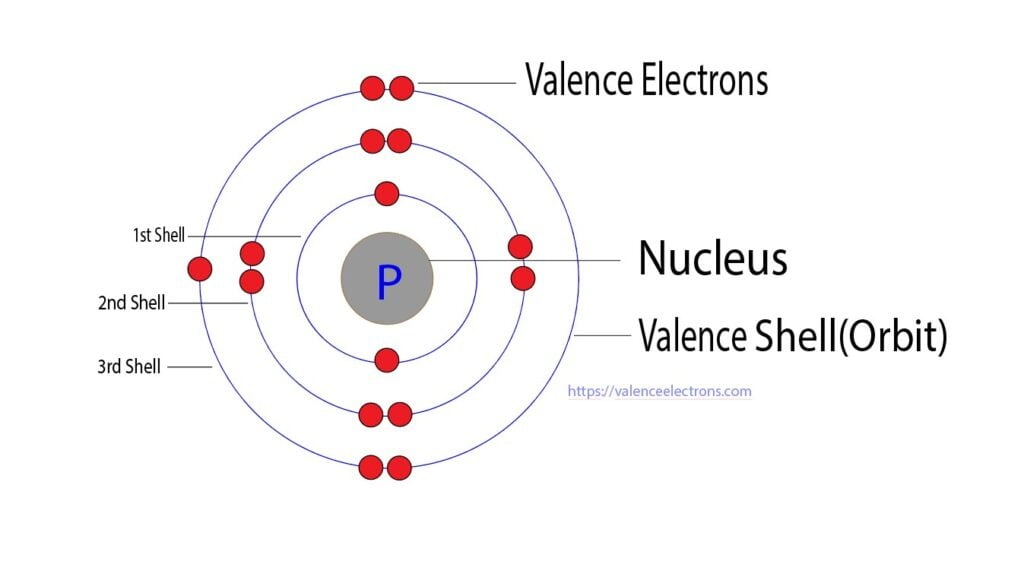
They act like a grumpy cloud of negativity, pushing the other bonds around. This can be a really important factor for molecular geometry.
What About the Expanded Octet?
Some will argue about the expanded octet. The idea that elements like phosphorus can have more than eight electrons around them. It's true, sometimes it does!
But is it the norm? No! Phosphorus seems to break the rule because its d-orbitals become available. It's more like an exception than the rule itself.
So, What’s the Real Answer?
Okay, okay. I can't rewrite the textbooks. Officially, phosphorus has five valence electrons. It's the safe answer.
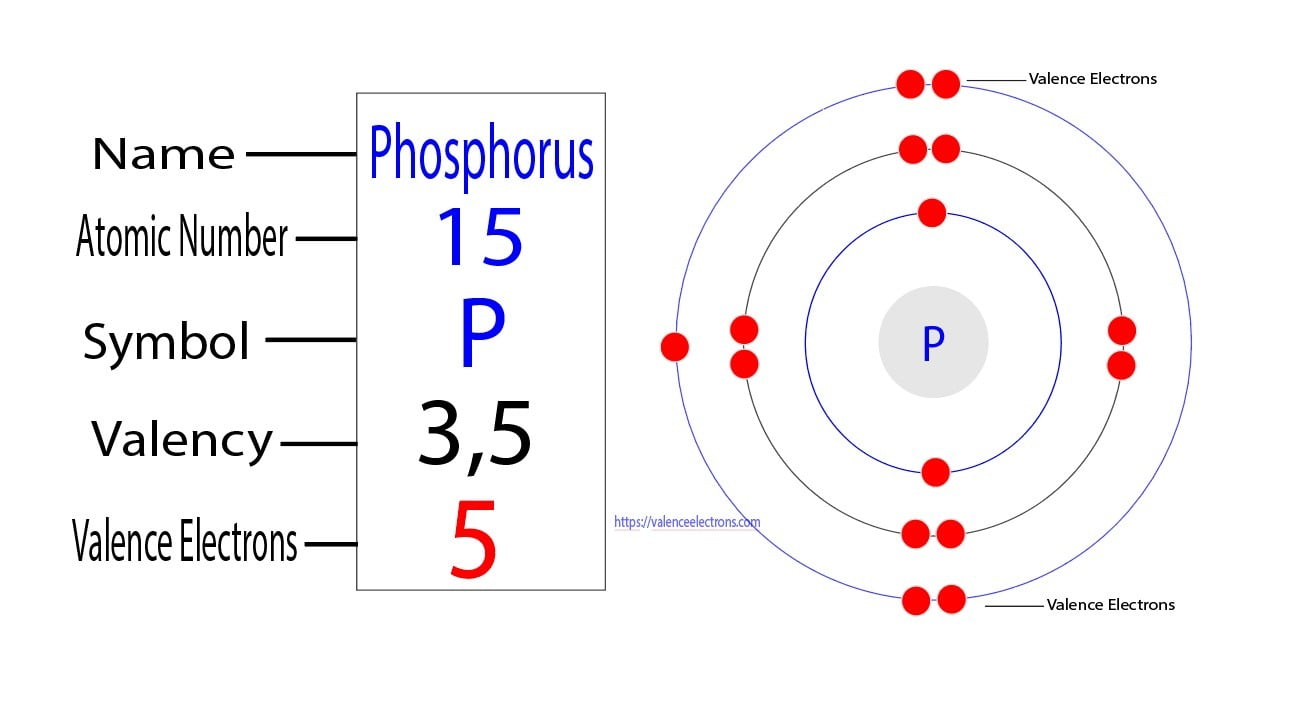
However, consider that phosphorus often acts like it has three. Think about the common compounds it forms. Challenge the status quo!
The Moral of the Story
Don't blindly accept everything you're told. Especially in chemistry! Explore, question, and form your own (slightly rebellious) opinions. Chemistry isn't just about rote memorization.
And maybe, just maybe, you'll side with me in the great phosphorus valence electron debate. Let me know what you think!
Ultimately, understanding how phosphorus behaves in different situations is key. The number of valence electrons is a tool for understanding. Not an immutable law.