
How Many Tons Of Ac Per Sq Ft

Ah, the sweet symphony of a perfectly air-conditioned room. That glorious moment when you step in from a scorching summer day, and a wave of cool, dry air washes over you. Pure bliss, right? We all crave that perfect indoor climate, but have you ever stopped to wonder about the magic behind it, particularly when people start throwing around terms like "tons of AC"?
It sounds rather industrial, doesn't it? Like your living room needs a forklift to hoist in its cooling capacity. But fear not, we're not talking about literal weight here! Let's demystify this common question: How many tons of AC per square foot?
Unpacking the "Ton" of AC
First things first: a "ton" of air conditioning has absolutely nothing to do with the actual weight of the unit. It's a throwback to the days before mechanical refrigeration, when ice was king for keeping things cool. Picture this: one ton of cooling capacity refers to the amount of heat energy required to melt one ton (2,000 pounds) of ice in a 24-hour period. In modern terms, that translates to 12,000 BTUs per hour (BTU/hr). A BTU, or British Thermal Unit, is simply a measure of heat energy.
Must Read
So, when you hear someone say their house needs a "3-ton AC unit," they're really saying it needs an AC system capable of removing 36,000 BTUs of heat per hour from their home. Pretty cool, huh? (Pun absolutely intended).
The Square Footage Myth: It's Not a Simple Ratio!
Now, to the core of your question: "How many tons of AC per square foot?" This is where things get a little less straightforward than a simple multiplication sum. While square footage is definitely a major factor, it's never the only one. Thinking it's a fixed ratio is like trying to decide what size shoes you need based only on your height – you're missing a lot of crucial details!

There's a common, rough estimate floating around that you might need about one ton of AC for every 400-600 square feet. But and this is a big "but" – this is a very loose guideline. Relying solely on this figure is a common pitfall that can lead to an AC unit that's either too big (wasting energy and creating humidity problems) or too small (leaving you sweaty and frustrated).
The True Influencers: Beyond Square Footage
So, if not just square feet, what else dictates the perfect AC size for your sanctuary? Grab a refreshing drink, because here are the real heroes and villains of AC sizing:
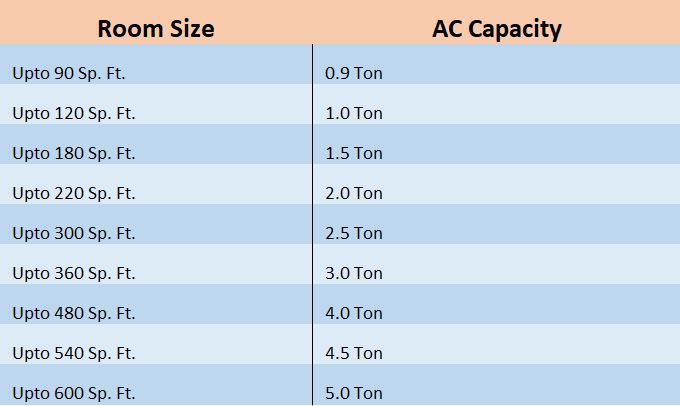
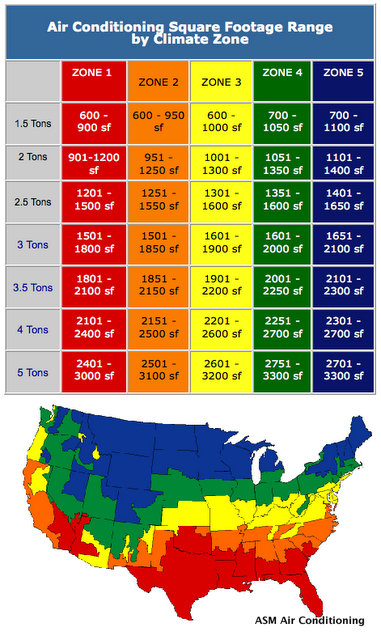
- Your Climate Zone: Living in scorching Phoenix, Arizona, requires a much beefier AC than, say, a cool coastal town in Oregon. The average outdoor temperature and humidity levels play a huge role.
- Insulation Levels: Think of insulation as your home's winter coat and summer shield. A well-insulated home (walls, attic, windows) keeps heat out, meaning your AC doesn't have to work as hard. This is huge for efficiency.
- Windows, Windows, Windows: How many? What size? Which direction do they face? South-facing windows, especially those without good shading or energy-efficient glass, let in a tremendous amount of solar heat gain.
- Ceiling Height: Higher ceilings mean more air volume to cool, naturally requiring more cooling capacity.
- Number of Occupants: Humans are little heat machines! A bustling family of five generates significantly more body heat than a single person.
- Appliances: Ovens, computers, TVs, even fancy espresso machines – they all generate heat, adding to your home's cooling load.
- Ductwork Quality: Leaky ducts lose a surprising amount of cooled air before it even reaches your rooms. It’s like pouring water into a sieve!
The Smart Move: Don't Guess, Get a Pro!
Given all these variables, the best advice for determining the right AC size is simple: don't guess! This isn't a DIY project for even the most enthusiastic homeowner. A qualified HVAC professional will perform a detailed calculation called a "load calculation" (often using ACCA Manual J guidelines). They'll take into account every single factor mentioned above, ensuring you get a system that's perfectly sized for your unique home.
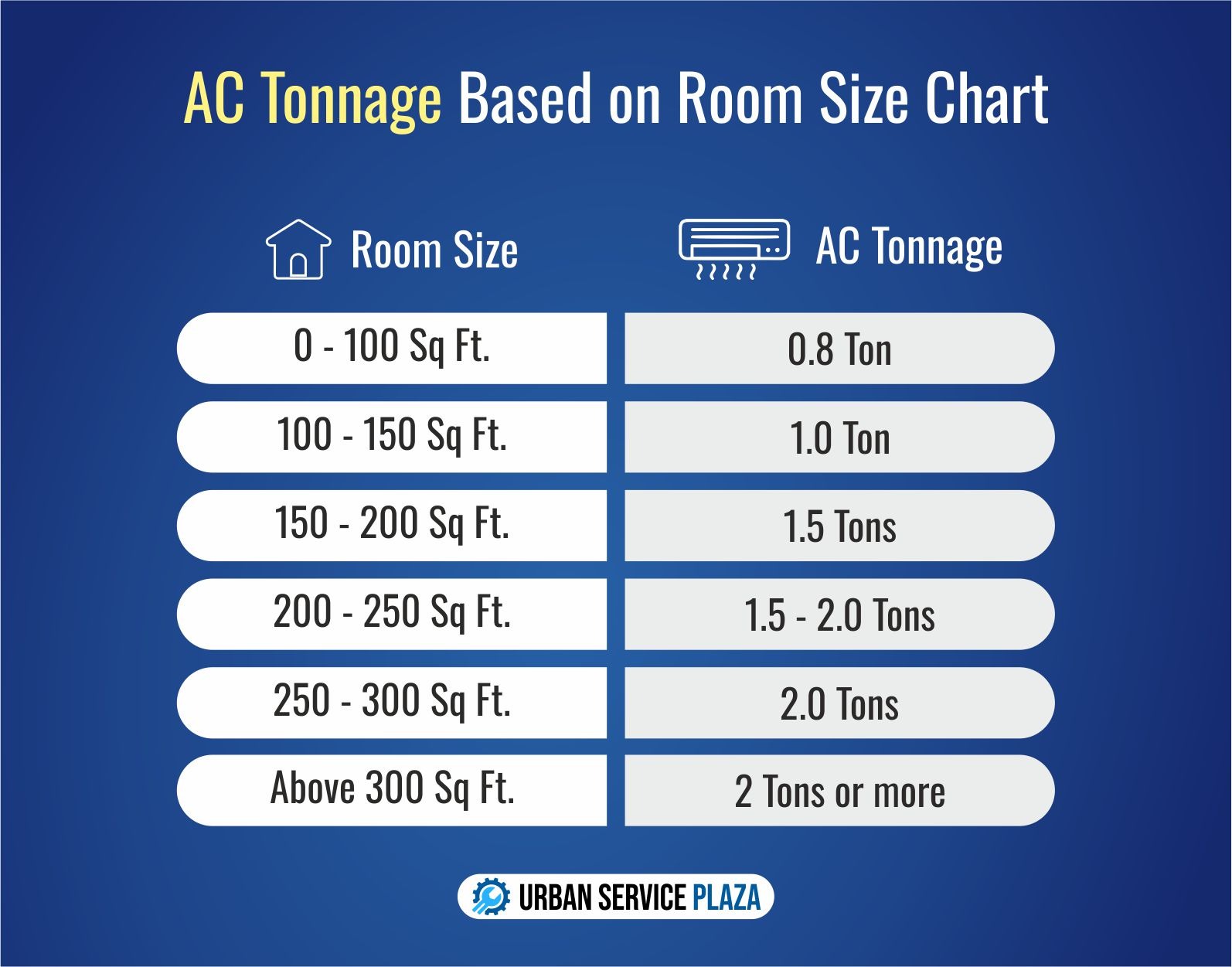
This isn't just about comfort; it's about efficiency and saving money in the long run. An oversized unit will cycle on and off too frequently (short-cycling), leading to poor dehumidification (hello, clammy air!) and increased wear and tear. An undersized unit will run constantly, struggling to keep up, inflating your energy bills and eventually burning out prematurely.
Beyond the Tons: Practical Tips for Cool Living
Even with the perfect AC, there are everyday habits that can enhance your comfort and save energy:
- Smart Thermostats: Invest in a smart thermostat that learns your habits or allows you to program schedules. It's like having a personal climate assistant!
- Regular Maintenance: Change those filters monthly! A clogged filter is an AC unit's worst enemy, forcing it to work harder and consume more energy.
- Strategic Shading: Close blinds or curtains on sunny windows during the hottest part of the day. Exterior awnings are even better for blocking heat before it enters your home.
- Seal Those Leaks: Weatherstrip doors and seal cracks around windows. Every little bit of outside air that sneaks in makes your AC's job tougher.
Your Comfort, Your Control
So, while the idea of "tons per square foot" is a good starting point for a casual chat, remember that your home's cooling needs are a nuanced symphony of many elements. Embracing the journey to understanding these factors, and consulting with experts, empowers you to create an environment that's not just cool, but perfectly comfortable.
It's about more than just numbers; it's about coming home, kicking off your shoes, and feeling that instant wave of relief – knowing you've created a personal oasis that truly works for you. Isn't that what modern living is all about?