
How Many Ton Air Conditioner For 2000 Square Feet

Okay, so you're staring at that thermostat, sweat dripping down your brow, and wondering, "How much AC oomph do I need to cool this 2000 square foot palace of mine?" Well, my friend, you've come to the right place. Let's dive into the quirky world of BTU's, tonnage, and the eternal quest for indoor comfort.
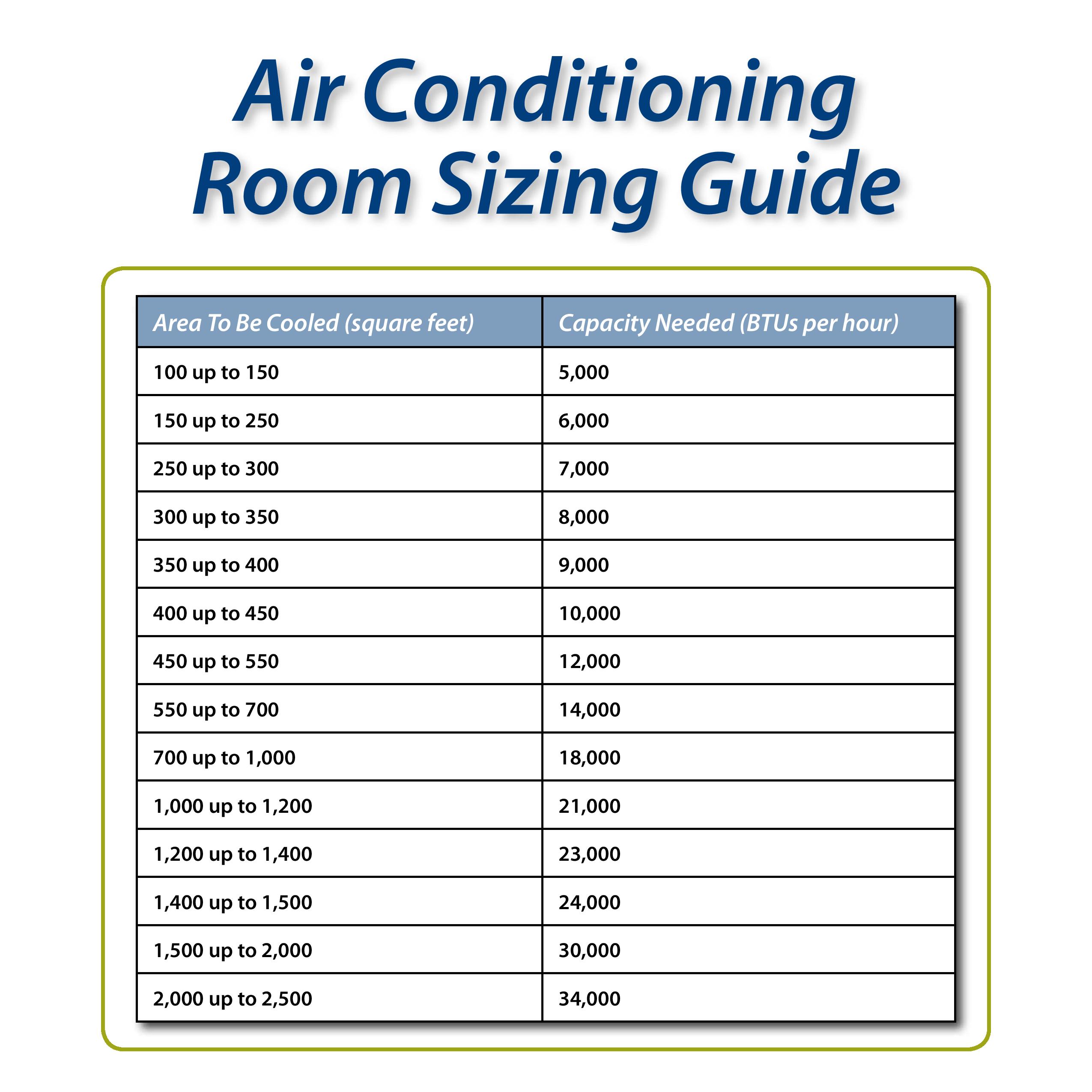
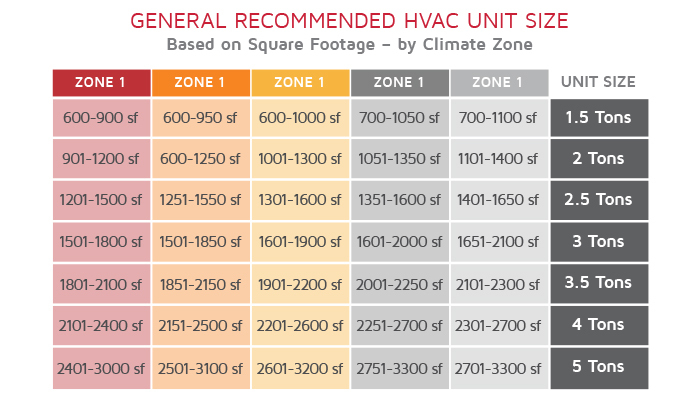
First things first: the magic number you’re probably looking for is 4 tons. Yep, that’s generally the sweet spot for a 2000 square foot home. But hold your horses (or your window units, if that’s your jam) – it's not quite as simple as shouting "Four tons!" and hoping for the best. Think of it like ordering pizza: you wouldn't just order a pizza, right? You'd consider toppings, crust thickness, and whether you're feeling particularly ravenous after a marathon of watching cat videos.
So, what else comes into play besides just square footage? Buckle up, because we're about to embark on a slightly nerdy (but totally important) journey.
Must Read
Factors that Throw a Wrench in the Works (or Make Your AC Work Overtime)
Insulation: Imagine your house is a giant ice cooler. Good insulation is like having a super-thick, Yeti-approved cooler. Bad insulation? It's like trying to keep ice frozen in a paper bag on a sunny beach. If your insulation is, shall we say, vintage (code for "terrible"), you'll need more AC power to compensate. Consider beefing up your insulation if you're constantly battling sweltering indoor temps, or prepare for an astronomical electricity bill that will make you question your life choices.
Climate: Are you living in the Sahara Desert 2.0 (aka Arizona)? Or are you enjoying the perpetually mild weather of San Francisco? The hotter the climate, the stronger the AC you'll need. Makes sense, right? It's like needing a bigger umbrella in a monsoon versus a light drizzle.
Sun Exposure: Think of your windows as tiny sun portals beaming heat directly into your living room. The more windows you have, especially if they face south or west, the more heat you'll be battling. Consider investing in some blackout curtains or, if you're feeling fancy, solar screens. They're like sunglasses for your house, protecting it from those harsh UV rays and keeping things cool.
Ceiling Height: High ceilings look amazing, right? They give your space that grand, airy feel. But guess what? All that extra volume means your AC has to work harder to cool the entire space. It's like trying to fill a swimming pool with a garden hose versus a fire hose. If you've got soaring ceilings, you might need to bump up that tonnage a bit.
Number of People: Believe it or not, people generate heat. It's a scientific fact! (Okay, maybe not that surprising). If you’re hosting a permanent dance party with 20 of your closest friends, your AC will be working overtime just to keep everyone from turning into a sweaty mess. Fewer people, less heat. More people, more sweat... and the need for a more powerful AC.
BTUs and Tonnage: Decoding the AC Lingo
Okay, let's get down to the nitty-gritty. AC power is measured in BTUs (British Thermal Units). Don't ask me why they're called British Thermal Units. Just accept it and move on. One ton of AC equals 12,000 BTUs. So, for a 2000 square foot home, we’re generally talking about a 48,000 BTU unit (4 tons x 12,000 BTUs/ton).
But remember those factors we just discussed? They can shift the BTU requirement. A super-insulated home in a moderate climate might get away with slightly less, while a poorly insulated home in a scorching climate might need a bit more.
The "Right-Sizing" Conundrum
You might be thinking, "Hey, why not just get the biggest, baddest AC unit I can find? More is always better, right?" Wrong! An oversized AC unit is actually inefficient. It will cool your home too quickly, without properly dehumidifying the air. This leads to a clammy, uncomfortable feeling and, ironically, higher energy bills. Plus, the constant on-off cycling can shorten the lifespan of your unit.
On the flip side, an undersized AC unit will run constantly, struggling to keep your home cool. This also leads to higher energy bills and premature wear and tear.

The Goldilocks solution? Right-sizing your AC unit. Find the unit that's just right for your home's specific needs. How? By considering all those factors we discussed and, ideally, consulting with a qualified HVAC professional.
Don't Be a DIY Disaster: Call in the Pros
Look, I'm all for DIY projects. But installing an AC unit is not like hanging a picture. It involves electrical wiring, refrigerant lines, and a whole lot of potential for things to go horribly wrong. Unless you're a trained HVAC technician, leave it to the professionals. They'll ensure your unit is properly sized, installed, and functioning efficiently. Plus, they can offer valuable advice on energy-saving tips and maintenance.
So, there you have it. The answer to "How many tons for 2000 square feet?" is generally 4 tons, but with a whole lot of "it depends." Consider your insulation, climate, sun exposure, ceiling height, and the number of people living in your home. And, for the love of all that is cool and comfortable, consult with a qualified HVAC professional before making any major decisions. Your wallet (and your sanity) will thank you.