How Many Tablespoons Are In 30 Grams
Let's face it, we've all been there. Staring at a recipe, frantically searching through drawers for the right measuring cup, and questioning the kitchen gods about the difference between grams and tablespoons. Cooking and baking can be a source of immense joy. From the satisfying sizzle of garlic in olive oil to the comforting aroma of a freshly baked loaf, creating food is a beautiful blend of science and art. But sometimes, a little kitchen conversion conundrum can throw a wrench in the works! Today, we're tackling a common one: how many tablespoons are in 30 grams?
Understanding kitchen conversions isn't just about following recipes to the letter; it's about empowering yourself in the kitchen. It gives you the freedom to adapt, substitute, and even create your own culinary masterpieces. Imagine being able to halve a recipe effortlessly when you're cooking for one, or easily adjust ingredients based on what you have on hand. Knowing these basic conversions can save time, reduce waste, and boost your confidence as a home cook or baker.
This knowledge comes in handy more often than you think! Think about measuring out flour for thickening a sauce, adding sugar to your morning coffee, or even portioning out protein powder for your post-workout shake. Recipes from different countries often use different measurement systems, so being able to convert grams to tablespoons (or vice versa) is essential for recreating your favorite dishes from around the world. It also allows for more accurate measurements, especially when dealing with ingredients like spices or baking powder where precision is key for optimal flavor and rise.
Must Read
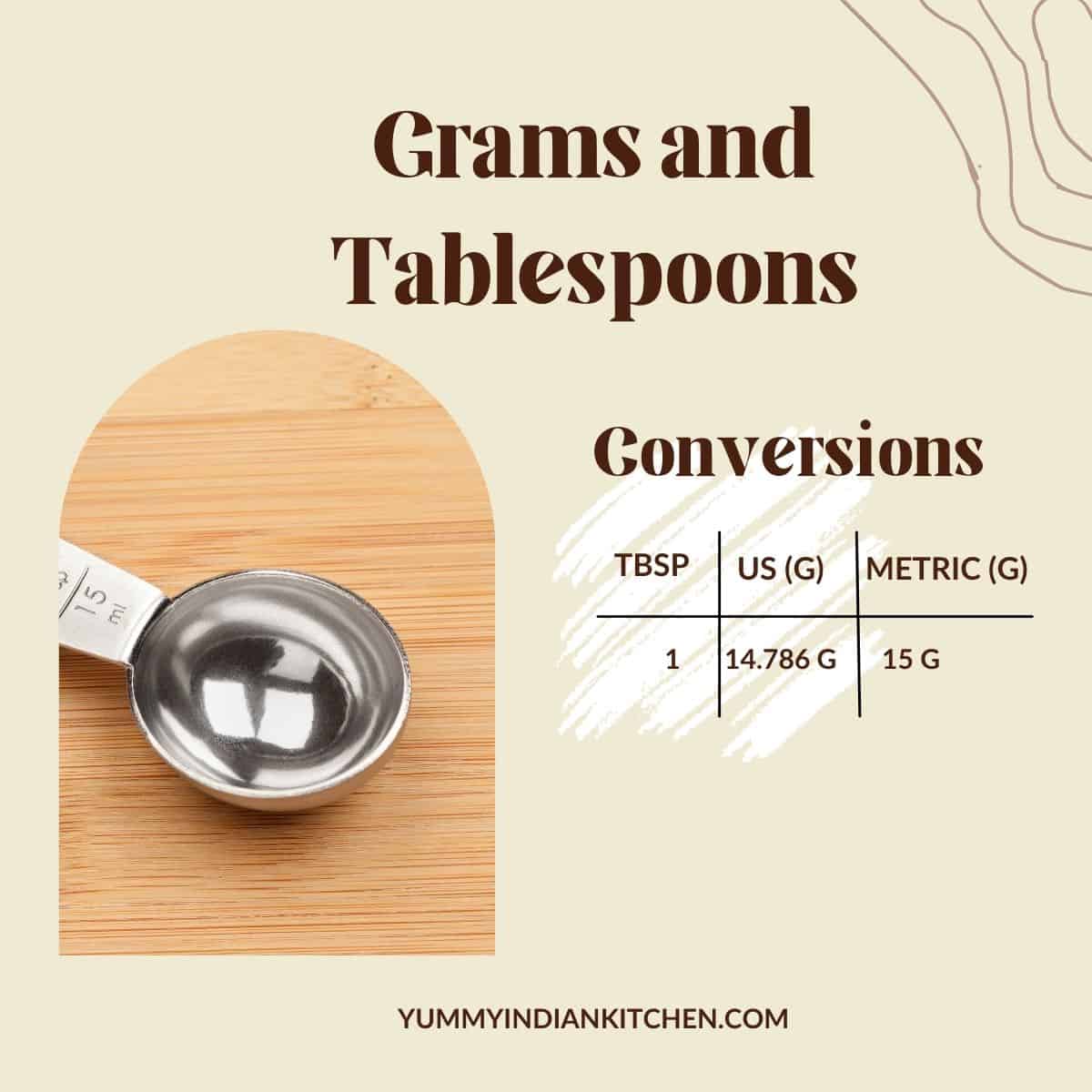
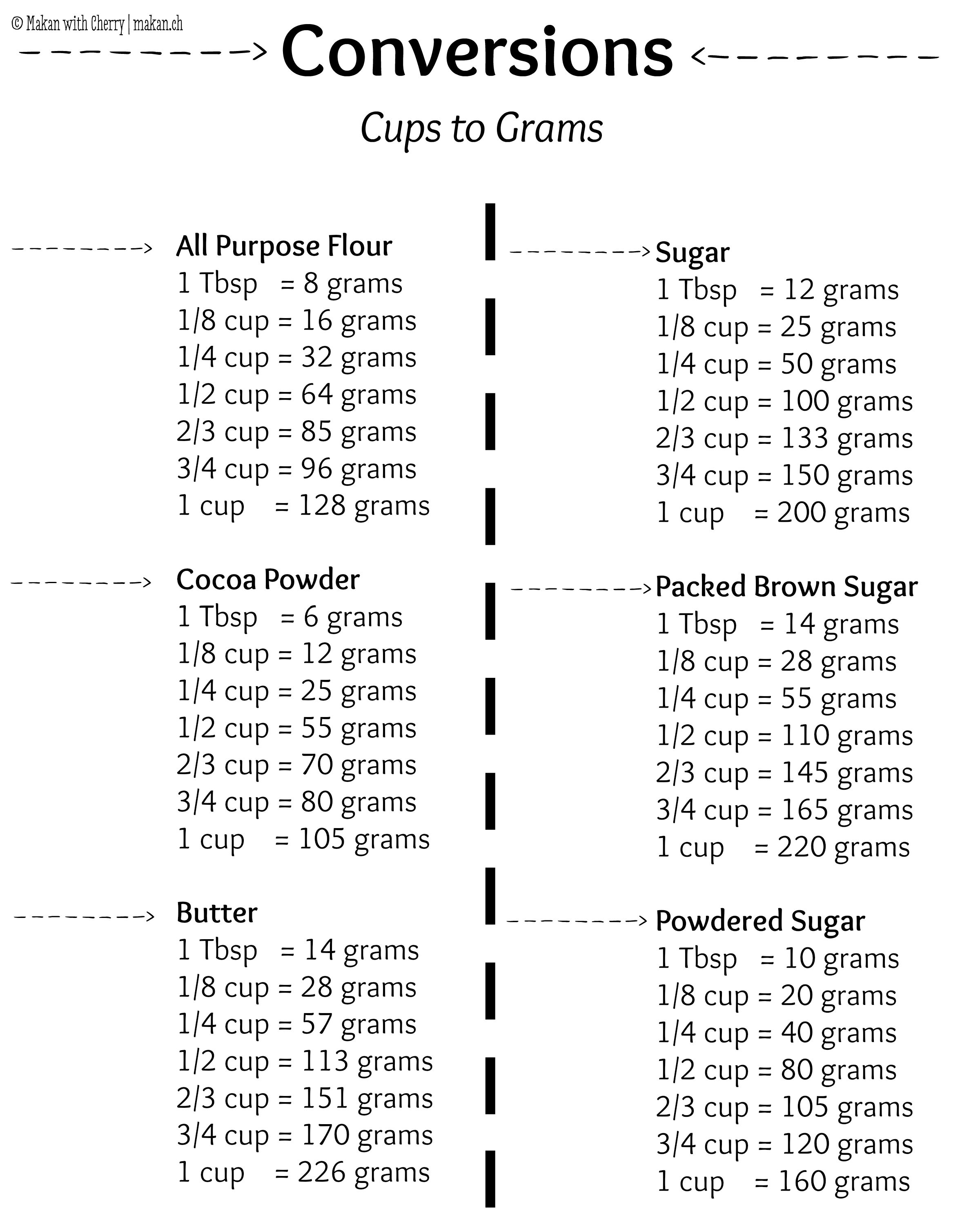
Now, for the answer! The truth is, the exact number of tablespoons in 30 grams depends on the density of the ingredient you're measuring. 30 grams of feathers will take up much more space than 30 grams of lead! However, for common kitchen staples, we can make some estimations. For water, 30 grams is approximately equal to 2 tablespoons. For granulated sugar, it's also around 2 tablespoons. Flour, being lighter, will be slightly more than 2 tablespoons. However, it's always best to use a kitchen scale for accurate measurements, especially when baking. Baking is a science, and precision matters!

So, how can you enjoy kitchen conversions more effectively? Here are a few practical tips:
- Invest in a Kitchen Scale: This is the single best tool for accurate measurements. A digital scale is relatively inexpensive and will make your life much easier.
- Use Conversion Charts and Apps: Keep a handy conversion chart on your fridge or download a kitchen conversion app on your phone. These are great resources for quick lookups.
- Understand Density: Remember that different ingredients have different densities. A gram of something heavy will take up less space than a gram of something light.
- When in Doubt, Weigh It Out: If accuracy is critical, always use a kitchen scale for the most precise measurements.
- Embrace the Imprecision: Sometimes, a little bit of wiggle room is okay. Don't be afraid to experiment and adjust recipes to your liking!
Ultimately, understanding kitchen conversions is about becoming a more confident and creative cook. So, embrace the grams, tablespoons, and everything in between. Happy cooking!