
How Many Square Feet Per Ton Of Air Conditioning
Let's face it, talking about air conditioning might not sound like the most thrilling topic. But trust me, understanding how much cooling power you need for your space is actually pretty empowering! Think of it as unlocking the secret to optimal comfort and avoiding sky-high energy bills. This isn't just about being comfortable; it's about being smart and saving money.
So, what's the big deal with square feet and tons when it comes to AC? Well, a "ton" in AC terms isn't about weight. It's a unit of measurement representing the amount of heat an air conditioner can remove in one hour. It's based on the amount of heat needed to melt one ton of ice in 24 hours – a slightly obscure but effective way to quantify cooling capacity. The purpose of understanding the relationship between square footage and AC tonnage is simple: to ensure you have the right-sized AC unit for your home or office. An undersized unit will struggle to cool the space, leading to discomfort and increased energy consumption. An oversized unit will cycle on and off too frequently, which can be inefficient and shorten the lifespan of the equipment.
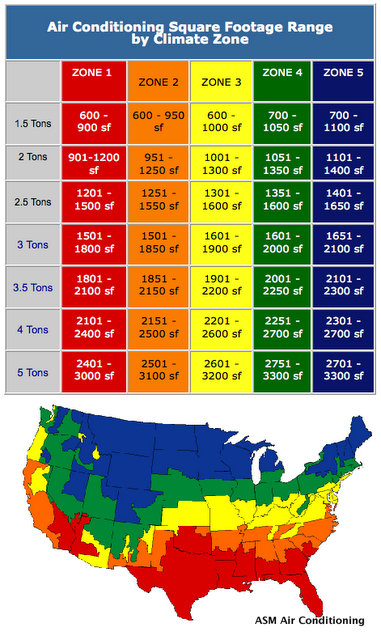
The general rule of thumb is that you'll need about 1 ton of air conditioning for every 400 to 600 square feet of space. However, this is just a starting point! Several factors can influence this ratio. Think of it like baking a cake – you can't just blindly follow the recipe without considering your oven, ingredients, and altitude. Similarly, several factors play a crucial role in determining the correct AC tonnage for your specific needs:
Must Read
- Climate: Hotter climates will require more cooling power per square foot than milder climates.
- Insulation: Well-insulated homes require less AC capacity.
- Window size and type: Large, single-pane windows allow more heat to enter, necessitating a more powerful AC unit.
- Sun exposure: Rooms with significant sun exposure will need more cooling.
- Ceiling height: Higher ceilings increase the volume of air to be cooled.
- Number of occupants: More people generate more heat.
Therefore, while the 400-600 square feet per ton guideline provides a basic estimate, it's essential to consider these other factors. For example, a poorly insulated home in a scorching climate with large, sun-facing windows might require closer to 400 square feet per ton, while a well-insulated home in a moderate climate with smaller windows could potentially get away with 600 square feet per ton.
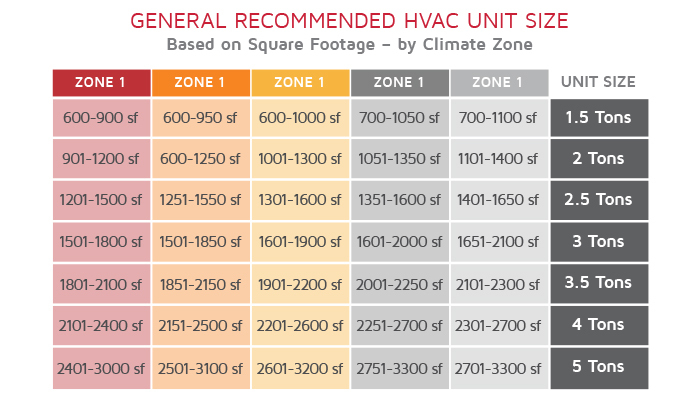
Instead of relying solely on these guidelines, consider consulting with a qualified HVAC professional. They can perform a load calculation, which is a detailed assessment of your home's cooling needs based on all the relevant factors. This ensures you get the most efficient and effective AC system for your space. They'll assess everything from your window efficiency to the direction your house faces. Getting the right AC is an investment, and professional advice guarantees you won't waste your money on the wrong size!
In conclusion, while 400-600 square feet per ton is a helpful starting point, remember that it's just a guideline. Understanding the influencing factors and consulting with an HVAC professional is crucial for ensuring you choose the right AC system for optimal comfort and energy efficiency. So, go forth and conquer the heat, armed with this newfound knowledge!


