
How Many Solar Watts Do I Need

So, you’re finally thinking about ditching the utility bill tango. The sun is calling, batteries are blinking, and your mind races with exciting possibilities. Then, the inevitable, slightly terrifying question pops into your head: “How many solar watts do I actually need?”
You start picturing spreadsheets, complex calculators, and maybe even a small, confused gnome trying to add up all your appliances. Fear not, brave sun-seeker! We're here to whisper a delightfully unpopular opinion, one that might just make you smile.
You Probably Need Less Than You Think!
Yes, you heard that right. Forget the endless debates on forums, the terrifying charts, and the lurking feeling that you need enough watts to power a small space station. Most of us, bless our energy-guzzling hearts, wildly overestimate our solar needs.
Must Read
It's like planning a week-long camping trip and bringing enough food for a month-long expedition, just in case. You end up lugging around extra weight you never touch. Your solar journey can feel a lot like that.
“The real question isn't 'how many watts do I need?' but 'how many watts can I happily live with?'”
The Great Appliance Illusion
Let's be honest. We all have that one appliance, perhaps a super-blender or a dusty treadmill, that gets used twice a year. Yet, when calculating solar, we often include it as if it's running 24/7. It’s like feeding a pet dinosaur you don't even own!
Think about your actual daily routine, not your wildest, most energy-intensive fantasy day. Your toaster oven might be a powerhouse, but it only demands attention for a few minutes each morning. Your washing machine probably isn't churning constantly.
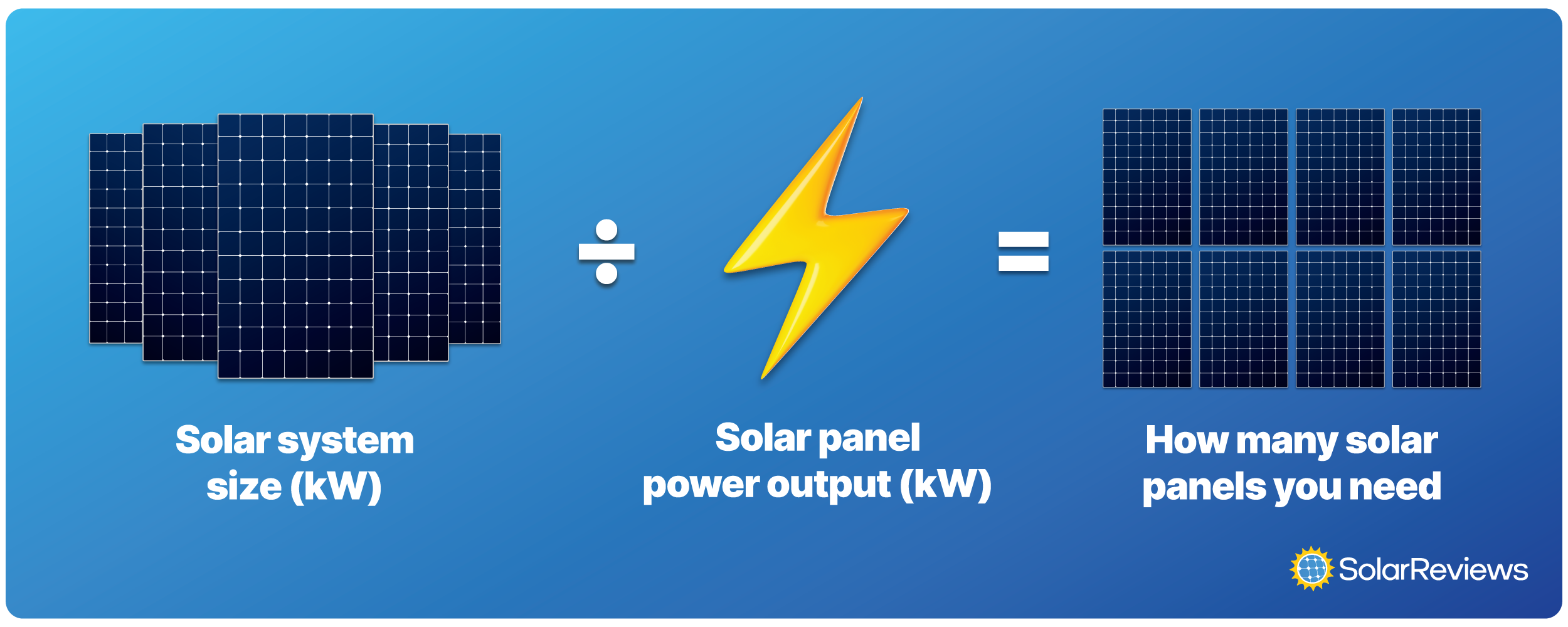
We often fall prey to the "just in case" mentality. "What if I decide to start a commercial bakery from my garage?" we ponder, nervously adding more panels to the list. This mindset can lead to a massively oversized, and therefore expensive, solar system.
It's important to differentiate between what an appliance could draw and what it actually draws during typical use. That big screen TV sounds scary, but its average power consumption is likely much lower than its peak rating. Understanding this distinction is key.
Then there are the sneaky energy vampires, lurking in every corner of your home. Your television on standby, the forgotten phone charger, or even that perpetually glowing clock on the microwave. These phantom loads silently sip away at your power, adding up over time.
Before you even think about generating watts, consider banishing these energy nibblers. Unplugging devices when not in use is like finding free watts hiding in plain sight. It’s a small effort with a surprisingly big reward.
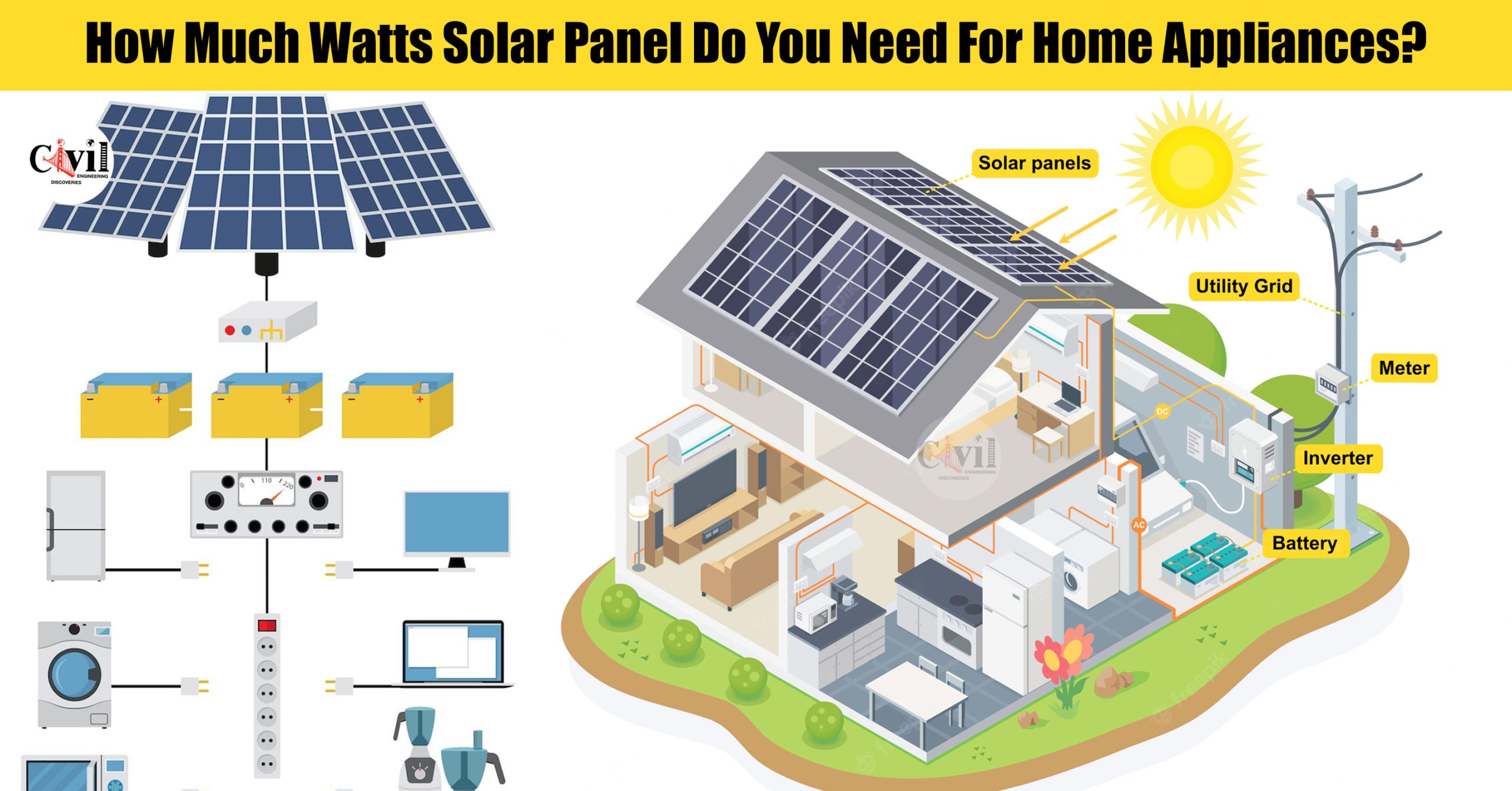
Embrace the Efficiency First
Here’s the true secret to unlocking solar freedom: focus on reducing your need before you focus on generating. It’s like deciding to run a marathon and first buying lighter shoes, rather than just training for an impossible pace. Efficiency is your best friend.
Switching to LED lighting is a no-brainer; it's practically a solar superhero. Upgrading old, power-hungry appliances to energy-efficient models can slash your consumption significantly. These changes mean you need fewer panels and a smaller battery bank.
Imagine the delightful feeling of needing less! It translates directly into a more affordable, more manageable, and often more robust solar system. It’s a concept that feels almost rebellious in our "more is more" society, but it’s wonderfully practical.
Your Solar Journey, Not a Race
Think of your solar system as a living, evolving entity, not a static beast you build once and forget. You can start smaller, observe your actual usage, and then expand if truly needed. It’s like gardening; you don't plant every seed at once.
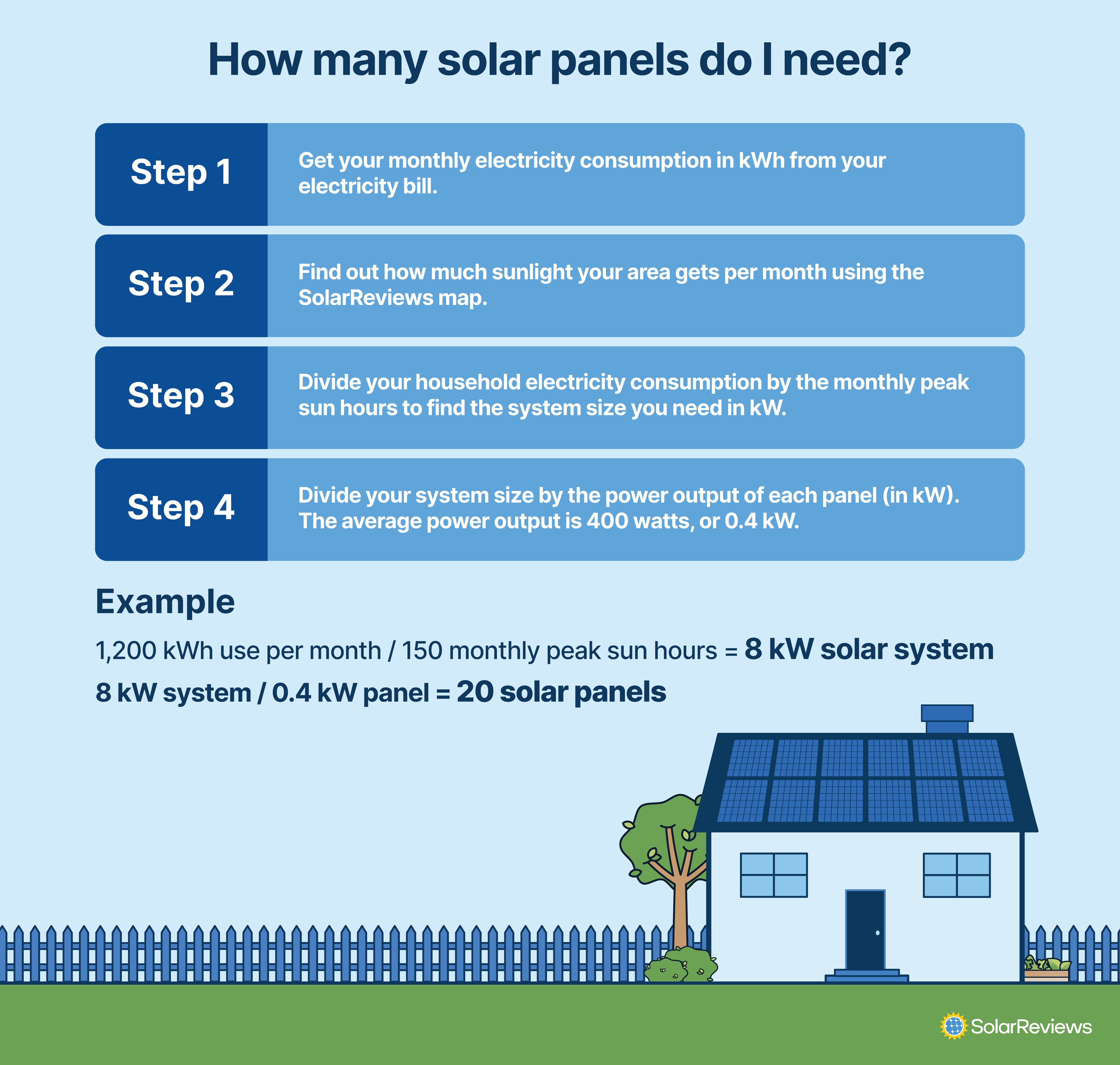
Start with powering your absolute essentials. What absolutely must run? Your fridge? Some lights? Charging your phone? Get that dialed in first. Then, slowly introduce other items and see how your system handles it. This organic growth is far less stressful.
Many solar enthusiasts begin with a modest setup, learn their habits, and then incrementally add more capacity. This approach helps you understand your true needs, rather than guessing blindly. It’s a very satisfying way to become energy independent.
The beauty of solar is its modularity. You can often add more panels or batteries later if your energy appetite grows. So, there’s no need to stress about getting it absolutely perfect on day one. Perfection is often the enemy of progress.
Perhaps your "unpopular opinion" becomes this: the goal isn't to replicate your grid-connected life exactly. It's to enjoy the freedom that comes from consciously managing your energy. It's about finding a sweet spot of comfort and sustainability.
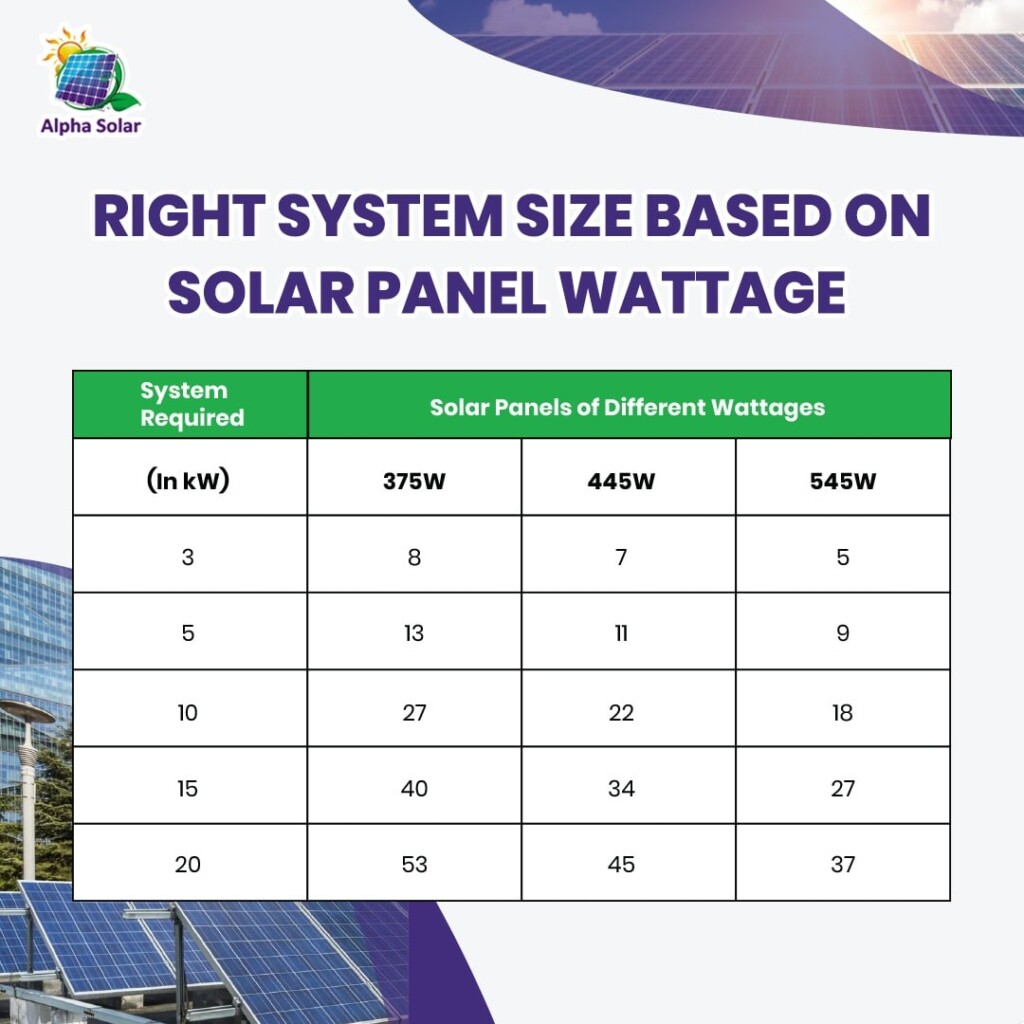
“Less is often more when it comes to solar. It means less stress, less cost, and more true independence.”
So, instead of asking "How many solar watts do I need?", try asking "How can I happily reduce my energy consumption so I need fewer solar watts?". That subtle shift in perspective can make all the difference in your solar adventure.
Don't let the technical jargon or the fear of undersizing paralyze you. Take a deep breath, observe your habits, embrace efficiency, and start small. Your solar journey is about empowering yourself, not overwhelming yourself with excessive calculations.
Ultimately, the "right" number of solar watts is the amount that makes you feel comfortable, financially smart, and deliciously independent. And for many of us, that number is surprisingly lower than we first imagined. Go forth and enjoy the sun!