
How Many Solar Panels Are Needed To Power A Home
Ever wondered how many of those shiny solar panels you'd need to ditch your electricity bill and bask in pure, sun-kissed energy? It's a question that pops into many minds as we see solar panels sprouting on rooftops like mushrooms after a spring rain.
Let's embark on this solar quest together! Think of it as a fun home improvement puzzle, where the pieces are sunshine, electricity, and maybe a healthy dose of "sticking it to the man" (the electric company, that is).
The Sunshine Math: A Quick and Dirty Guide
So, how do we solve this solar panel puzzle? Well, it's not rocket science, but it involves a little bit of "sunshine math." Don't worry, we'll keep it breezy!
Must Read
Step 1: Know Thyself (and Thy Electricity Bill)
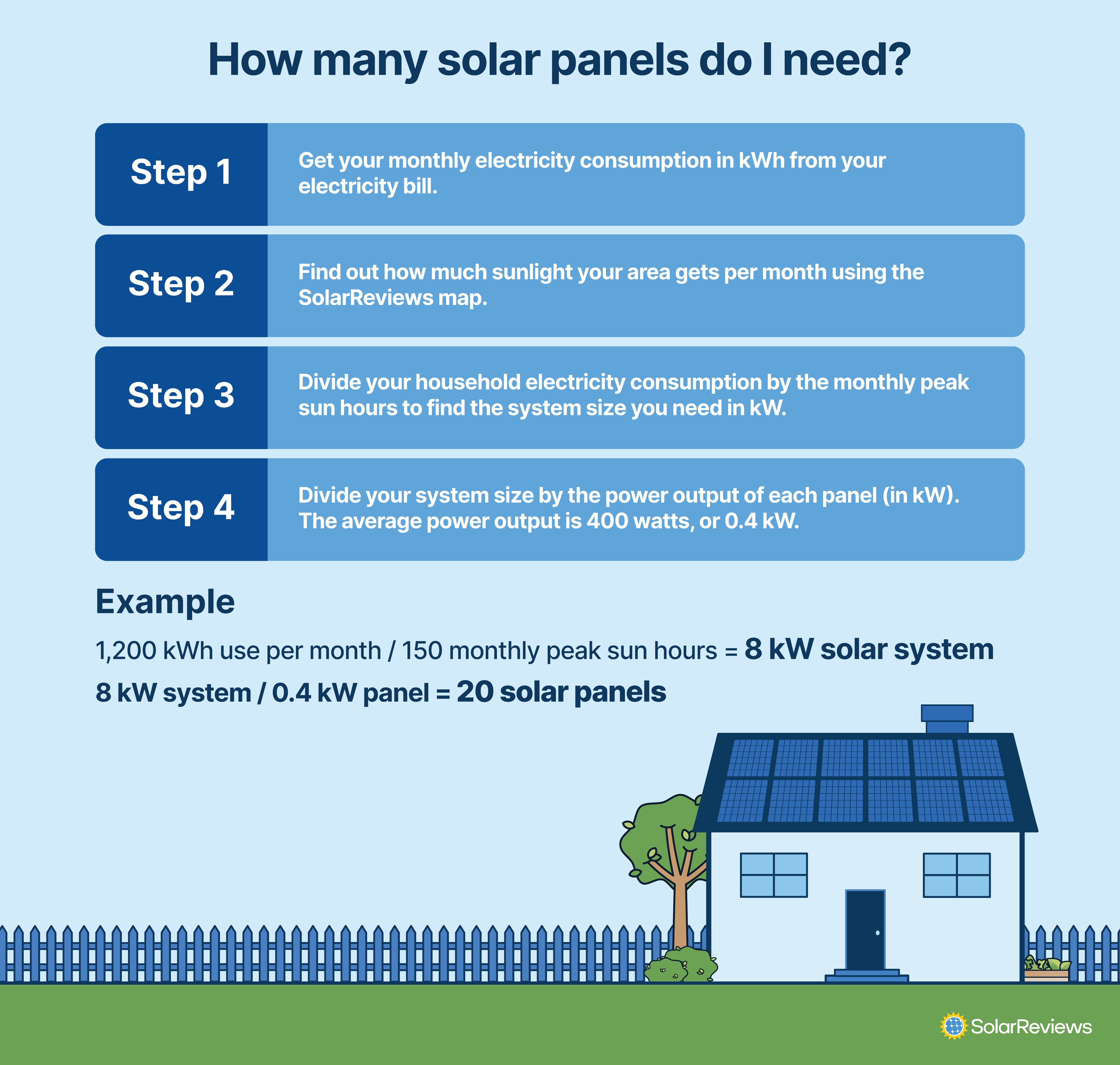
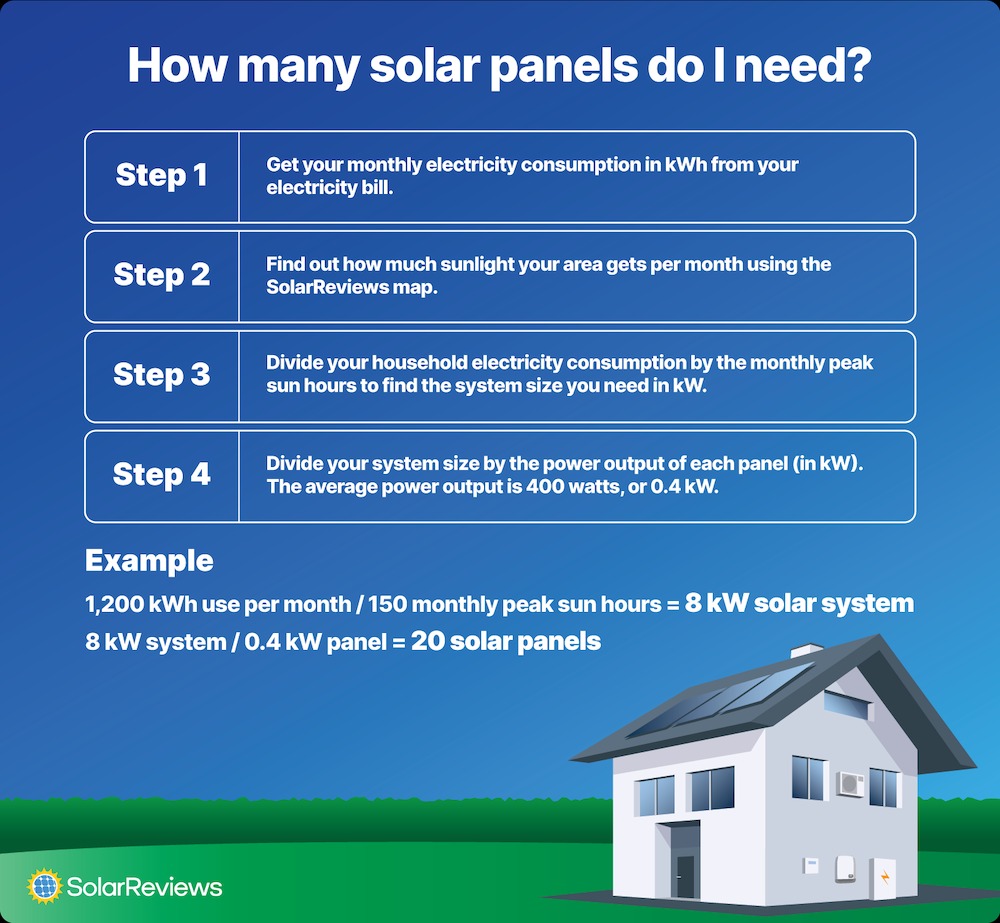
First, you need to play detective and uncover your home's energy appetite. Dig out your electricity bills from the past year. Look for the kilowatt-hours (kWh) you've used each month. Add them all up, and you've got your annual electricity consumption.
This number is the key. It tells you how much energy your home guzzles down like a thirsty camel in the desert.
Step 2: The Magical Land of Solar Panel Output
Now, let's talk solar panels. Each panel has a power rating, usually measured in watts (W). A typical solar panel these days might be around 300-400W.
But here's the kicker: solar panels don't always produce their maximum wattage. Factors like sunshine intensity, panel angle, and even temperature affect their output. Imagine trying to perform your best in a sauna – the same goes for solar panels!
Step 3: The Location, Location, Location Factor
Ah, location, the golden rule of real estate, and apparently, solar energy too! If you live in sunny Arizona, your panels will likely generate more electricity than if you live in perpetually cloudy Seattle.
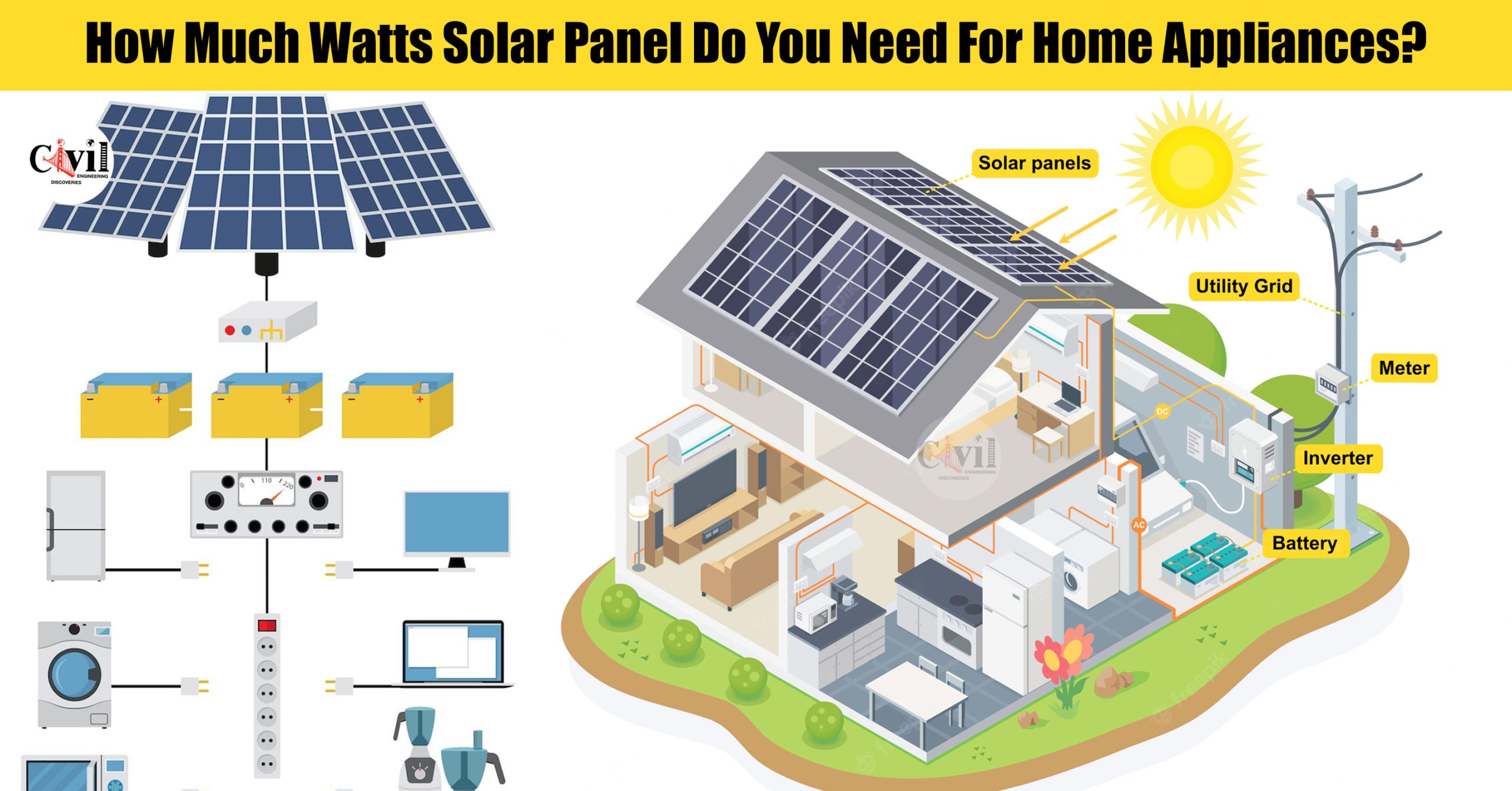
Solar energy companies use fancy tools and historical weather data to estimate how much electricity a solar panel system will produce in your specific area. They take into account things like the amount of sunshine hours and the angle of the sun.
Step 4: Putting it all Together: The Grand Calculation
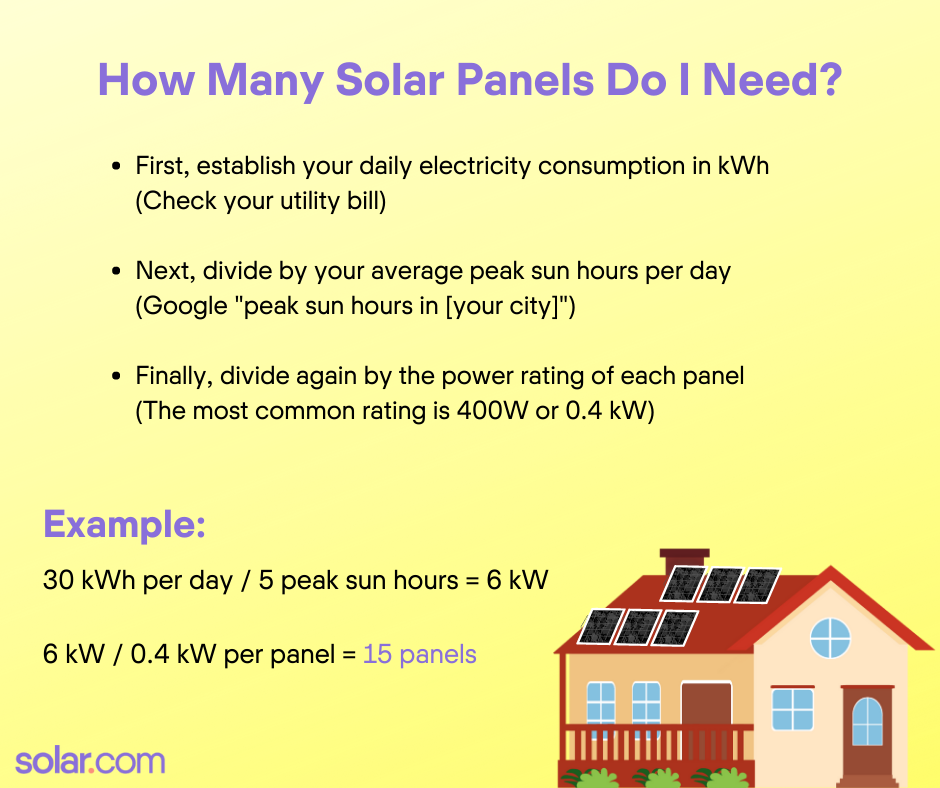
Okay, time to crunch some numbers (again, we'll keep it simple!). Let's say your home uses 10,000 kWh per year. And let's assume that a 1 kW (1000W) solar panel system in your area produces about 1,200 kWh of electricity per year. (This number varies depending on location, of course!).
To figure out the size of the system you need, divide your annual energy consumption by the energy produced per kW: 10,000 kWh / 1,200 kWh/kW = 8.33 kW. So, you'd need an 8.33 kW solar panel system.
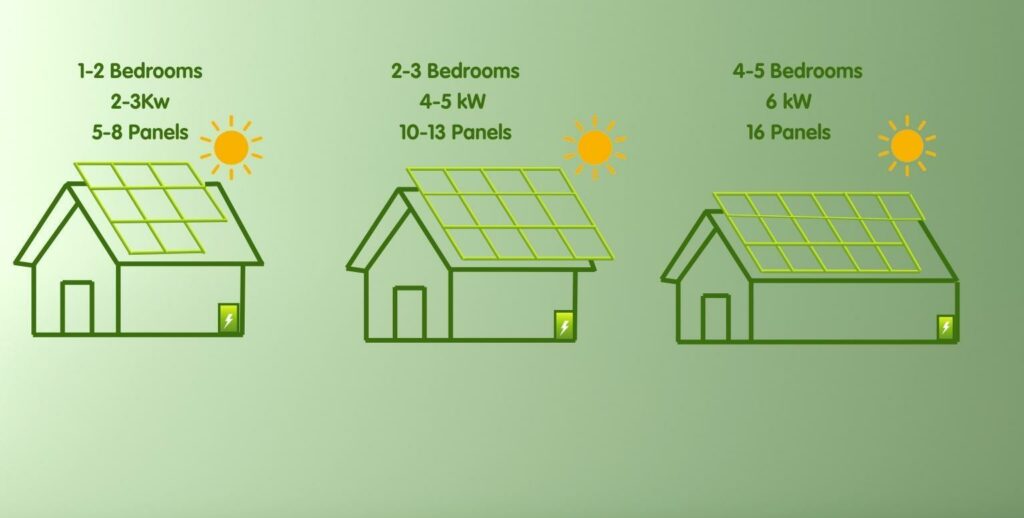
Now, if each solar panel is 330W, then you'd need about 25 panels (8330 W / 330 W/panel = 25.24 panels). Round up to 26 panels, just to be safe, and give yourself a little extra wiggle room.
The "Real Life" Complications (and Why You Need a Pro)
Okay, so that's the basic math. But like a perfectly baked cake, there are a few nuances.
Roof Space: Can your roof even accommodate all those panels? Think of your roof as your solar "canvas." You need enough space to arrange the panels in a way that maximizes sunlight capture.
Roof Orientation and Angle: A south-facing roof with a good angle is ideal for solar panels in the Northern Hemisphere. But if your roof faces north, or is shaded by trees, you might need more panels, or you might need to consider other solutions.
Energy Efficiency: Are you running energy-hogging appliances? Switching to LED lights, upgrading to energy-efficient appliances, and sealing drafts can significantly reduce your electricity consumption, and therefore, the number of solar panels you need.
The Moral of the Story: Don't DIY Your Way to Disaster
While figuring out the number of solar panels needed is a fun mental exercise, installing them is a completely different ballgame. This isn't like hanging a picture frame; it involves electricity, permits, and ensuring everything is safely connected.
That's where the solar professionals come in! They're the experts who can assess your roof, calculate your energy needs accurately, design a system that fits your budget, and handle the installation process from start to finish.
Think of them as your solar sherpas, guiding you up the mountain of energy independence. They'll handle the technical stuff, so you can focus on enjoying the sunshine and the lower electricity bills.
The Feel-Good Factor: Beyond the Numbers
Okay, let's talk about the warm and fuzzy side of solar energy. It's not just about saving money; it's about making a positive impact on the planet.
By going solar, you're reducing your carbon footprint and contributing to a cleaner, greener future. You're like a superhero, but instead of wearing a cape, you're wearing solar panels on your roof!
Imagine the satisfaction of knowing that you're powering your home with clean, renewable energy, and reducing your reliance on fossil fuels. That's a pretty awesome feeling, right?
A Final Thought: The Solar Panel Saga is Just Beginning
The world of solar energy is constantly evolving, with new technologies and innovations emerging all the time. Solar panels are becoming more efficient, more affordable, and more accessible.
So, whether you're seriously considering going solar, or just curious about the process, now is a great time to explore the possibilities. Do your research, talk to solar professionals, and see if solar energy is right for you.
Who knows, maybe one day, your roof will be adorned with those shiny panels, quietly humming as they convert sunshine into clean, green energy. It's a bright future, powered by the sun, and it's within your reach!