
How Many Smoke Alarms Are Required In A House
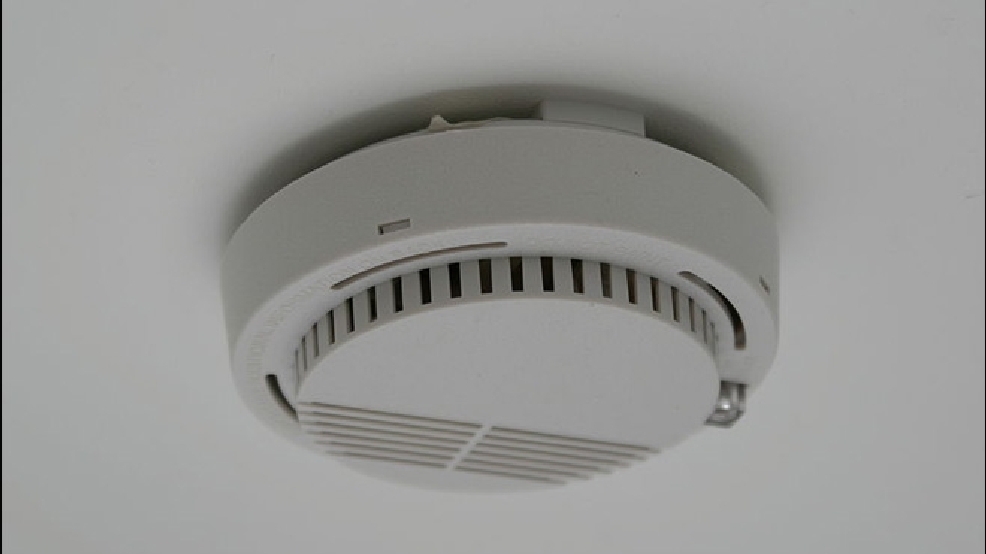
Alright, gather ‘round, grab your metaphorical latte, because we’re about to tackle a question that haunts many a homeowner and often only gets answered by that high-pitched, insistent shriek at 3 AM: "How many smoke alarms does one actually need in this place?!"
You know the sound. That ear-splitting shriek that jolts you awake, sending you scrambling for a broom handle to swat at the ceiling like a deranged medieval knight. It’s either a genuine emergency, or you just really, really underestimated the power of burnt toast. Either way, that little disc on the ceiling just earned its keep. But is one enough? Or two? Or should your house look like a sci-fi movie set, bristling with sensors?
The "One, Duh?" Myth (Spoiler: It's a Myth)
Let's get this out of the way. If your answer to "How many smoke alarms?" is a confident, "Just one, obviously! Right in the middle of the ceiling in the living room!" then bless your cotton socks, but you're playing a dangerous game of fire roulette. Imagine a fire starting in your basement while you’re peacefully dreaming upstairs. That lone alarm in the living room might as well be whispering sweet nothings into a hurricane.
Must Read
Rule #1: Every Sleeping Room Needs One
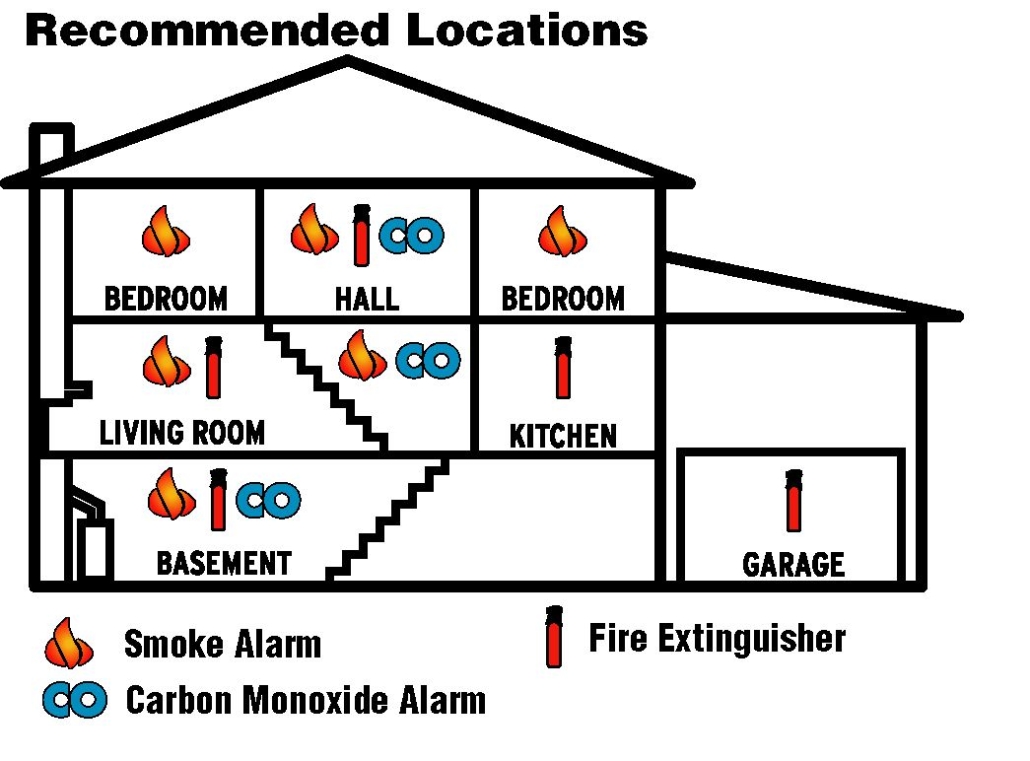
First up, and this one is pretty non-negotiable: every single sleeping room needs its own smoke alarm. Yes, that means your bedroom, your kid's bedroom, the guest room that currently doubles as a storage locker for your old college textbooks – if a human could sleep there, it needs an alarm. Think of it as a personal bodyguard for your slumber. A loud, chirpy, plastic bodyguard.
Rule #2: Outside Every Sleeping Area
Next, you'll need a smoke alarm outside each separate sleeping area. Picture this: you've got three bedrooms lined up down a hallway. Great, each room has one. Now, put another one in the hallway right outside those rooms. Why? Because smoke is sneaky. It doesn't always burst dramatically through a closed door like an action hero. It seeps. It creeps. An alarm in the hallway acts as a crucial early warning system, giving everyone precious extra moments to wake up and get out.
Rule #3: On Every Single Level (Basements Included!)
This is where people often forget the creepy, forgotten corners of their castle. You need at least one smoke alarm on every single level of your home, including the basement. Yes, even if your basement is just a spooky spider sanctuary where the washing machine lives. And if you have an attic that's considered a habitable space (like a finished bonus room), guess what? Alarm party for the attic too!
Think about it: if a fire starts in the basement, that alarm down there needs to sound the alarm for the whole house. It’s the subterranean early warning system, protecting you from what lurks beneath (and by "lurks," I mean "potential electrical fires").
Hardwired vs. Battery: The Great Debate
Historically, many homes relied solely on battery-operated alarms. And while they're certainly better than nothing, the gold standard (and often the code requirement for new constructions or major renovations) is hardwired smoke alarms. These beauties are connected to your home’s electrical system and usually have a battery backup for when the power goes out. No more frantically searching for a 9-volt battery at 3 AM while your house slowly fills with imaginary smoke!
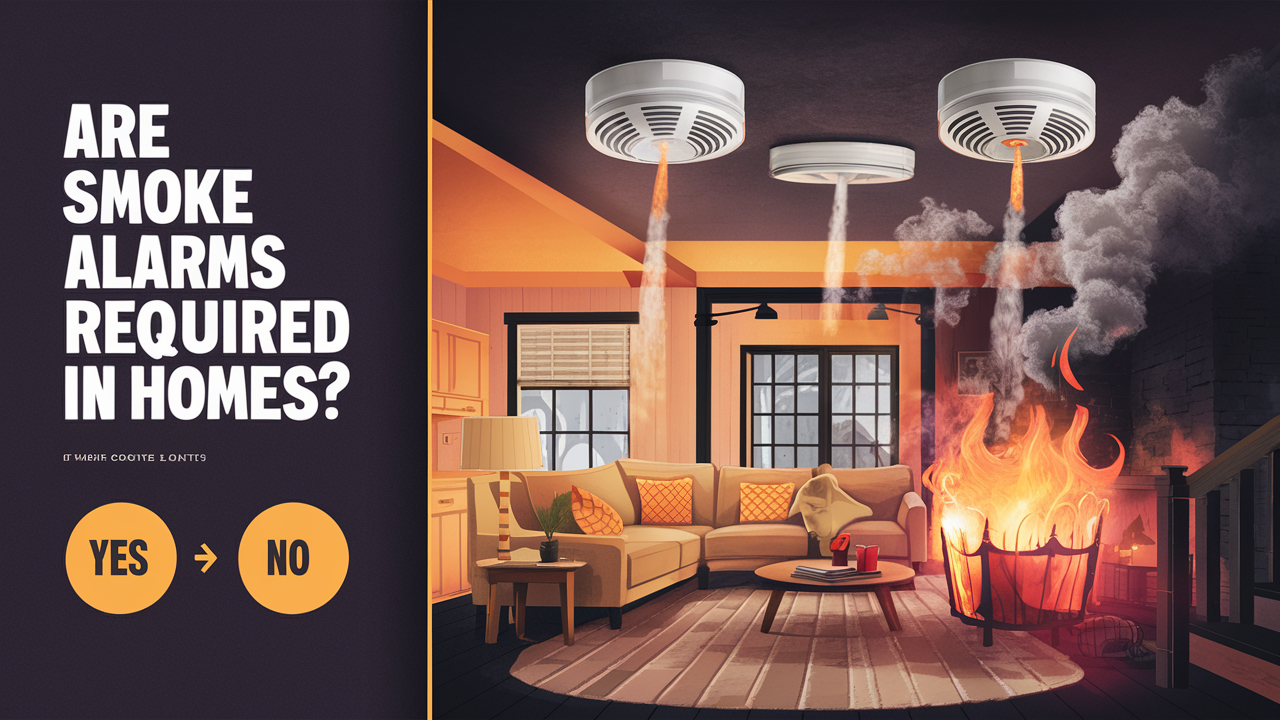
But here’s the kicker: ideally, these hardwired alarms should also be interconnected. This means if one alarm goes off – say, in the basement – all the alarms in your house go off simultaneously. It’s like a synchronized alarm clock flash mob, ensuring that everyone, from the deepest sleeper in the attic to the cat napping on the couch, gets the message: "Time to move!"
Beyond the Bare Minimum: Going for Gold
While the above are the generally accepted minimums, some folks (and some local codes!) suggest going a step further. Ever had that delightful "dinner bell" alarm go off while you're merely caramelizing onions? Welcome to the wonderful world of the kitchen smoke alarm. While not always required right in the kitchen due to nuisance alarms, placing one just outside the kitchen entrance can be a smart move.
And let's not forget about our often-overlooked friend, the carbon monoxide detector. While not a smoke alarm, CO is a silent killer, and many modern alarms now combine both functions. So, if you're upgrading, look for the dual-threat heroes!
Testing and Replacing: Don't Be That Guy
Okay, so you've got your house bristling with alarms. Fantastic! But they're not "install it and forget it" magic boxes. You need to test your smoke alarms monthly. Yes, monthly! Just a quick push of the test button to ensure that ear-splitting shriek is still in fighting shape. It's like giving them a little pep talk.
And here's a fun fact many overlook: smoke alarms have an expiry date. They don't age like fine wine. Most need to be replaced every 10 years. Check the back of your alarm; there's usually a "replace by" date printed right there. If yours are older than your youngest child, it's probably time for an upgrade!
So, there you have it. The secret isn't just "some" smoke alarms, it's "strategically placed, interconnected, regularly tested, and timely replaced" smoke alarms. It might sound like a lot, but trust me, the peace of mind (and the actual peace of mind during a fire) is absolutely priceless. Now go forth, inspect your ceilings, and ensure your home is a fortress of early detection!