How Many Sheds Can I Have On My Property California

So, you're dreaming of sheds, huh? Maybe one for your burgeoning gardening obsession, another for that band practice you're totally going to restart, and perhaps a cute little she-shed for some peace and quiet (away from the band practice, naturally). But before you start sketching out architectural masterpieces, let's talk about something a little less glamorous: shed rules in California.
Why should you care? Imagine this: You've painstakingly built your dream shed, painted it a delightful shade of avocado green, and then... BAM! A notice from the city arrives, demanding you tear it down. Ouch. Avoiding that scenario is precisely why understanding California's shed regulations is worth a few minutes of your time. Think of it as insurance against future headaches, and a way to keep your wallet happy (avoiding fines is always a good thing!).
Shed Size Matters: The Tiny House Syndrome (But Smaller)
The golden rule, and it's a pretty common one across California, involves the size of your shed. Think of it like this: your property is like a perfectly good sandwich, and your house and sheds are all the delicious fillings. You can only fit so much filling before the sandwich overflows (and in this case, the sandwich police come knocking!).
Must Read
Many cities and counties allow you to have a shed without a permit if it's under a certain size. Typically, this magic number hovers around 120 square feet. That’s about the size of a small bedroom or a generous walk-in closet. Not massive, but enough for gardening tools, holiday decorations, or even a dedicated hideaway for a grumpy teenager (just kidding... mostly!).
If you're planning on going bigger than 120 square feet, chances are you'll need a permit. Don't panic! The permitting process isn't usually that scary, but it does involve some paperwork, inspections, and potentially, a small fee. It’s best to check with your local building department before you start building to avoid surprises.
/cdn.vox-cdn.com/uploads/chorus_image/image/54241029/shutterstock_339323012.0.jpg)
Shed Placement: Location, Location, Shed-cation!
It's not just about the size; where you put your shed matters too. Most jurisdictions have rules about setbacks, meaning how far your shed needs to be from property lines, other structures, and even things like easements (areas where utility companies have the right to access your land).
Imagine you're playing a game of property-line Twister. You can't just plop your shed wherever you want; you have to follow the rules. This prevents you from accidentally building on your neighbor's land (awkward!), blocking access to utility lines, or creating fire hazards.
For example, many areas require sheds to be at least 5 feet from property lines. Others may have stricter rules, especially if you're building near a water source or a protected area. Again, a quick call to your local planning department can clear up any confusion.

How Many Sheds Can You Really Have?
This is where things get a little less clear-cut, because the answer is almost always, "It depends!". There's no single statewide rule dictating the maximum number of sheds you can have on your property. It boils down to a few key factors:
- Lot Size: The bigger your lot, the more likely you are to be able to accommodate multiple sheds. Common sense, right?
- Zoning Regulations: Your zoning designation (residential, commercial, agricultural, etc.) dictates what you can and can't build on your property. Some zones have stricter rules than others.
- Total Impervious Surface Coverage: This is a fancy term for the percentage of your property covered by buildings, driveways, patios, and anything else that prevents water from soaking into the ground. Most jurisdictions have limits on impervious surface coverage to help manage stormwater runoff. Too many sheds (and a large house) could push you over the limit.
Think of it like this: your property has a "building budget." Your house takes up a big chunk of that budget, and any sheds you add chip away at what's left. Once you hit your limit, you can't build anything else without getting special permission (which may or may not be granted).
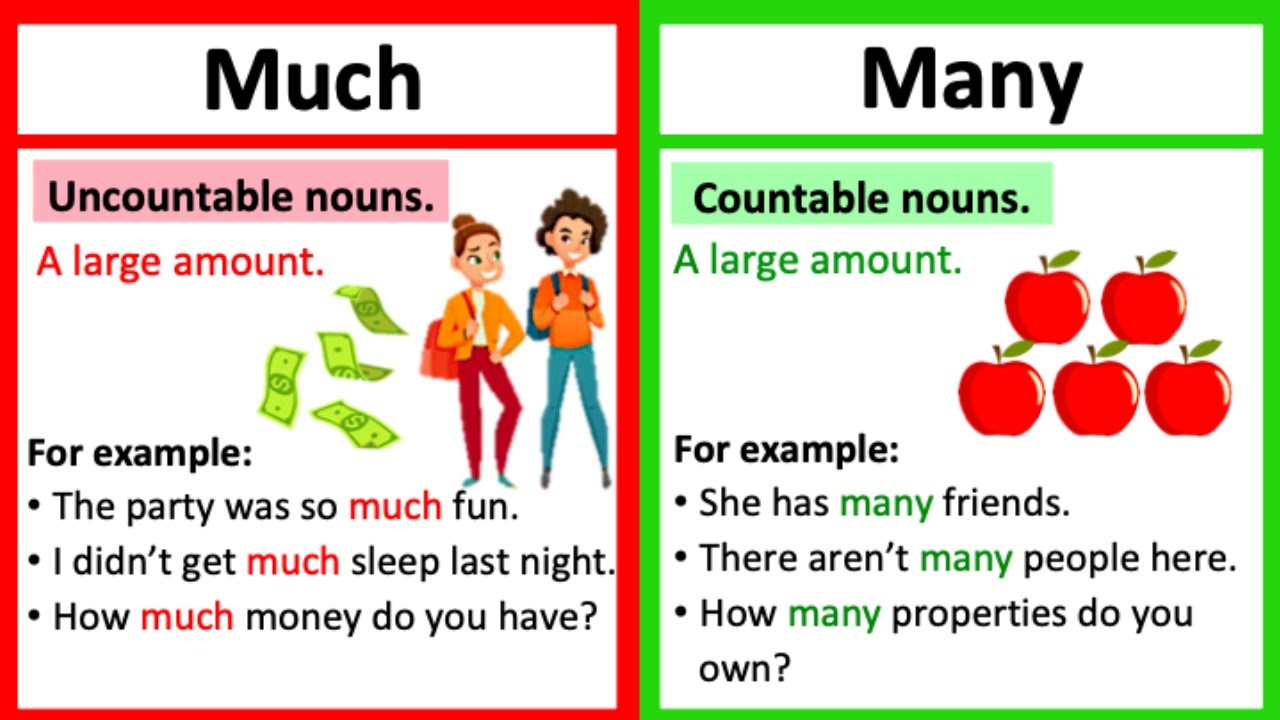
So, how do you find out the exact number of sheds you can have? Contact your local city or county planning department. This is the single most important piece of advice in this whole article. Don't rely on what your neighbor tells you or what you read on some random internet forum. Go straight to the source!
A Final Word (or Two)
Building a shed should be a fun and rewarding experience, not a source of stress and frustration. By taking the time to understand California's shed regulations, you can avoid costly mistakes, keep your neighbors happy, and build the shed (or sheds!) of your dreams. So, grab a cup of coffee, do your research, and get ready to unleash your inner shed architect!
And remember, a little planning goes a long way. Happy shed-building!