
How Many Quarts In A Cubic Feet
Ever wondered just how many quarts of your favorite beverage could fit inside, say, a really big box? Or maybe you're planning the world's largest lemonade stand (a worthy goal, I say!), and you need to figure out how much liquid gold you'll need to buy. The question you're wrestling with, my friend, is: How many quarts are in a cubic foot?
Now, I know what you might be thinking. "Cubic feet? Quarts? This sounds like math homework!" But hold on! Trust me, this little conversion can be surprisingly useful, even… dare I say… fun! It's all about visualization, and maybe a little bit of imagining yourself swimming in a giant pool of juice.
The Big Reveal: The Magic Number
Alright, let's cut to the chase. The answer is a neat and tidy: There are approximately 29.92 quarts in one cubic foot. Bam! There you have it. Write it down, tattoo it on your arm (okay, maybe not), but keep it in your back pocket. You never know when this nugget of knowledge will come in handy.
Must Read
But wait! Before you click away, let's explore why this is more than just a dry fact. Let’s think about this in practical, slightly absurd, terms.
Let’s Visualize with Ice Cream (Because Why Not?)
Imagine a cubic foot. Picture a box, each side measuring exactly one foot. Now, imagine filling that box with… ice cream! Delicious, creamy, cold ice cream.

Each quart represents a standard container of ice cream, the kind you’d buy at the store. So, filling that cubic foot box would take nearly 30 of those quart containers! Think about the sugar rush! Think about the brain freeze! (Please don’t actually try this, unless you have a very understanding dentist.)
This brings a new appreciation for the sheer volume a cubic foot represents. It's not just some abstract measurement; it's potentially 30 quarts of pure, unadulterated frozen joy. Or, you know, water, or sand, or whatever you’re measuring.
Beyond Ice Cream: Practical Applications (Sort Of)
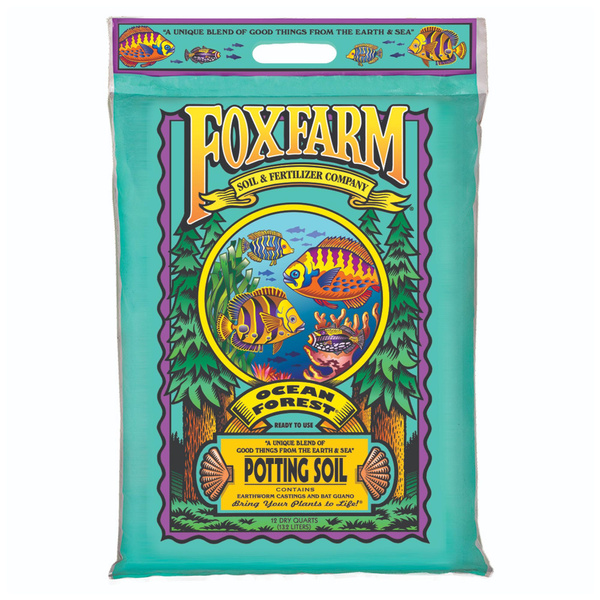
Okay, okay, enough with the ice cream fantasies. Let's be a little more practical (but still fun!). Imagine you're building a raised garden bed. You calculate that you need one cubic foot of soil. Now you know you'll need roughly 30 quart-sized bags of potting soil to fill it! Suddenly, that gardening project feels a little less daunting, right?

Or perhaps you're trying to figure out how much water your fish tank holds. If you know the dimensions of the tank, you can calculate its volume in cubic feet and then easily convert that to quarts. Just remember to subtract the volume of the decorative pirate ship! (Unless you want your fish swimming in a slightly less aqueous environment.)
The Imperfect World of Approximation
Now, you might notice I keep saying "approximately" 29.92 quarts. Why not just say 30? Well, that gets into the nitty-gritty of units and conversions. A quart is precisely defined in relation to other units of volume. While 29.92 is the accurate conversion, in everyday situations, rounding up to 30 is often close enough for practical purposes. Especially when dealing with ice cream estimations.
"The beauty of approximation is that it allows us to focus on the big picture, without getting bogged down in unnecessary details," – Said someone very wise (probably).
So, go forth and conquer your volumetric calculations! Whether you’re planning a giant lemonade stand, building a garden, or just trying to impress your friends with your newfound knowledge, remember the magic number: 29.92 quarts per cubic foot.
And the next time you see a cubic foot of something, remember the ice cream. It's a much more enjoyable way to think about volume, trust me.
Just don’t blame me for the brain freeze.
