
How Many Plastic Water Bottles Are Used Each Day
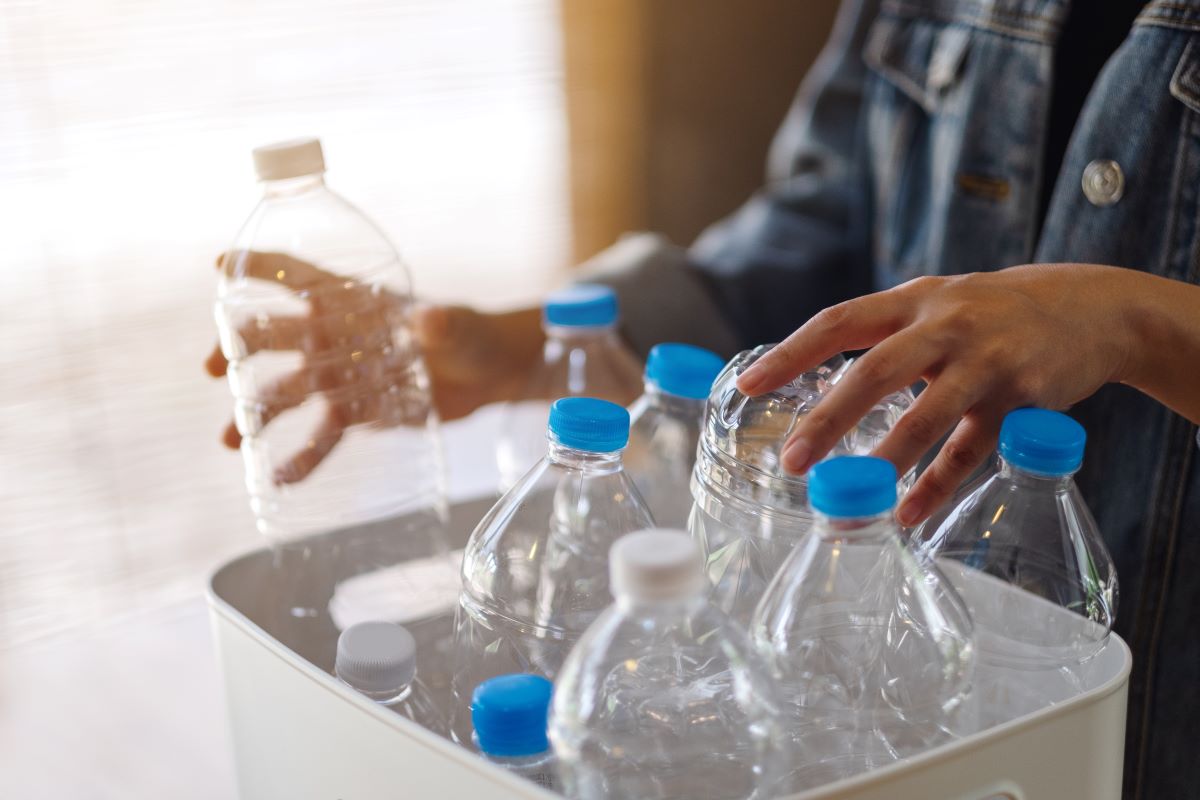
Ever wondered how many plastic water bottles we toss every. single. day?
It's a number that's so big, it's almost unbelievable. Prepare to have your mind blown!
Billions and Billions... of Bottles!
Ready for this? Globally, we're talking about roughly a billion plastic water bottles used daily.
Must Read
Yes, you read that right. A billion with a "B"! Imagine a mountain of plastic bottles stretching to the moon. Okay, maybe not, but it’s still A LOT.
It’s like a never-ending plastic parade. Every single day.
Breaking it Down: The US of A's Bottle Bonanza
Let's zoom in on the United States, shall we? The numbers here are equally staggering.
Americans use about 167 bottles per person each year.
That's enough bottles to circle the Earth more than 2.5 times! Can you even picture that?
Where Do All These Bottles Go?
Okay, we've established that we use a crazy amount of plastic water bottles. But what happens to them after we're done?
Well, unfortunately, a large percentage of these bottles don't get recycled.
They end up in landfills, oceans, and other places where they really shouldn't be.
The Recycling Reality Check
Recycling is supposed to be the hero of this story, right? Sadly, the reality is a bit more complicated.
Only a small percentage of plastic water bottles actually get recycled in the US.

The exact percentage can fluctuate, but it's often hovering around the 30% mark. That means a whole lot of plastic is still going to waste.
Why Isn't Everyone Recycling?
That's the million-dollar question! There are several reasons why recycling rates are so low.
Sometimes, people just don't have access to convenient recycling programs. Curbside recycling isn't a thing everywhere.
Other times, people are confused about what can and can't be recycled, or they just aren't motivated to make the effort.
The Ripple Effect: Environmental Impact
All this plastic pollution has some serious consequences for the environment.
Plastic takes hundreds of years to decompose, meaning it sticks around for a very, very long time. And during that time, it can wreak havoc on ecosystems.
It pollutes our oceans, harms wildlife, and contributes to climate change. Not a pretty picture, is it?
Ocean of Plastic
One of the biggest concerns is the amount of plastic that ends up in our oceans.
Marine animals often mistake plastic for food, which can lead to starvation and other health problems.
And even when plastic doesn't get eaten, it can break down into tiny microplastics that contaminate the entire food chain.
Landfill Overflow
Landfills are also overflowing with plastic waste. This takes up valuable space and can leach harmful chemicals into the soil and groundwater.
It's like a never-ending garbage pile growing bigger and bigger. Yikes!
Plus, the production of plastic requires a lot of energy, which contributes to greenhouse gas emissions.
Beyond the Bottle: Alternatives to Plastic
Okay, so the situation is a bit grim. But don't despair! There are things we can do to reduce our reliance on plastic water bottles.
One of the easiest solutions is to switch to a reusable water bottle.
There are tons of stylish and durable options available. Plus, you'll save money in the long run.
Embrace the Reusable Revolution
Reusable water bottles are more than just a trend – they're a statement. They say, "I care about the planet!"
They come in all shapes, sizes, and colors. You can even find one with your favorite superhero on it!
And remember to refill your bottle whenever you can. Most public places have water fountains or refill stations.
Tap Into Tap Water
Another great option is to drink tap water. In many places, tap water is perfectly safe and delicious.

You can even get a water filter if you're concerned about the taste or quality. But do your research first!
It's a simple way to reduce your plastic footprint and save some cash. Win-win!
Making a Difference, One Bottle at a Time
It might seem like one person can't make a difference, but that's not true! Every little bit counts.
By making small changes in our daily habits, we can collectively reduce the amount of plastic waste that ends up in landfills and oceans.
And who knows, maybe you'll inspire others to do the same.
Spread the Word
Talk to your friends, family, and coworkers about the problem of plastic pollution. The more people who are aware, the better.
Share articles and videos about the environmental impact of plastic waste.
Encourage others to switch to reusable water bottles and other sustainable alternatives.
Support Sustainable Businesses
Look for businesses that are committed to reducing their plastic footprint. This could mean using sustainable packaging, offering discounts to customers who bring their own bags, or supporting environmental initiatives.
Vote with your wallet. Let companies know that you value sustainability.

Your choices can make a difference!
The Future of Plastic: What's Next?
The good news is that there's a growing awareness of the problem of plastic pollution.
Governments and businesses are starting to take action. It will be interesting what will happen.
Hopefully, we'll see a shift towards more sustainable materials and practices in the years to come.
Innovation in Action
Scientists and engineers are working on innovative solutions to reduce plastic waste. This includes developing biodegradable plastics, improving recycling technologies, and finding new uses for recycled materials.
It's an exciting time for environmental innovation!
Let's hope these innovations can help us tackle the plastic problem once and for all.
A Call to Action
So, the next time you reach for a plastic water bottle, remember those billion bottles used every day.
Consider making a small change that can have a big impact.
Together, we can create a cleaner, healthier planet for ourselves and future generations. The time for action is now!
Be the change you wish to see in the world.