
How Many Nuclear Power Plants In Minnesota

Okay, let's dive into a question that might just pop into your head while you're driving through Minnesota, maybe past some cornfields or lakes: "Hey, I wonder... how many nuclear power plants are actually around here?"
It's a pretty natural thought, right? Especially when we talk about energy, sometimes the image of those big cooling towers just springs to mind. So, let's get curious!
If you guessed zero, you're not alone! Many folks might assume that. But if you guessed more than zero, then pat yourself on the back, because you're closer to the truth!
Must Read
The Big Reveal: How Many?
Drumroll please... Minnesota is home to two nuclear power plants! That's right, a cool pair of energy-producing giants keeping the lights on for a good chunk of the state. Pretty neat, huh?
These aren't just any old plants; they've got names and locations, just like any good landmark. We're talking about the Prairie Island Nuclear Generating Plant and the Monticello Nuclear Generating Plant. Both are nestled along the Mississippi River, doing their quiet, powerful work.
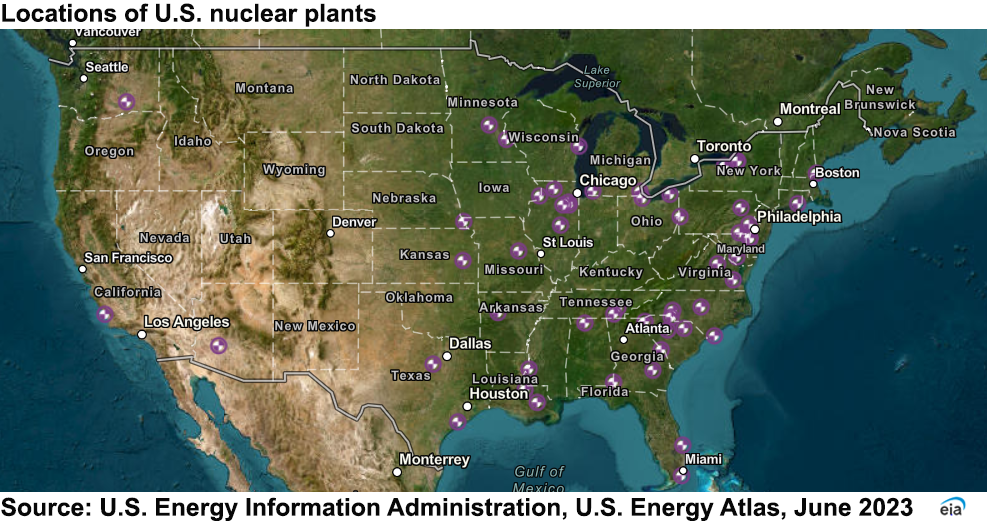
Think of them like two incredibly diligent, high-tech workhorses, constantly churning out power. They're not flashy or loud, often just sitting there, doing their job day in and day out, largely unnoticed by most unless you happen to live nearby.
Why Just Two? And Why Is That Interesting?
Two might not seem like a lot compared to some other states, but it's a significant number for Minnesota's energy landscape. These aren't just quaint little generators; they're massive contributors to the state's electricity supply. We're talking about a reliable, always-on source of power that doesn't depend on whether the sun is shining or the wind is blowing. They're the
Imagine your house running on power from a source that literally never takes a coffee break. That's kind of what nuclear power plants offer. They provide what's called base-load power, which means they're designed to operate continuously at maximum output for long periods. They're like that super reliable friend who always shows up, no matter what.
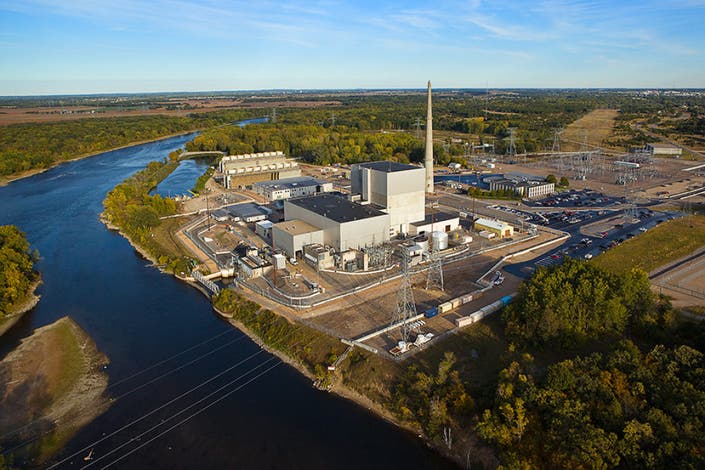
And here's another cool thing: these plants have been operating for decades! The Monticello plant started way back in 1971, and Prairie Island followed in 1973. That's a lot of years of consistent, uninterrupted power delivery. They've seen a lot of Minnesota winters and summers!
Not Your Sci-Fi Movie Nuclear Plant
Now, when some people hear "nuclear power," their minds might jump to scenes from movies or dramatic headlines. But the reality is much more... well, boring in the best possible way. These plants operate under incredibly strict regulations and safety protocols, making them some of the most scrutinized and carefully managed facilities out there.
Think of them less like something out of a disaster film and more like a highly sophisticated, meticulously maintained industrial facility. They're designed with multiple layers of safety, redundancies, and incredibly robust engineering. It's not about glowing green liquids and unstable reactors; it's about precision, physics, and a whole lot of engineering expertise.
![U.S. Nuclear Power Plants and Production by State [1650x1275] : MapPorn](https://external-preview.redd.it/IabWt3J8zmHtcCP04mPXZQaKuufPN2t7tvlvUtSatUU.png?width=960&crop=smart&auto=webp&s=35c6857a877c048ddb83a9b7b0f8b2ef93024b3b)
Plus, they're often surprisingly scenic spots, located on big plots of land, often with natural areas around them. You might not realize it, but these plants sometimes become accidental wildlife sanctuaries because of the exclusion zones around them.
Clean Energy Pioneers (in a way!)
Another fascinating aspect of nuclear power is its environmental footprint. When these plants generate electricity, they do so without emitting greenhouse gases like carbon dioxide into the atmosphere. That's a pretty big deal in our current climate-conscious world!
So, while they might not be wind turbines or solar panels, nuclear power plants are often considered a vital part of a clean energy portfolio. They offer a powerful, carbon-free energy source that complements renewable energy when the sun isn't shining or the wind isn't blowing.
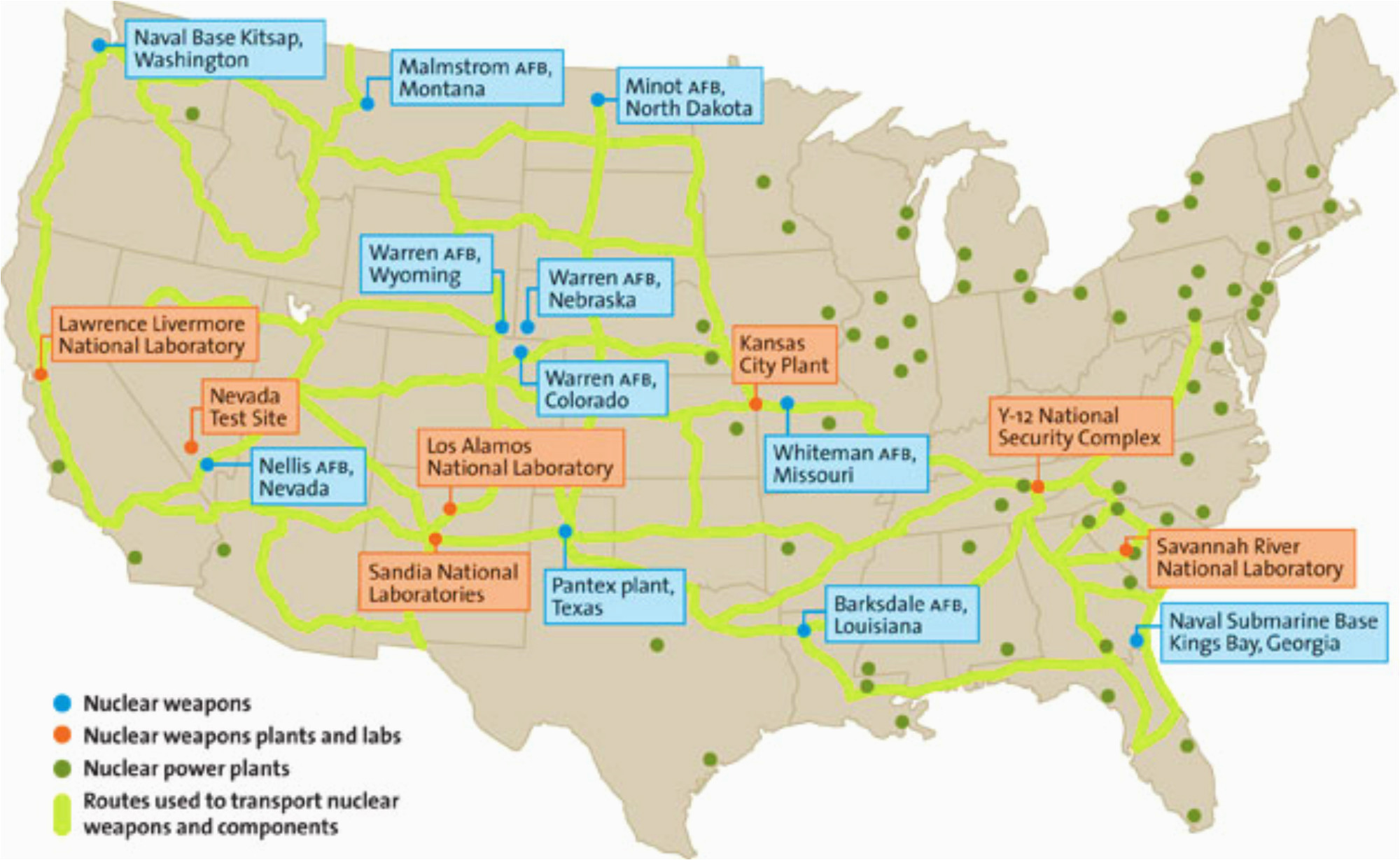
It's like having a diverse team: you've got your fast sprinters (solar/wind), and then you've got your incredibly strong, enduring marathon runners (nuclear). They each play a crucial role in keeping the whole energy system running smoothly and sustainably.
So, What's the Takeaway?
The next time you're enjoying the comforts of electricity in Minnesota – whether it's powering your lights, your computer, or your coffee maker – take a moment to ponder those two quiet giants along the Mississippi. The Prairie Island and Monticello nuclear plants are a testament to Minnesota's diverse and robust energy strategy.
They're a fascinating example of how complex and varied our energy world truly is, providing immense power, reliably, and without emitting carbon into our skies.