How Many Nuclear Power Plants Are In Tennessee
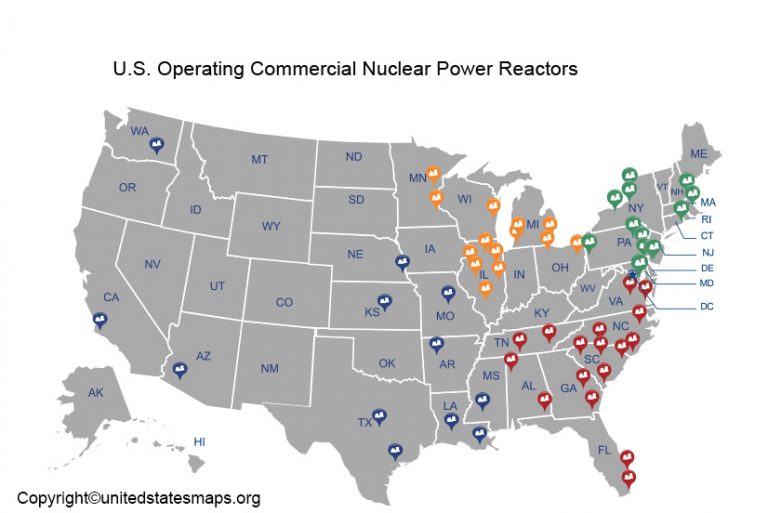
Ever find yourself pondering the energy landscape of your state? It might seem like a dry topic, but understanding where our electricity comes from is surprisingly interesting, especially when it involves something as powerful as nuclear energy! Knowing the sources powering our homes, schools, and businesses gives us a better understanding of our environmental impact and the technological advancements shaping our world. Plus, it's a cool conversation starter at your next family gathering!
So, how many nuclear power plants are humming away in Tennessee? The answer is pretty straightforward: Tennessee boasts three nuclear power plants. Now, before you imagine giant, smoking towers (that's actually steam!), let's break down what this means for different people.
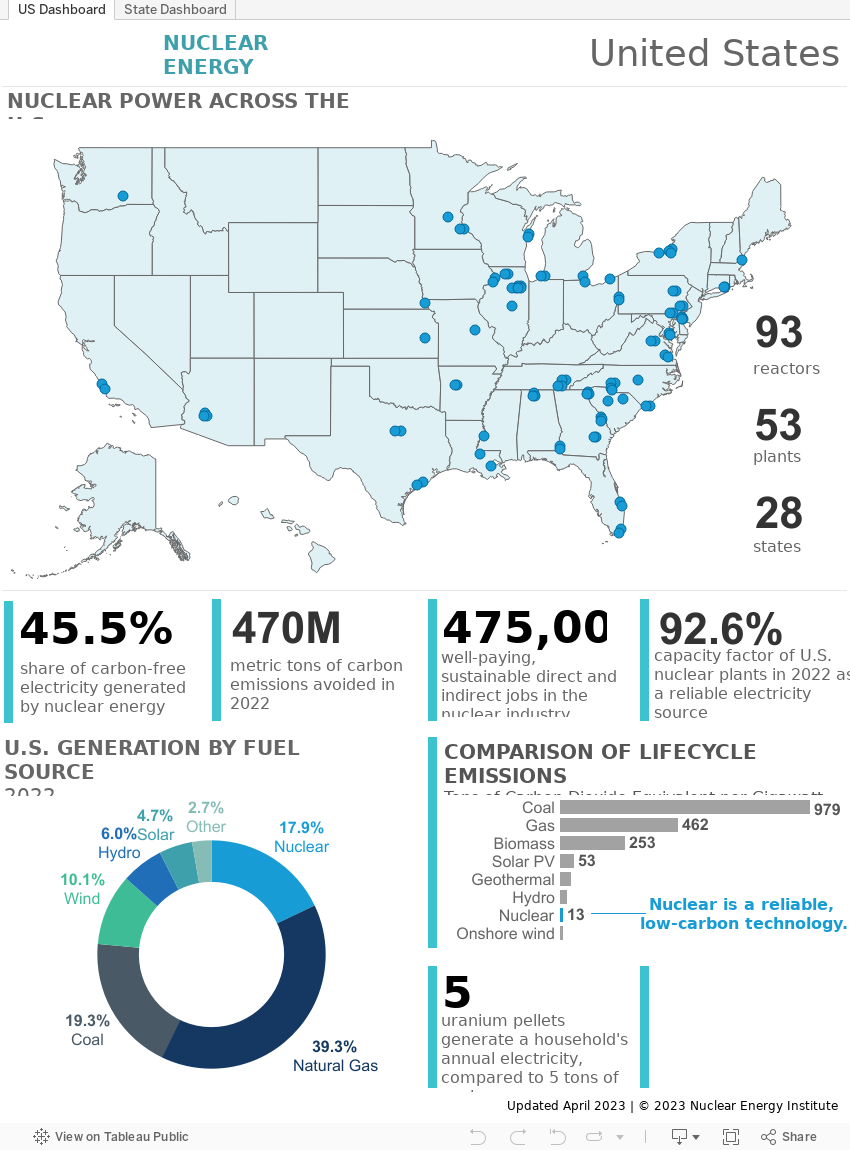
For beginners, understanding nuclear power is about grasping the basics. These plants use nuclear fission – splitting atoms – to create heat, which then boils water to produce steam, which in turn spins turbines to generate electricity. Think of it like a very powerful steam engine! The benefit? Nuclear power is a reliable and low-carbon source of energy, meaning it doesn't release greenhouse gases like burning fossil fuels does.
Must Read
Families might be interested in the economic impact. Nuclear plants create jobs in their communities and contribute to the local economy. They also help ensure a stable energy supply, meaning fewer power outages and more reliable electricity for your devices, appliances, and everything in between. Plus, knowing about different energy sources can spark interesting discussions with your kids about science and the future of energy.
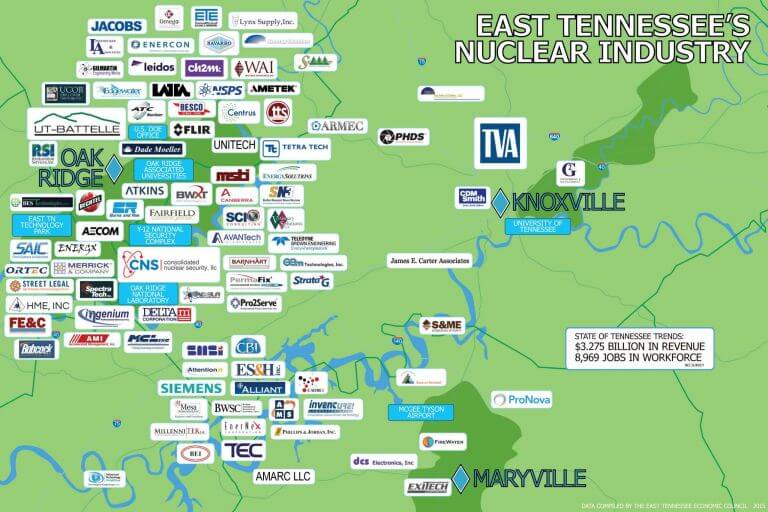
For hobbyists or those a bit more technically inclined, there's a wealth of information to explore. You could research the different types of reactors used in Tennessee's plants, the safety protocols in place, or even the environmental monitoring programs they employ. Tennessee's plants, specifically, are operated by the Tennessee Valley Authority (TVA), which provides a lot of publicly available information about their operations and environmental impact.
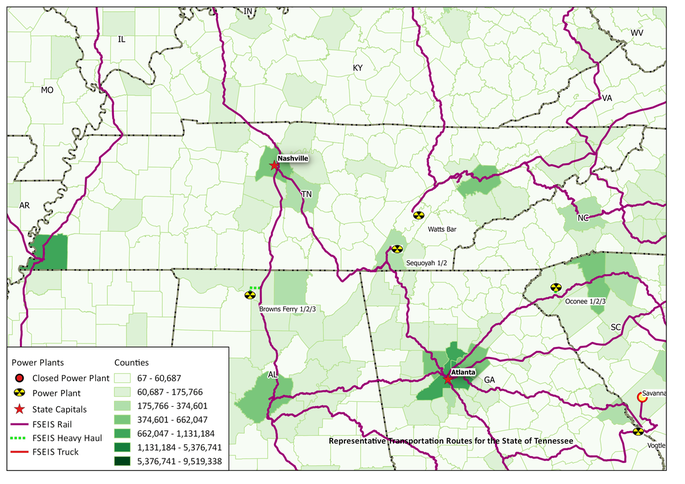
Tennessee's three nuclear plants are: Sequoyah Nuclear Plant, Watts Bar Nuclear Plant, and Browns Ferry Nuclear Plant. While Browns Ferry is technically located just across the state line in Alabama, it serves a large portion of Tennessee and is crucial to the region's energy infrastructure. Sequoyah was the first commercial nuclear power plant to come online after the Three Mile Island accident, and Watts Bar 1 was the last commercial reactor in the United States to come online in the 20th century.

Getting started with learning more is easier than you think! First, visit the TVA's website – they have tons of information on their nuclear facilities. Second, check out the U.S. Nuclear Regulatory Commission (NRC) website for information on safety regulations and oversight. Third, consider visiting a local science museum or attending a public forum on energy to learn more from experts. And finally, don't be afraid to ask questions! The world of nuclear energy can seem complex, but there are plenty of resources available to help you understand it better.
So, next time you flip a light switch in Tennessee, remember the three nuclear power plants contributing to the electricity flowing into your home. Understanding these sources not only empowers you with knowledge but also allows you to participate in informed discussions about our energy future. It's a fascinating topic, and the more you learn, the more you'll appreciate the science and technology behind powering our world.