
How Many Nadh Are Produced By Glycolysis
Hey there, fellow life enthusiast! Ever wonder where your energy comes from? I mean, seriously, that boundless (or maybe not-so-boundless-but-still-pretty-amazing) energy that gets you through the day? Well, let's talk about a crucial part of that process: glycolysis!
Now, I know what you might be thinking: "Glyco-what-now? Sounds like something from a science fiction movie!" But trust me, it's way more exciting (and relevant to your life) than any alien invasion flick. Think of glycolysis as the foundational step in unlocking the energy stored in the food you eat, specifically glucose, a type of sugar.
Glycolysis: The Energy Unlocking Adventure
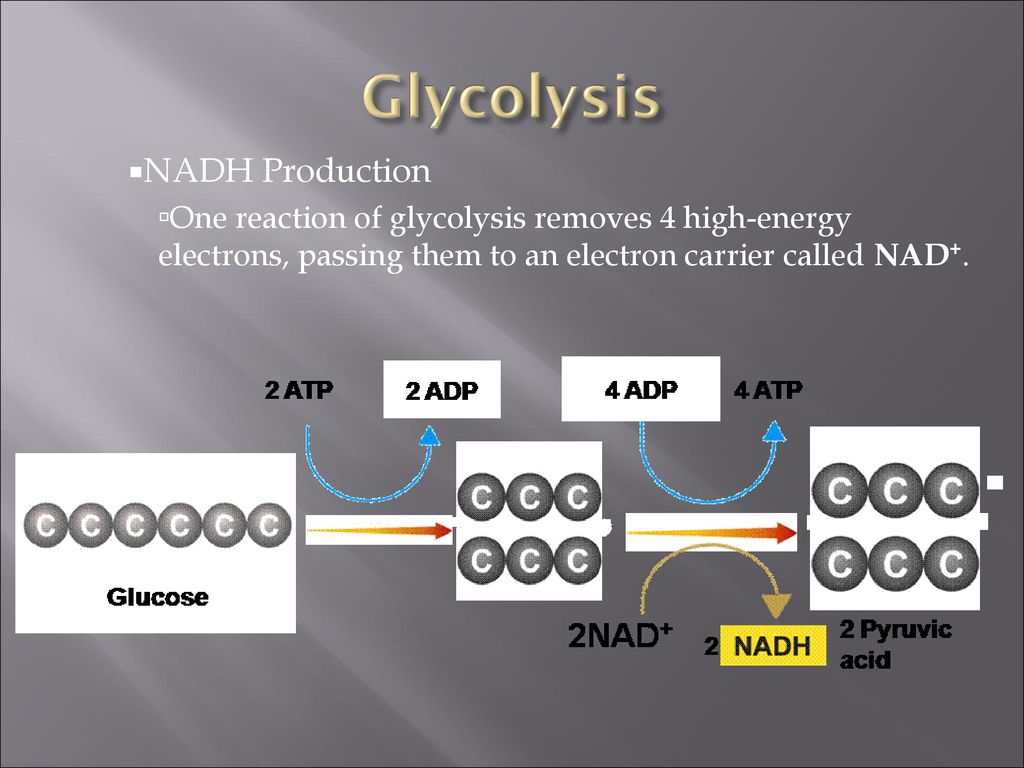
Glycolysis is basically a series of chemical reactions that break down glucose into smaller molecules. It’s like taking a big, delicious candy bar (glucose) and chopping it up into bite-sized pieces. These smaller pieces can then be used to generate energy in later steps. (Spoiler alert: those later steps involve things like the Krebs cycle and the electron transport chain, but we'll save those for another day!).
Must Read
So, where does this amazing energy-generating process take place? Right inside the cytoplasm of your cells! Yes, that's right, your own body is a tiny, bustling energy factory. Pretty cool, huh?
But how does this candy-bar-chopping process actually create the energy we need? Well, it's not just about breaking glucose down. Along the way, some very important molecules are produced, and one of the most crucial is… drumroll, please… NADH!

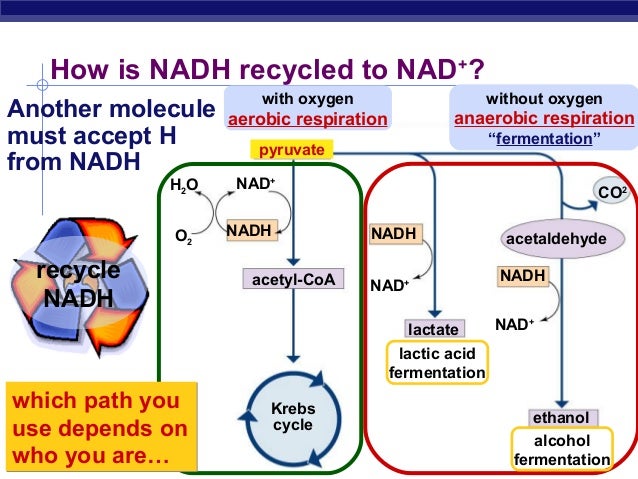
NADH is like a little energy taxi. It's a coenzyme that carries high-energy electrons from glycolysis to the electron transport chain. Think of it as a delivery service, ensuring that the energy released during glycolysis isn’t wasted and gets transported to where it can be used most efficiently to make ATP – the main energy currency of the cell!
The NADH Tally: How Many Are We Talking About?
Okay, here's the big question: how many NADH molecules are produced during glycolysis from a single glucose molecule? The answer is... (wait for it)... Two! That's right, 2 NADH molecules are produced per molecule of glucose that goes through glycolysis.
“Two?! That doesn’t seem like a lot” you might say. But hold on! Remember that NADH acts as an energy carrier. Those two little taxis will deliver their precious cargo to the electron transport chain where they help generate a significant amount of ATP. Every little bit counts!
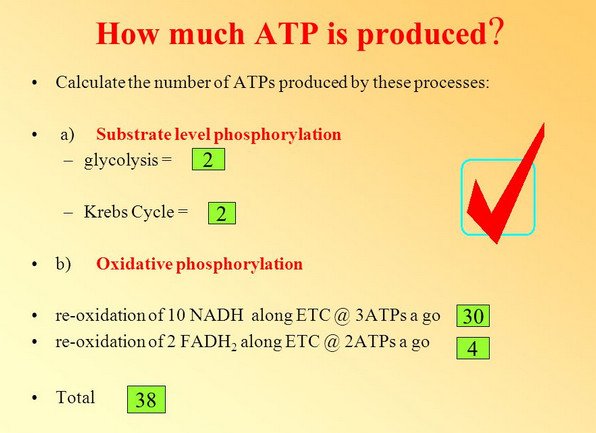
Think of it this way: glycolysis is like the opening act of an amazing concert. It sets the stage for the main performance (the electron transport chain). The NADH produced during glycolysis is like the warm-up band getting the crowd (your cells) pumped up and ready for the headliner (ATP production).
And remember, glycolysis also generates a small amount of ATP directly! (Two ATP molecules, to be precise). Plus, it produces two molecules of pyruvate, which can then be used in other metabolic pathways. So, glycolysis is definitely pulling its weight!
Why Should You Care About NADH and Glycolysis?
Okay, I get it. You might be thinking, "This is interesting and all, but why should I care about the number of NADH molecules produced during glycolysis?" Fair question!
Well, understanding how your body produces energy can help you make more informed decisions about your health. For example, knowing that glycolysis is crucial for energy production can motivate you to make sure you're getting enough glucose (from healthy sources, of course!) to fuel your cells. It might even inspire you to be more active, knowing that you're utilizing these awesome biochemical pathways to power your movements! The more active you are, the more efficiently your body uses energy, which can improve your overall health and well-being.
Furthermore, understanding the basics of cellular respiration, including glycolysis, can give you a greater appreciation for the complexity and beauty of life. Think about it: you are literally a walking, talking, energy-generating machine! How cool is that?!

So, the next time you're feeling energetic, remember those tiny NADH taxis zipping around inside your cells, diligently delivering energy to keep you going. Give a mental shout-out to glycolysis – the unsung hero of energy production!
This is just the tip of the iceberg! The world of biochemistry is vast and fascinating. It's full of amazing discoveries waiting to be made, and you could be the one to make them! So, keep learning, keep exploring, and keep being amazed by the incredible processes that make life possible!
Ready to delve deeper into the mysteries of cellular respiration? There are tons of great resources out there, from online courses to documentaries. The journey of scientific discovery is a lifelong adventure – and it all starts with a single question, like "How many NADH are produced by glycolysis?" Now that you know the answer (it's two!), imagine what other fascinating secrets you can unlock!