How Many Miles Does Light Travel In A Second
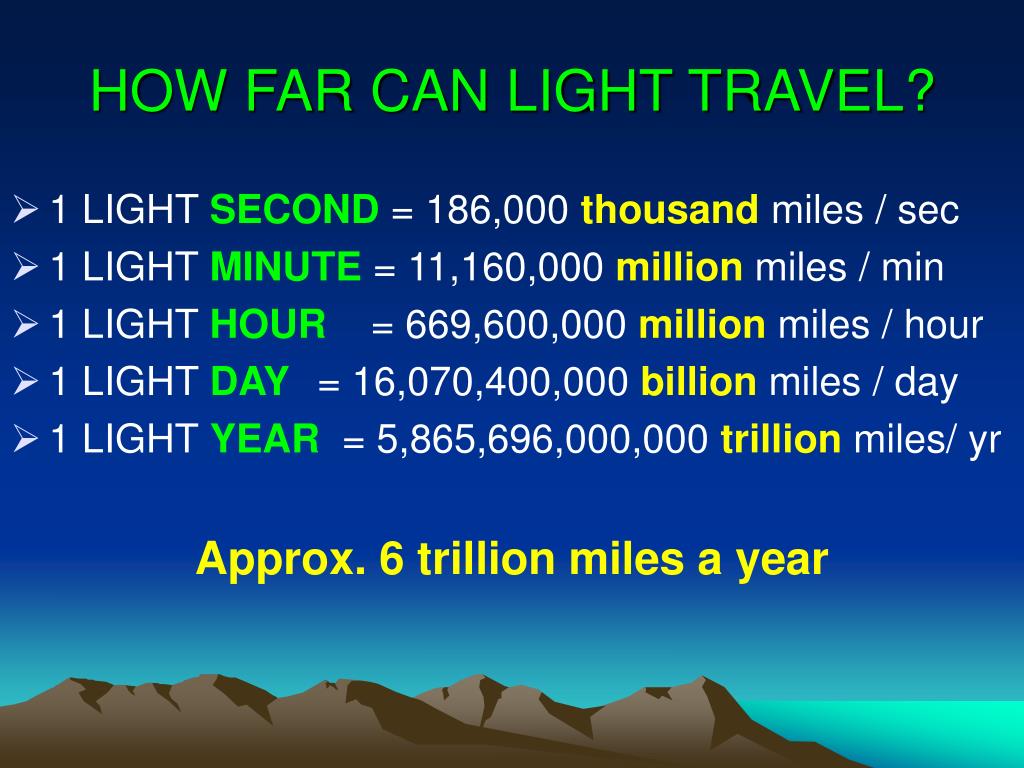
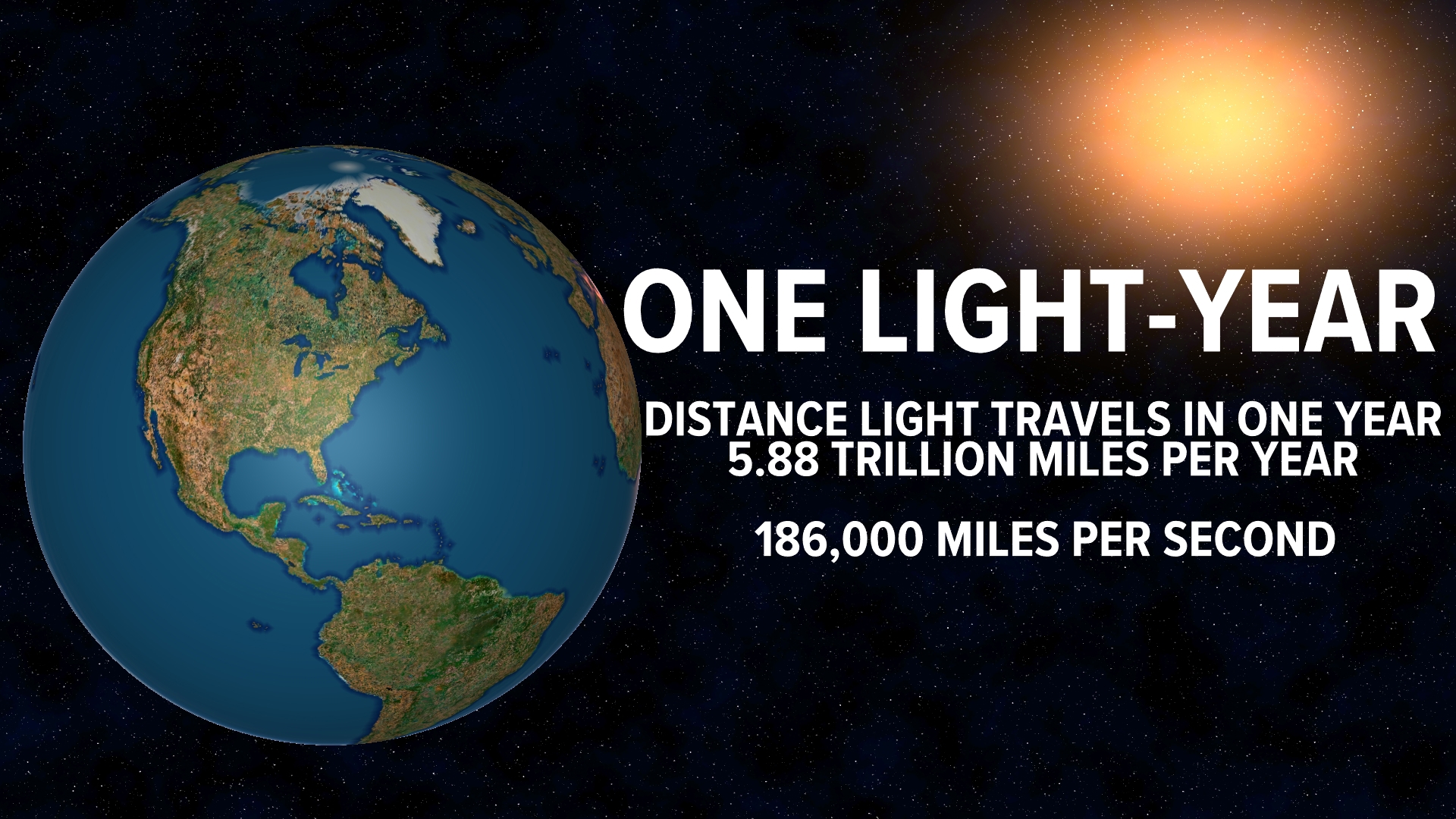
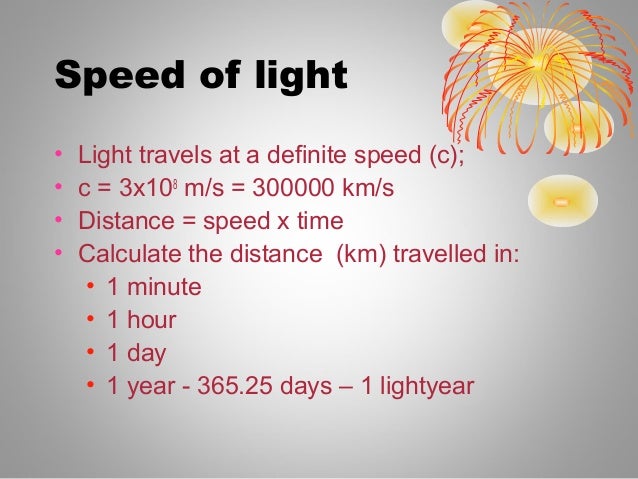
Have you ever stopped to ponder just how incredibly fast light travels? It's a question that pops up everywhere, from science fiction novels to late-night trivia games. But knowing the answer – roughly 186,000 miles per second – isn't just about winning points. It's about unlocking a deeper appreciation for the universe and inspiring creativity in surprising ways.
For artists, hobbyists, and even casual learners, understanding the speed of light can be surprisingly beneficial. Think about it: as artists, we try to capture the essence of a moment, of light itself. Knowing its unbelievable velocity can inform how we depict movement, speed, and even the fleeting nature of time. A photographer, for example, might appreciate how light from a distant star, captured in their lens, has traveled for potentially millions of years to reach them.
Imagine a painter using this knowledge to create an abstract piece representing the journey of a photon, filled with vibrant colors and swirling textures to convey its energy and speed. Or a sculptor crafting a piece that appears to be in motion, inspired by the sheer velocity of light. A digital artist could simulate light effects with incredible realism, understanding how light interacts with different surfaces and how quickly those interactions happen. A writer might pen a story about interstellar travel, using the concept of light-years to create a sense of vast distances and the challenges of communicating across them. The possibilities are truly endless!
Must Read
Let's look at some examples. Consider the Impressionist movement, with its focus on capturing fleeting moments of light and shadow. Monet's water lilies, for example, could be viewed as an attempt to capture the essence of light reflecting on water, albeit without consciously calculating its speed. Or, think about science fiction art, often depicting spaceships traveling at near-light speed, warping space and time. Even in realistic portraiture, understanding how light falls on a face can help an artist create a more lifelike and dynamic representation. From the delicate brushstrokes of a watercolorist capturing a sunrise to the bold strokes of an abstract expressionist exploring energy, the speed of light, even unconsciously, plays a part.
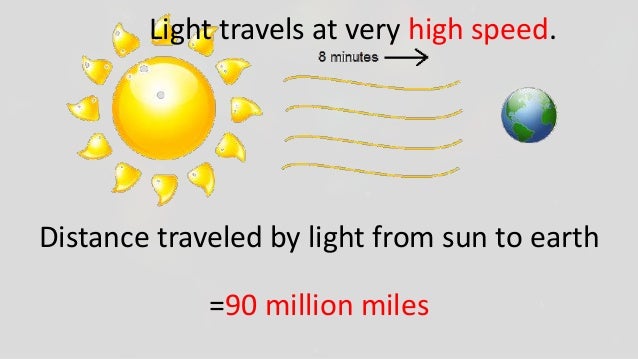
Want to explore this at home? Try this: grab a flashlight and shine it across a room. Even though you can't perceive it directly, that light is traveling at 186,000 miles per second. Then, experiment with different light sources. How does sunlight differ from artificial light? How does light behave when it passes through different materials like glass or water? Observe how light and shadows play across everyday objects. Sketch those observations, photograph them, or write about them. The key is to engage with light and contemplate its incredible speed.
Ultimately, learning about the speed of light is enjoyable because it connects us to something larger than ourselves. It reveals the sheer scale of the universe and inspires a sense of wonder and awe. It's a humbling reminder of how much there is to learn and explore, and how even the simplest things, like a beam of light, can hold profound beauty and mystery. It opens doors to new ways of thinking, creating, and appreciating the world around us. And who doesn't love a good excuse to gaze at the stars and contemplate the vastness of space?