How Many Kwh To Power A House
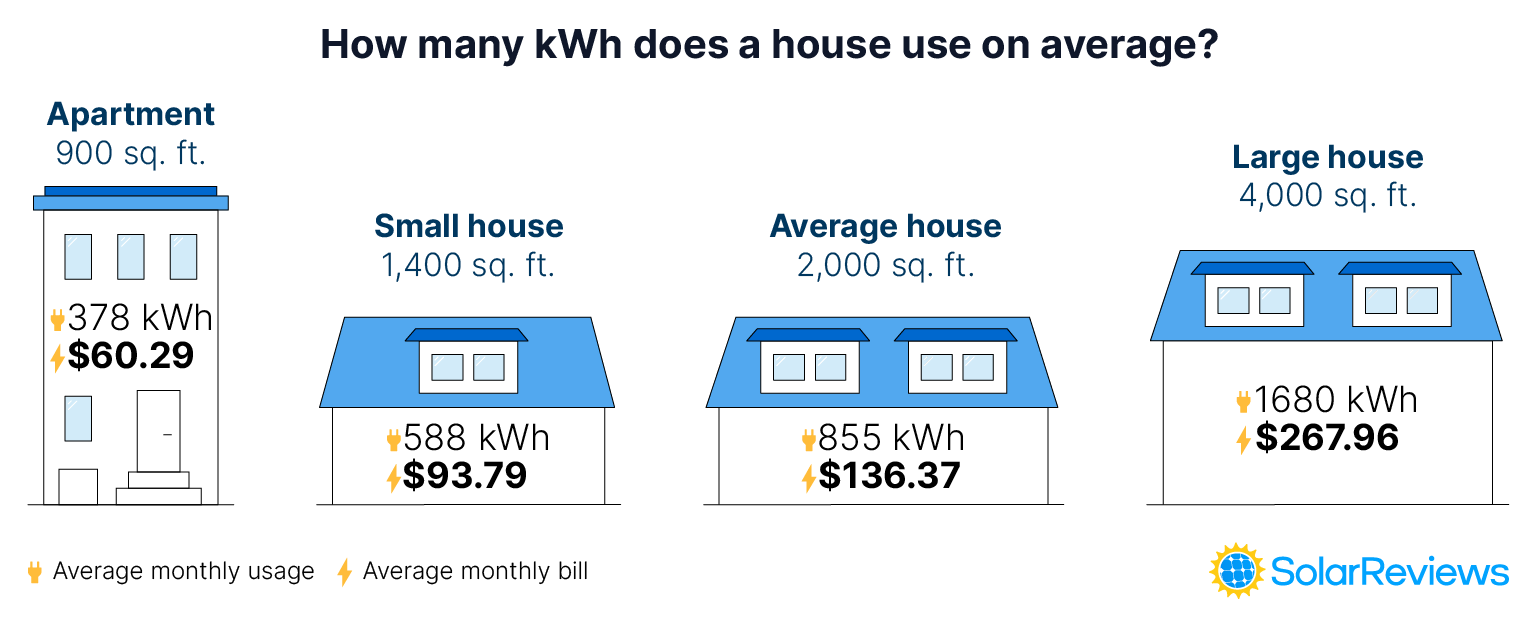
Ah, the humble home! A sanctuary of comfort, a hub of activity, and a place where, let’s be honest, we all enjoy the sheer convenience of pressing a button and having things just work. The lights flicker on, the coffee brews, your favorite show streams seamlessly. It's truly magical, isn't it? But behind all that effortless bliss lies an invisible force, a silent engine powering your modern life: electricity. And if you’ve ever glanced at your utility bill and scratched your head at the letters "kWh," you're not alone! Understanding how much juice your house sips is like getting a backstage pass to your own energy consumption – and it's surprisingly empowering.
So, why bother demystifying this kilowatt-hour business? The benefits are surprisingly practical and extend beyond just deciphering a bill. For starters, it gives you control. Knowing your kWh usage is the first step to managing your energy expenses, potentially saving you a pretty penny each month. Think of it as knowing how much fuel your car uses per mile; it helps you budget and make smarter choices. Beyond your wallet, it’s about being a more responsible global citizen. Understanding your energy footprint allows you to make environmentally conscious decisions, contributing to a greener planet. It's about empowerment, letting you make informed choices about everything from new appliance purchases to daily habits.
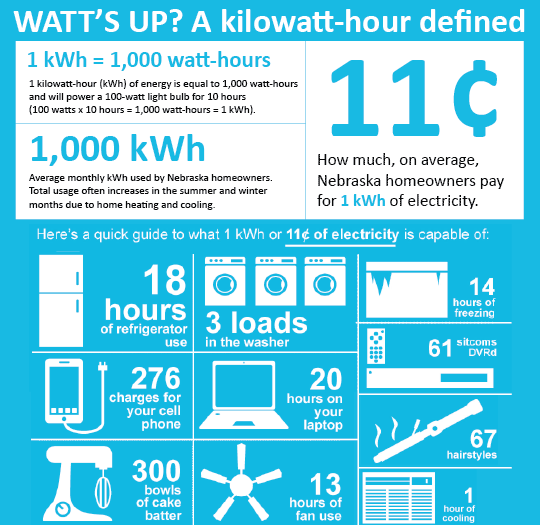
You encounter kWh more often than you think! Every time you compare the energy efficiency sticker on a new washing machine, you're looking at its estimated kWh usage. When your smart thermostat tells you how much energy you saved last month, it’s talking in kWh. Even debating whether to upgrade to LED bulbs is a conversation rooted in kWh savings. It's the standard metric for understanding how much energy a device consumes over time, whether it's your ravenous gaming PC or the modest charge of your smartphone.
Must Read
Ready to become an energy guru in your own home? Here are some practical tips to not just understand your kWh usage, but to "enjoy" the efficiency and savings it brings:
- Befriend Your Bill: Don't just pay it – read it! Your electricity bill isn't just a request for money; it's a data report. Look for your monthly kWh consumption and track it. Are there spikes? Dips? This can clue you into what might be using more energy.
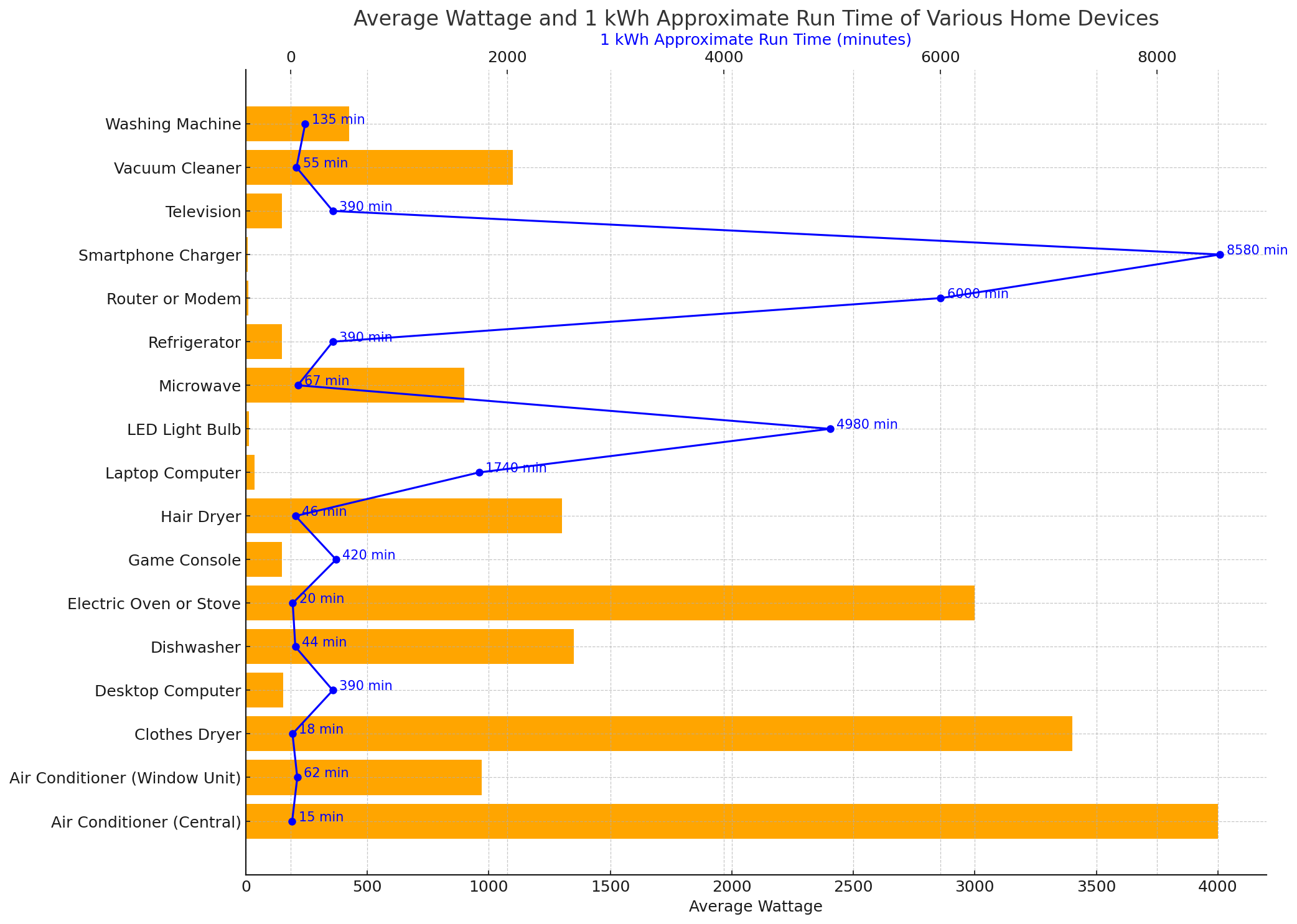
- Identify the Energy Hogs: Some appliances are notorious for being power-hungry. Think heating and cooling systems (HVAC), water heaters, and refrigerators. Understanding their typical consumption patterns can help you make more efficient choices. A smart thermostat, for example, can drastically reduce your HVAC's kWh usage.
- Embrace Smart Tech: Smart plugs can monitor the real-time energy usage of individual devices, giving you granular insights. Whole-home energy monitors can provide an overview of your entire house's consumption, often accessible via an app. Knowledge is power, after all!
- Combat "Vampire Power": Many electronics continue to draw small amounts of electricity even when turned off but still plugged in. This "phantom load" adds up. Unplug chargers, TVs, and other non-essential devices when not in use, or use power strips you can easily switch off.
- Go LED: If you haven't already, switch to LED light bulbs. They use a fraction of the electricity (and thus, kWh) compared to traditional incandescent bulbs and last significantly longer. It's one of the easiest and most effective ways to cut down energy use.
- Mind Your Thermostat: Adjusting your thermostat by a few degrees (up in summer, down in winter) can make a big difference. Consider programmable or smart thermostats to automate these changes when you're away or asleep.