
How Many Kwh Does An Average Home Use Per Day
Ever wonder if your house is a power-guzzling monster or a model of energy efficiency? We’re talking about kilowatt-hours, or kWh, the way your electricity consumption is measured.
Think of it as the electric company’s way of counting how much juice your home is sipping each day. But how much does an "average" home actually use?
The Numbers Game: Decoding Your Energy Bill
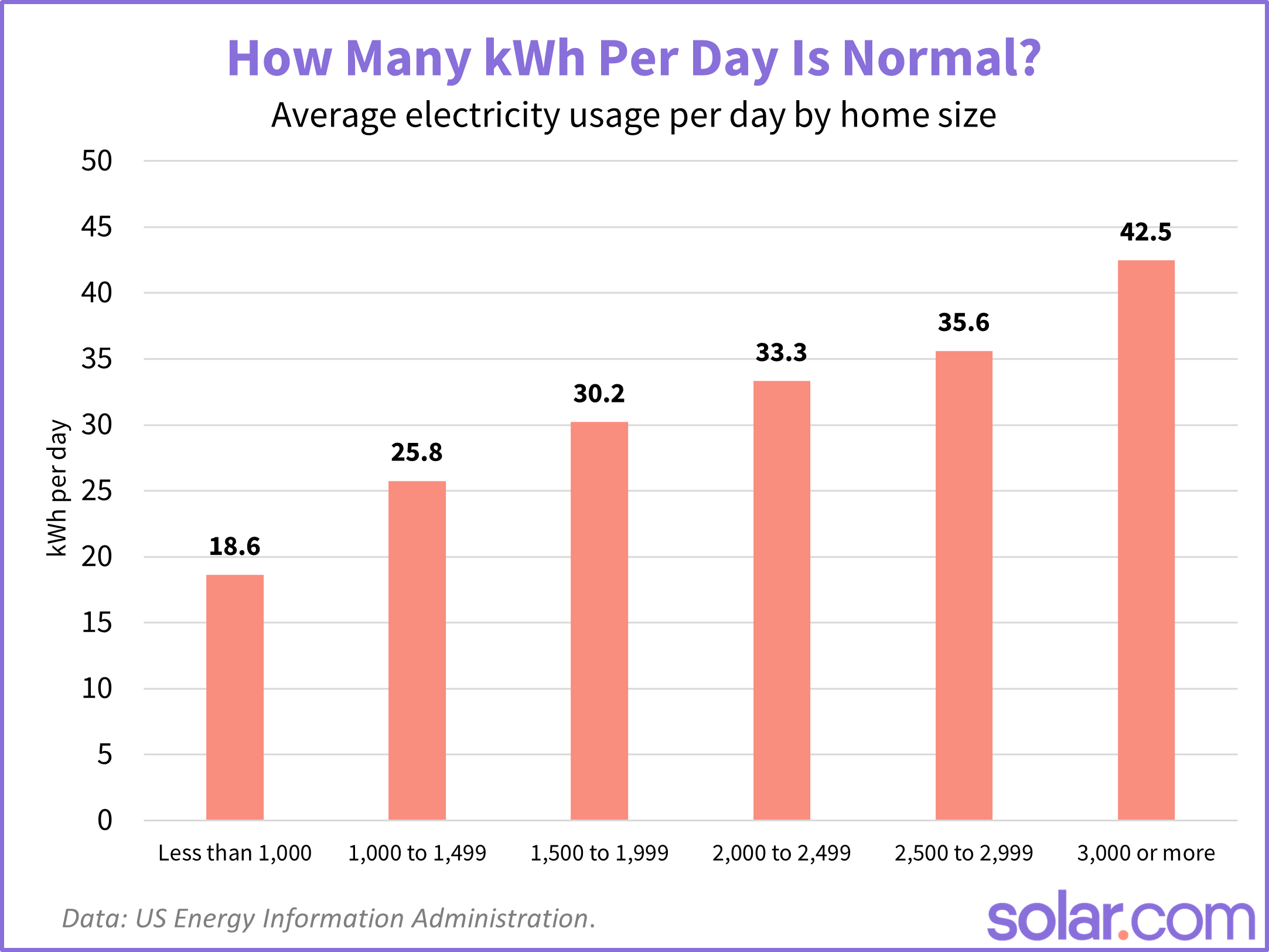
Let's cut to the chase. A typical US home uses around 30 kWh per day. That’s the magic number!
Must Read
But hold on a second. Before you start comparing your usage with your neighbor’s, remember that “average” is just that: an average.
Your actual consumption can swing wildly depending on a bunch of factors. Think of it like baking a cake - the recipe is a guideline, not a rigid rule.
What Makes Your Home Unique?
So, what are these "ingredients" that can change your home's energy appetite? Let’s dive in!
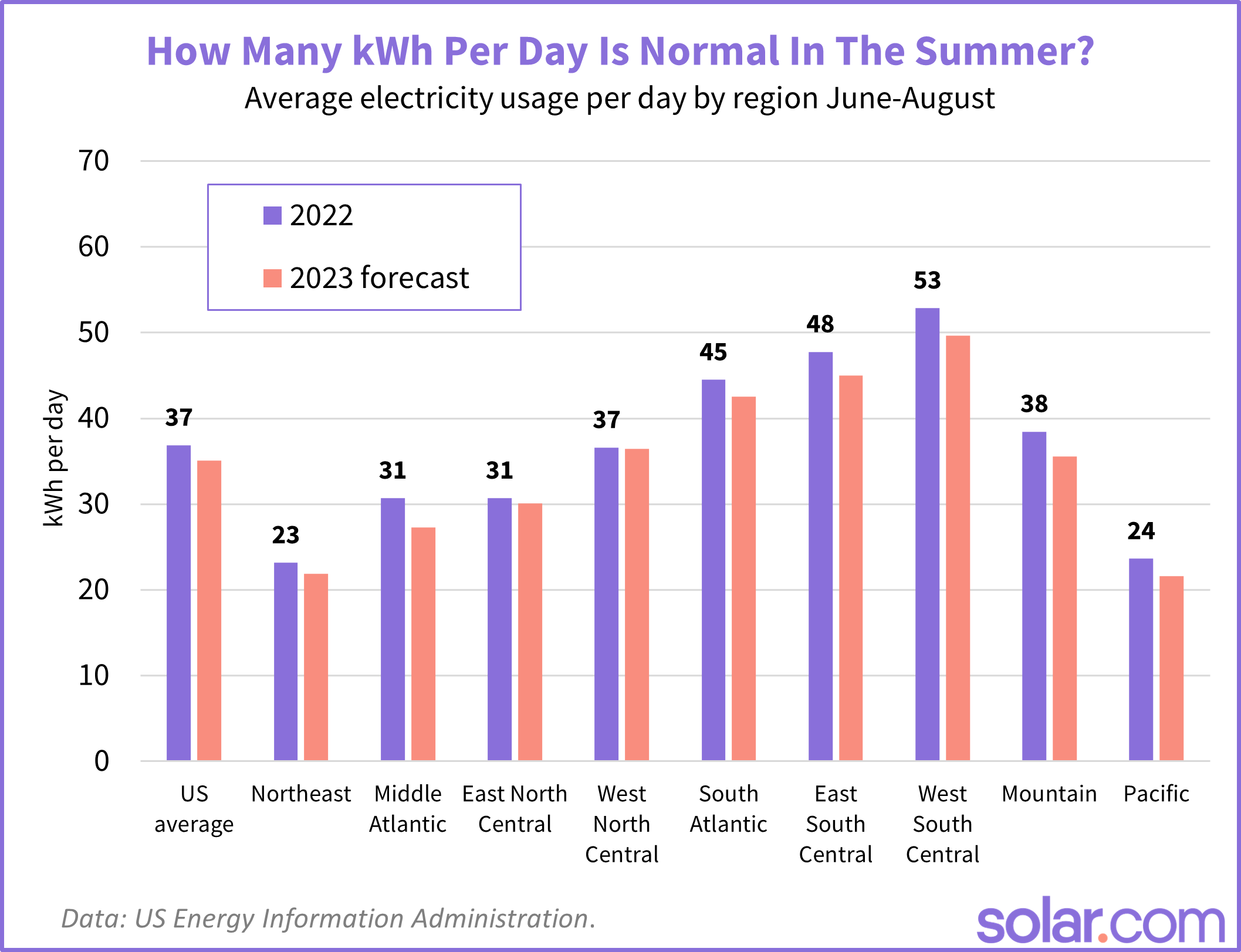
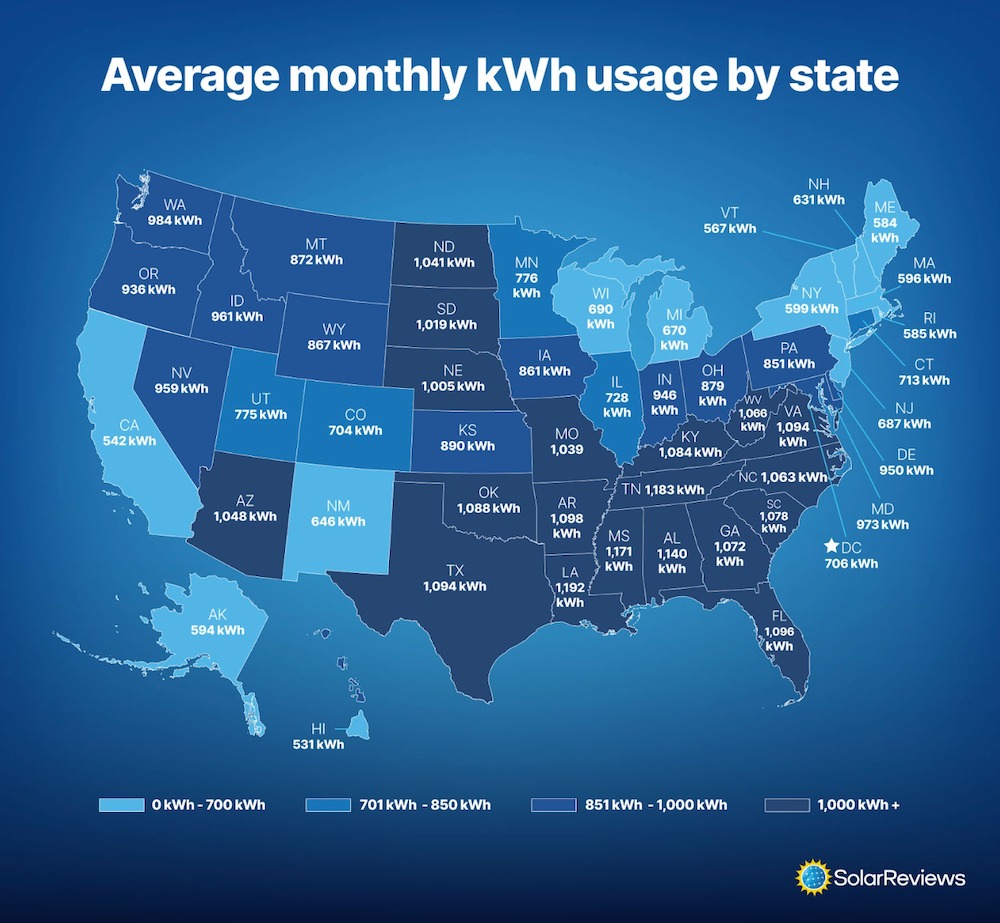
First up: your location, location, location! A cozy cabin in Alaska will likely use more kWh to keep warm than a beach bungalow in sunny California.
Air conditioning in the sweltering south versus cranking up the heat in the frigid north makes a huge difference.
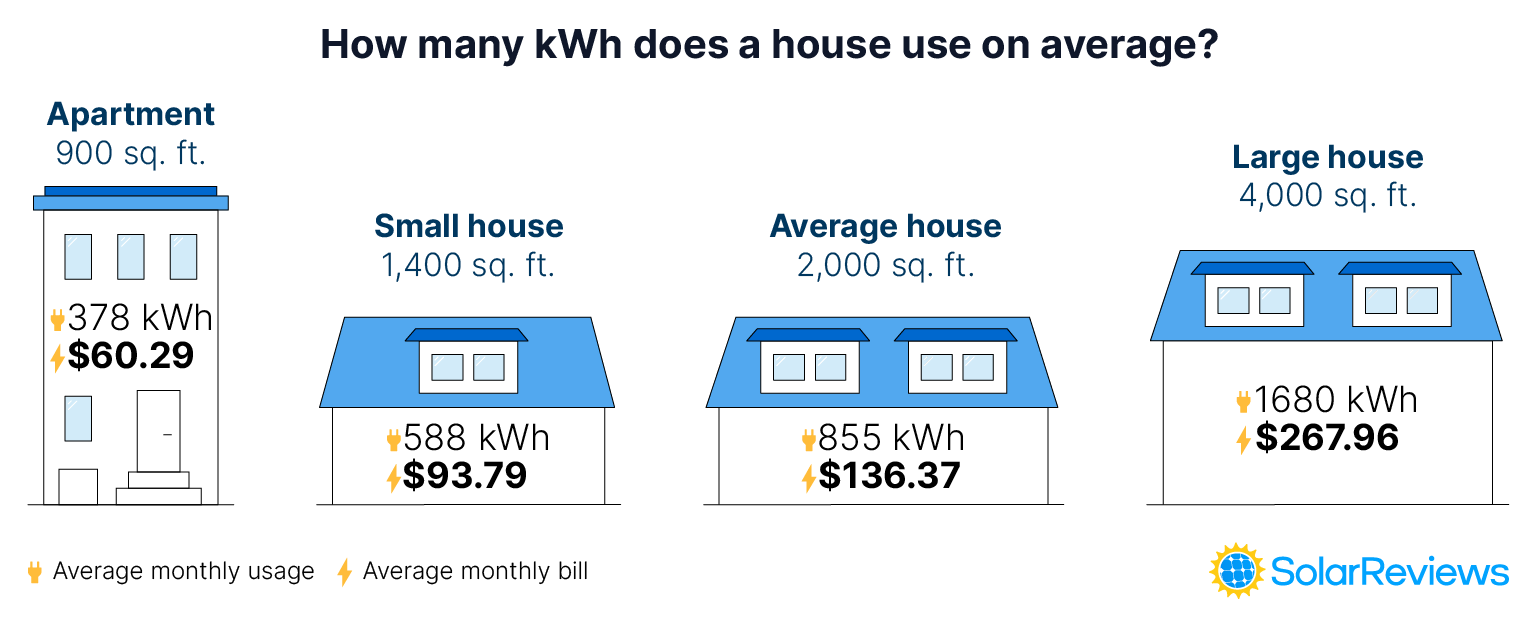
Then there's the size of your home. A sprawling mansion needs more energy to light, heat, and cool than a snug apartment.
The more square footage, the more energy needed, makes sense, right?
Your family size also plays a role. A household with two busy parents and five energetic kids is probably running the washing machine, dishwasher, and electronics far more than a retired couple.
More people equals more energy consumption, generally speaking. Think of all those showers!
Appliances: The Silent Energy Thieves (and Saviors!)
Let’s talk appliances! Your refrigerator is probably one of the biggest energy hogs, running 24/7 to keep your food fresh.
Old, inefficient models can be surprisingly expensive. Upgrading to a newer, Energy Star certified fridge can save you significant kWh each year.
Then there's your trusty washing machine and dryer. Choosing cold water cycles and line-drying clothes whenever possible is a simple way to cut back.
And who can forget the dreaded "phantom load"? This refers to the energy sucked up by devices even when they're turned off but still plugged in.
Televisions, phone chargers, and even some coffee makers can be sneaky energy vampires! Unplugging them when not in use can make a small but noticeable difference.
Lifestyle Choices: Small Changes, Big Impact
Believe it or not, your lifestyle has a massive impact on your energy usage. Are you a "lights-on-all-the-time" kind of person, or do you diligently switch them off when you leave a room?
Do you take long, luxurious showers, or are you a quick-rinse enthusiast? These small habits add up over time.

Think about your cooking habits too. Using a microwave or toaster oven for smaller meals consumes less energy than firing up the big oven.
It's all about being mindful of your energy consumption and making conscious choices to reduce it.
Beyond the Average: Finding Your Home's Energy Signature
So, how do you figure out your home's actual kWh usage? The easiest way is to check your electricity bill.
Most bills will show your average daily or monthly consumption. You can also use online energy calculators to estimate your usage based on your appliances and habits.
Many utility companies offer online portals where you can track your energy consumption in real-time. This can be a fun (and sometimes shocking) way to see where your energy is going.
It's like a fitness tracker for your house, but instead of steps, it counts kWh!
Embrace the Energy Detective Within You!
Take a walk around your house and think like an energy detective. Are there any drafts around windows or doors?
Is your insulation up to par? Sealing leaks and adding insulation can make a huge difference, especially in older homes.
Consider upgrading to energy-efficient light bulbs, like LEDs. They use a fraction of the energy of traditional incandescent bulbs and last much longer.
Every little bit helps in the grand scheme of things!
The Power of Awareness: Making a Difference
Understanding your home's energy usage is the first step toward making a positive change. Whether you're trying to save money on your electricity bill or reduce your carbon footprint, knowledge is power.
Start by making small, sustainable changes that fit your lifestyle. Turn off lights when you leave a room, unplug devices when not in use, and be mindful of your water usage.
You might be surprised how much of a difference these simple actions can make!
More Than Just Numbers: The Human Element of Energy
Let's not forget the human side of energy. Think about the comfort and convenience that electricity provides.
From keeping our homes warm in the winter to powering our entertainment systems, electricity is an integral part of our modern lives.
But with that convenience comes a responsibility to use energy wisely.
A Shared Responsibility: Building a Sustainable Future
Conserving energy isn't just about saving money; it's about protecting our planet for future generations.
By making conscious choices about our energy consumption, we can all contribute to a more sustainable future. It's about leaving a lighter footprint on the Earth.
And that's something we can all feel good about! Every kilowatt-hour saved counts.
Finding Joy in Energy Efficiency
Who says energy efficiency can't be fun? Challenge your family to see who can save the most energy each month. Make it a game!
Reward yourselves with a fun activity or a small treat for meeting your energy-saving goals. Turn it into a positive and engaging experience.
Maybe a pizza night or a movie marathon? The possibilities are endless!
In Conclusion: Embrace Your Energy Journey
So, how many kWh does an average home use per day? Around 30. But your home is not average; it's unique!
Embrace your energy journey, explore your usage patterns, and make conscious choices to reduce your consumption.
It's not just about numbers; it's about creating a more sustainable and fulfilling lifestyle. Happy saving!