
How Many Kwh Does A Solar Panel Produce Per Day
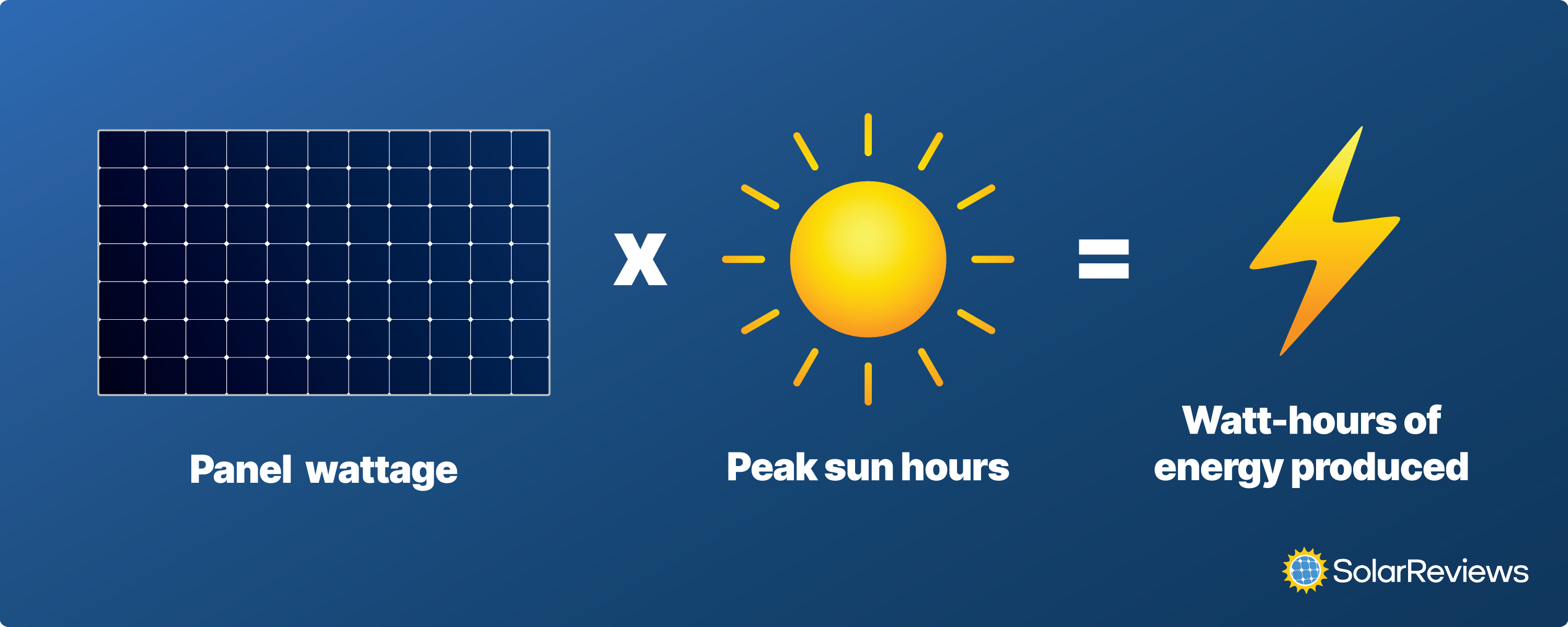
Ever wondered how much juice those shiny rectangles on your neighbor's roof are actually making? Let's talk solar panels and their daily kilowatt-hour (kWh) production. Get ready for some solar-powered fun!
The answer, like most things in life, isn't a simple one. Brace yourself, because it depends! (I know, I know, nobody likes that answer.)
Location, location, location! Think sunny Arizona versus, well, not-so-sunny Seattle. Huge difference, right?
Must Read
Sunlight: The Panel's Power Source
First, let's get real about sunshine. More sun = more power. Seems obvious, but it's the golden rule of solar.
Imagine a solar panel like a super-thirsty plant. It loves direct sunlight. Shade? Not so much.
Think about it. Would you rather sunbathe in the Caribbean or under a grumpy cloud? Your solar panel feels the same way.
Tilt and Orientation: Getting the Angle Right
The angle of your panels matters too. Think of it like tilting a glass to catch the most rain. You gotta angle it just right.
South-facing panels are generally the winners in the Northern Hemisphere. Sorry, north-facing panels, you're getting short-changed. (My unpopular opinion: North-facing panels are only good for melting snow… slowly.)
The ideal tilt angle usually matches your latitude. But who’s got time for protractors and complicated math? A professional installer does!
Panel Size and Efficiency: The Nitty-Gritty
Now, let's talk panel specifics. A bigger panel generally produces more power. Makes sense, right? More surface area to grab those sweet solar rays.
Panel efficiency is also key. A super-efficient panel squeezes more power out of the same amount of sunlight. It's like getting more juice from your orange!
![How much electricity do solar panels produce? [UK, 2024]](https://images.prismic.io/sunsave-website/ZnxEJZbWFbowe4jR_graphic-Solarpaneloutput.jpg?auto=format,compress?auto=compress,format)
Efficiency is measured as a percentage. The higher the percentage, the more power you're getting. Think of it as the panel's IQ.
The 1kW Rule: A Handy Guideline
Here's a handy rule of thumb: a 1kW solar panel system typically produces around 4 kWh per day. That's in a sunny location, of course.
But remember, that’s just an average. Your actual mileage may vary.
Think of it like gas mileage in a car. The sticker says one thing, but your lead foot says another. It all depends on how you drive (or, in this case, how the sun shines).
Weather's Whims: Cloudy Days and Their Impact
Ah, the weather. The ultimate wildcard. Cloudy days are the enemy of solar production.
A cloudy day can knock your production down significantly. We're talking a serious hit.
Think of it as your solar panel going on strike. It's still there, but it's not really working very hard. (My unpopular opinion: cloudy days were invented by the electric company.)
Seasonal Swings: Summer vs. Winter
Summer means longer days and more intense sunlight. Happy solar panels!
Winter means shorter days and less intense sunlight. Sad solar panels.
It’s a solar panel's annual roller coaster of emotions. Up in the summer, down in the winter. Just like us!
System Size: Scaling Up Your Solar Power
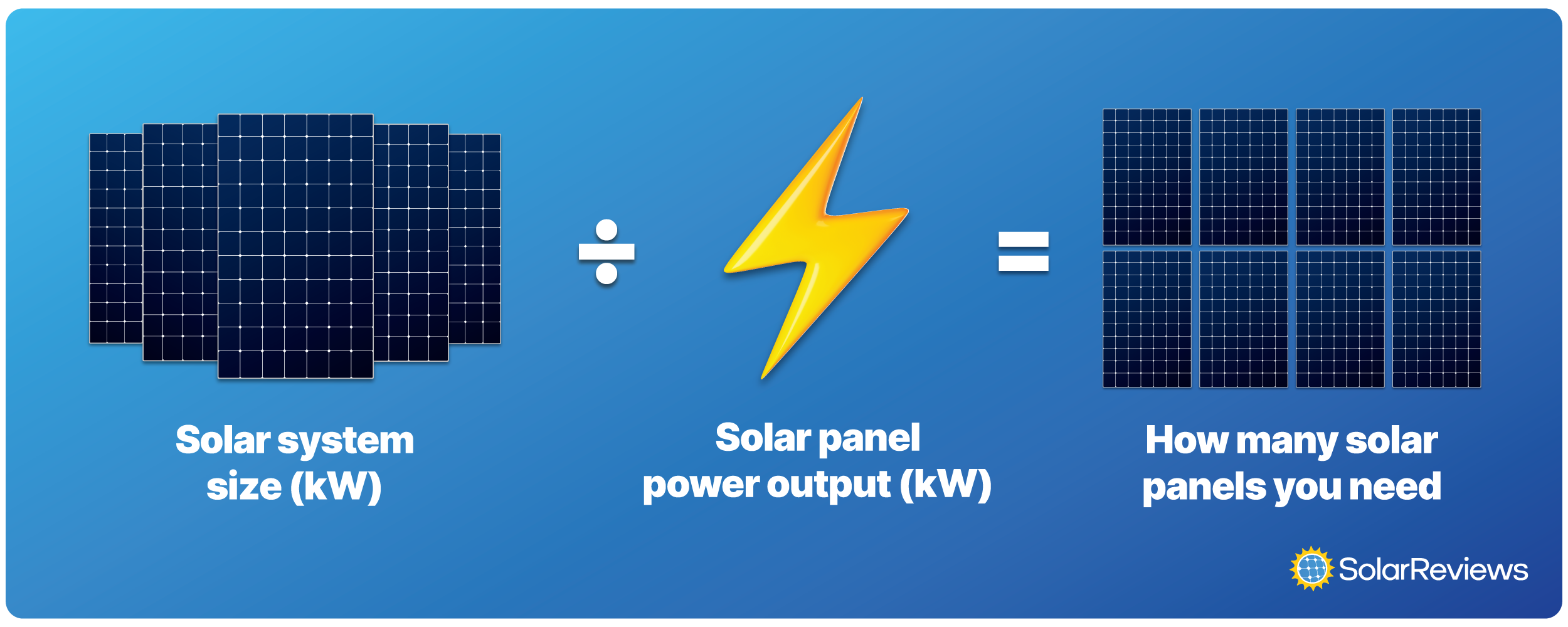
The size of your entire solar system matters. A bigger system means more panels, which means more power. Simple, right?
A typical residential solar system is around 5kW. That could produce around 20 kWh per day in ideal conditions.
But don't go overboard! You want to match your energy needs. Otherwise, you're just generating excess power that you may or may not get paid for.
Calculating Your Own Production: A Rough Estimate
Want to get a rough estimate of your potential solar production? Multiply your system size (in kW) by 4.
That will give you a very rough estimate of your daily kWh production. Remember to adjust for your location and weather patterns.
Or, you know, just call a solar installer. They have fancy tools and can do the math for you. (My unpopular opinion: math is best left to the professionals... unless it involves calculating pizza slices.)
Other Factors: Shade, Dirt, and Panel Age
Trees are beautiful, but they can cast shade on your panels. Shade = reduced production. Trim those branches!

Dirt and debris can also block sunlight. Keep your panels clean. It's like giving them a spa day.
Solar panels also degrade over time. Their efficiency decreases slightly each year. It's just like us getting a little slower with age. (But hey, at least solar panels don't get wrinkles.)
Net Metering: Selling Excess Power Back to the Grid
Net metering allows you to sell excess solar power back to the grid. It's like getting paid for being environmentally friendly. Pretty cool, right?
Not all states offer net metering, so check your local regulations.
It's a great way to offset your energy costs. Plus, you can brag to your neighbors about how you're helping save the planet. (My unpopular opinion: bragging about being environmentally friendly is totally acceptable.)
Real-World Examples: Let's Get Specific
Okay, let's look at some real-world examples. A 5kW system in sunny California might produce around 25 kWh per day in the summer.
The same system in cloudy Washington might only produce 10 kWh per day in the winter.
See the difference? Location, location, location! It really does matter.
Why Getting a Professional Opinion is Worth It
Ultimately, the best way to determine how much kWh a solar panel produces per day is to consult with a qualified solar installer.
They can assess your specific location, roof orientation, and energy needs. They'll also take into account local weather patterns and shading.
Plus, they can help you navigate the confusing world of solar incentives and rebates. (My unpopular opinion: solar installers are the superheroes of the energy world.)
In Conclusion: Solar Power is Awesome!
So, how many kWh does a solar panel produce per day? It depends! But hopefully, this article has given you a better understanding of the factors involved.
Solar power is a clean, renewable energy source. It's a great way to reduce your carbon footprint and save money on your electricity bill.
Go solar! You won't regret it. (Unless you live under a permanent cloud. Then maybe consider a different energy source.)
Don't wait, let's harness the power of the sun! It's free, it's clean, and it's waiting to be used. You're not only saving money, but also contributing to a greener planet, one kilowatt-hour at a time. Let the sun shine!
Consider the long-term benefits! Even on days when production is lower, the cumulative effect of solar energy is significant. It's a sustainable investment for the future.
Think about energy independence! Solar panels give you more control over your energy supply. It reduces reliance on traditional power sources.