How Many Kwh Does A House Use
Ever get that little brown envelope (or these days, that email notification) from the electricity company and brace yourself for impact? You open it, scan the numbers, and inevitably land on that mysterious line: Total kWh Used. It's often followed by a price tag that makes your eyebrows do a little dance. You might even mutter, "How on earth did we use that much?"
Well, my friend, you're not alone. Figuring out how many kilowatt-hours (that's what kWh stands for, by the way – don't worry, we don't need to get all scientific) an average house chews through in a month is a bit like trying to herd cats. Or, more accurately, like trying to predict how many slices of pizza your teenage nephew will eat at a party. It varies wildly!
The Big Gulpers: What Sips and What Chugs?
Think of your home as a bustling city, and every appliance is a little resident with its own energy appetite. Some are like that polite neighbor who only ever borrows a cup of sugar. Others? They're throwing a full-blown block party every single day.
Must Read
The Usual Suspects: The Heavy Hitters
Let's start with the undisputed heavyweight champions, the ones that really make your meter spin like a hamster on a wheel:
- Heating and Cooling (HVAC): Oh, boy. These guys are the rockstars of your energy bill. Want to be toasty warm when it's freezing outside? Or cool as a cucumber when it’s hotter than a jalapeño in a sauna? Your HVAC system is working overtime, often accounting for a whopping 40-50% of your total usage. It’s like having a dedicated fan club that follows you everywhere, demanding constant energy.
- Water Heater: Ever marvel at how quickly you can get a hot shower? That luxury comes at a price. Heating water is a big job, and your water heater is constantly on standby, ready to make things steamy. It’s the unsung hero that often gets overlooked but pulls a significant weight, especially if you have a household full of shower enthusiasts (or teenagers who believe "quick shower" means 30 minutes).
- Refrigerator: It’s always on, silently humming, keeping your leftovers safe and your ice cream frozen. It’s the ultimate always-on appliance, like that one friend who never leaves the party. While it doesn't have the sudden power surge of an AC, its continuous operation means it adds up over time. It’s a marathon runner, not a sprinter.
The Sneaky Sippers: They Add Up!
Then there are the appliances that seem innocent enough, but together, they form a formidable energy posse:
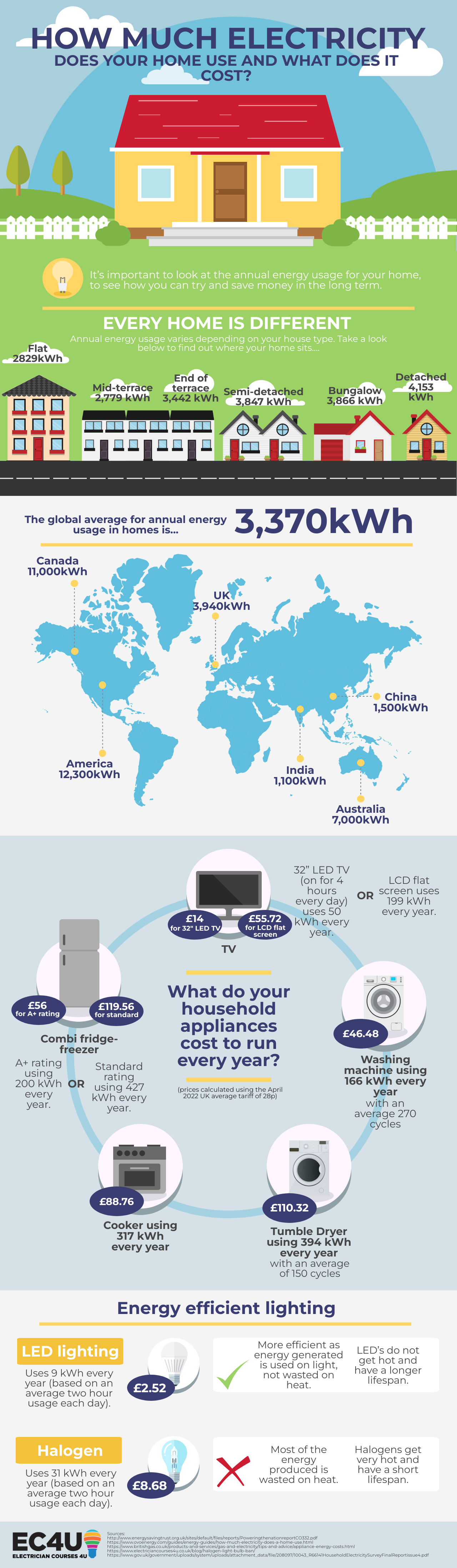
- Laundry Room Companions: Washer and dryer. If you have kids, these machines are practically sentient, running non-stop. One load after another, sometimes it feels like a never-ending cycle of socks and shirts. Each spin and tumble adds a little something to your kWh tally.
- Entertainment Galore: Big screen TVs, gaming consoles, sound systems. When you’re binging your favorite show or battling dragons, these devices are drawing power. Even when they're "off," many are in standby mode, quietly sipping electricity like a vampire at a blood bank.
- The Digital Menagerie: Laptops, desktop computers, chargers for phones and tablets. They might not seem like much individually, but multiply that by everyone in the house, and you've got a small army of gadgets all demanding their daily dose of juice. It’s like having a flock of digital pigeons, each pecking away at your power supply.
- Kitchen Gadgets: Toasters, blenders, coffee makers, microwaves. They're quick bursts of energy, but if you’re making toast, blending smoothies, and brewing coffee every morning, it's like a mini energy party before you've even had your first sip of caffeine.
So, What's the Magic Number?
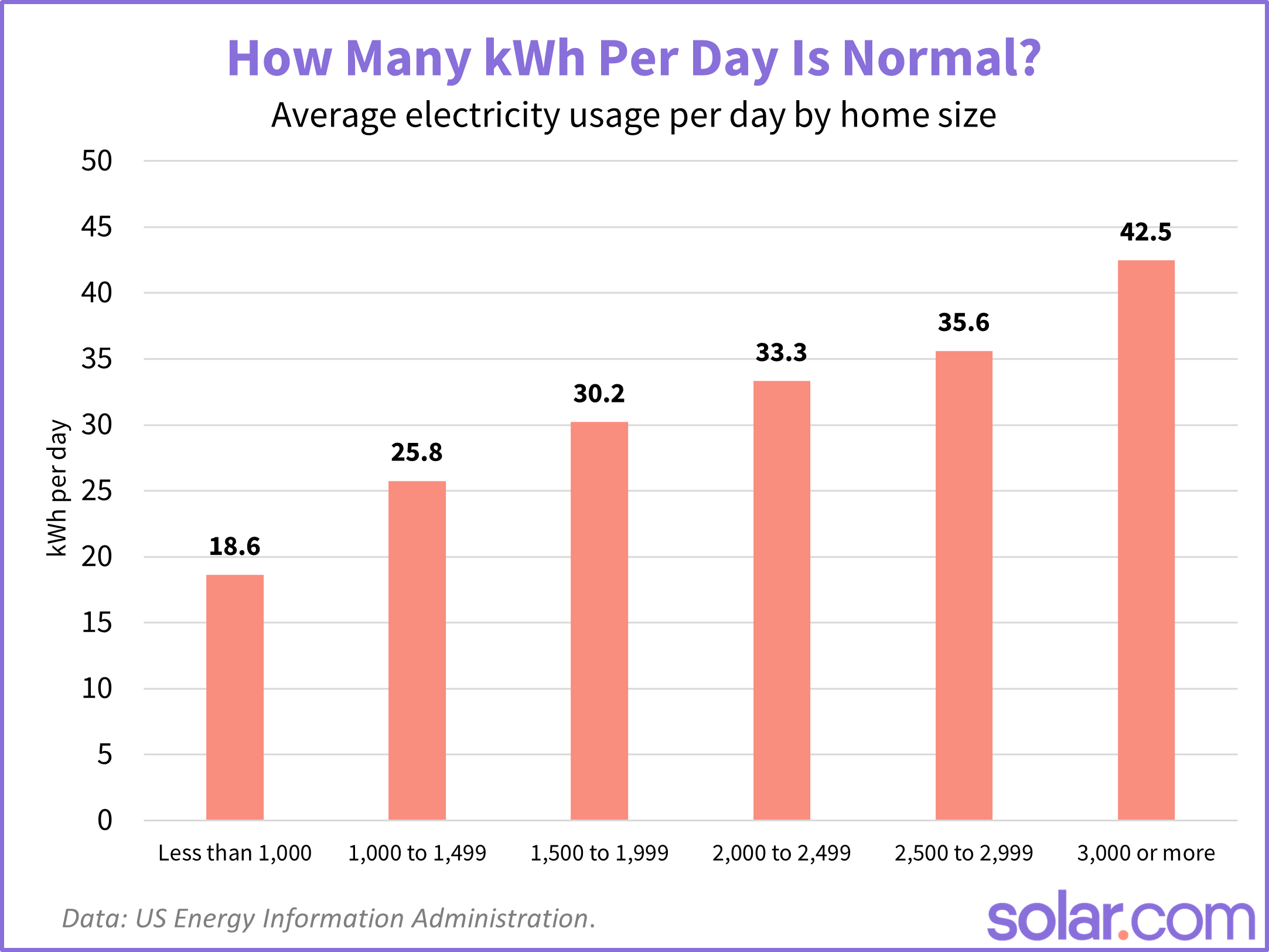
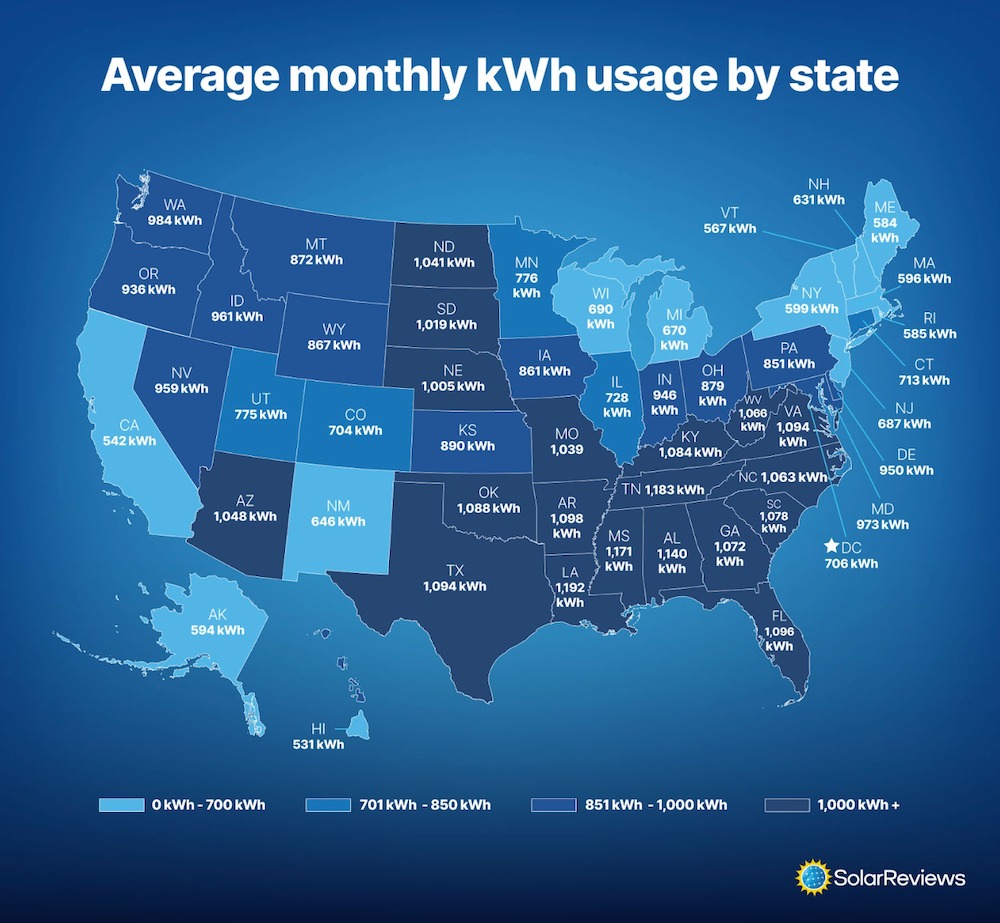
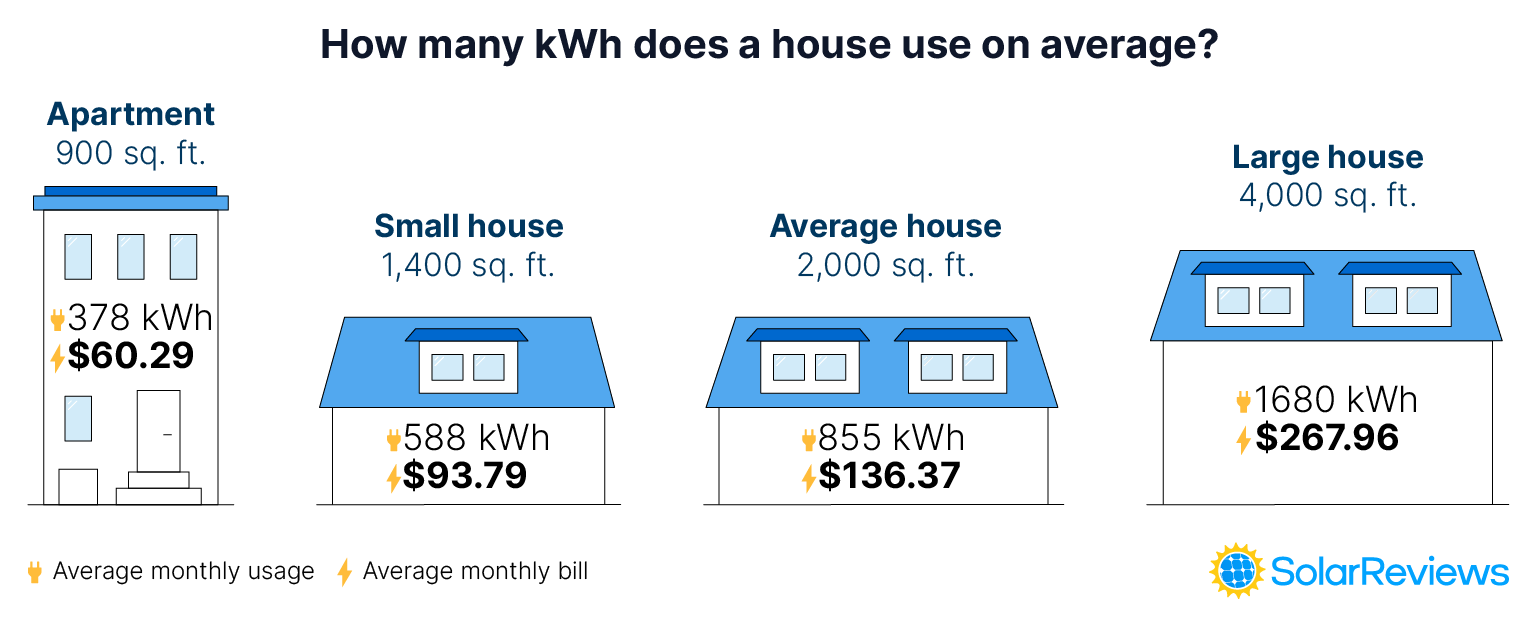
Alright, alright, I know you're still wondering about a concrete number. On average, a typical U.S. household uses somewhere in the ballpark of 800 to 1,000 kWh per month. Yep, hundreds! But remember, that's just an average.
Your personal number could be lower if you live in a small apartment and are a diligent energy-saver, or significantly higher if you have a sprawling mansion, a swimming pool, a hot tub, or a family reunion happening every weekend. Climate also plays a huge role; living in sunny Florida often means a higher AC bill, while a snowy New England winter means the heater works overtime.
It’s like asking, "How much does a car cost?" Well, a lot depends on whether you're eyeing a rusty old pickup or a sleek, brand-new sports car, right? Same goes for your electricity bill.
The Takeaway: Awareness is Key (Not Obsession!)
The point isn't to walk around your house in the dark, unplugging every single thing with the fervor of a secret agent defusing a bomb. It's simply about being aware. Next time you crank up the AC or leave a dozen lights on for no reason, you might just have a little mental flash of those kWh numbers doing a happy dance.
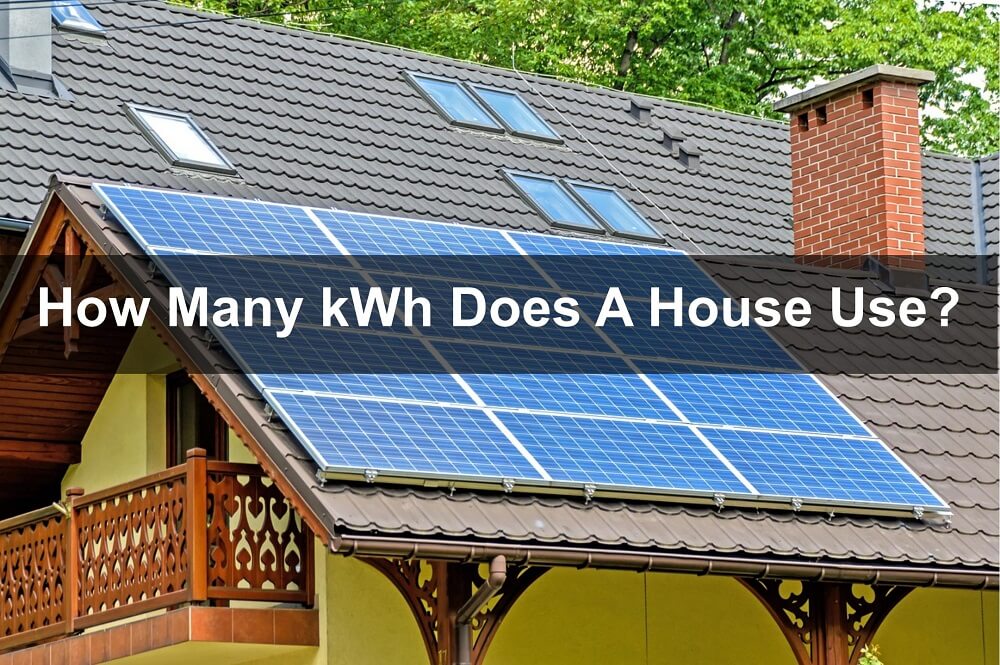
Little changes, like turning off lights when you leave a room, setting your thermostat a few degrees higher in summer or lower in winter, or even unplugging chargers when not in use, can actually make a difference. Think of it as gently nudging your energy bill, rather than wrestling it into submission.
So, the next time that bill arrives, you won't be quite so surprised. You'll smile, maybe even nod, and think, "Ah yes, that's the price of my cozy life, my hot showers, and my epic Netflix binges." And perhaps, just perhaps, you'll feel a little more in control of those mysterious kWh.