
How Many Kwh Does A 2 Bedroom Apartment Use
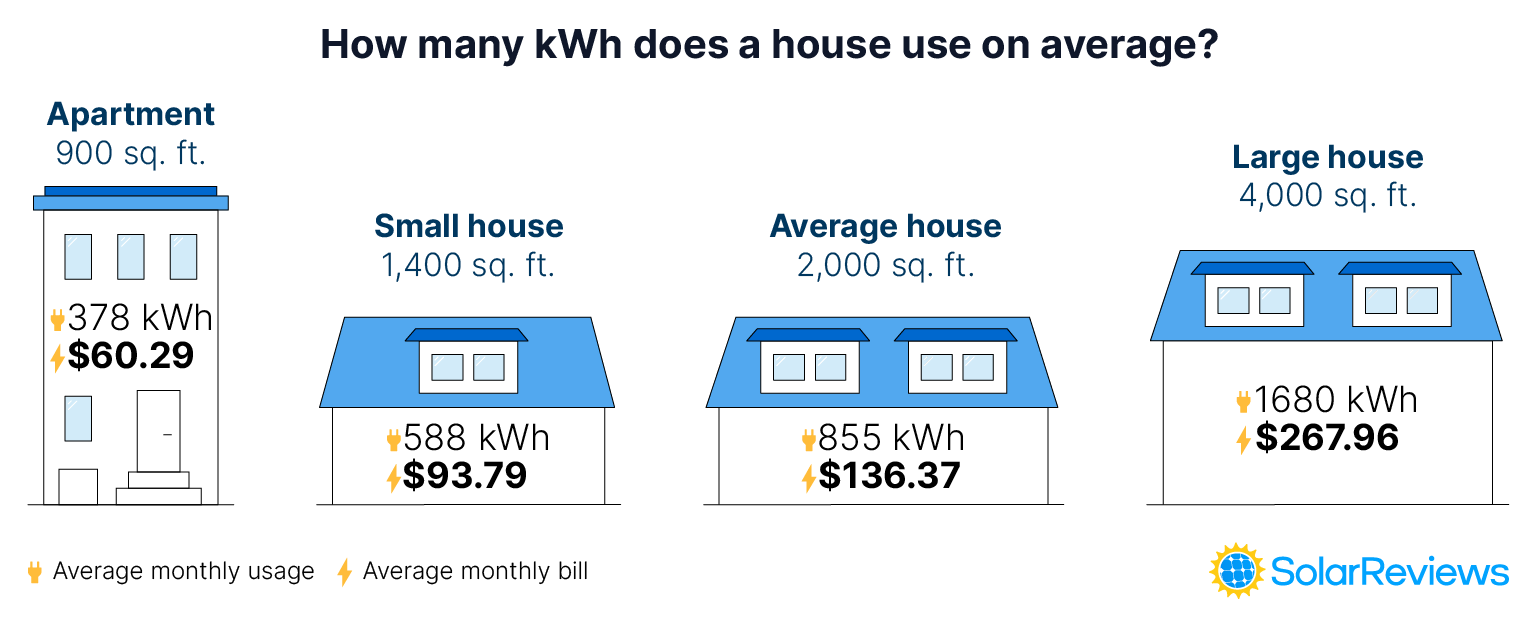
Okay, so picture this: I'm standing in line at the coffee shop, eavesdropping (totally accidentally, I swear!) on two people arguing about their electric bill. One was convinced the other was secretly running a crypto mining operation out of their apartment. The accusation? “How could two people possibly use that much electricity in a 2-bedroom apartment?!" That got me thinking… how much should a 2-bedroom apartment use?
Turns out, there's no one-size-fits-all answer. But we can definitely break it down and get a reasonable idea. Let’s dive in, shall we? Prepare for some electricity sleuthing!
The Big Question: kWh Unveiled
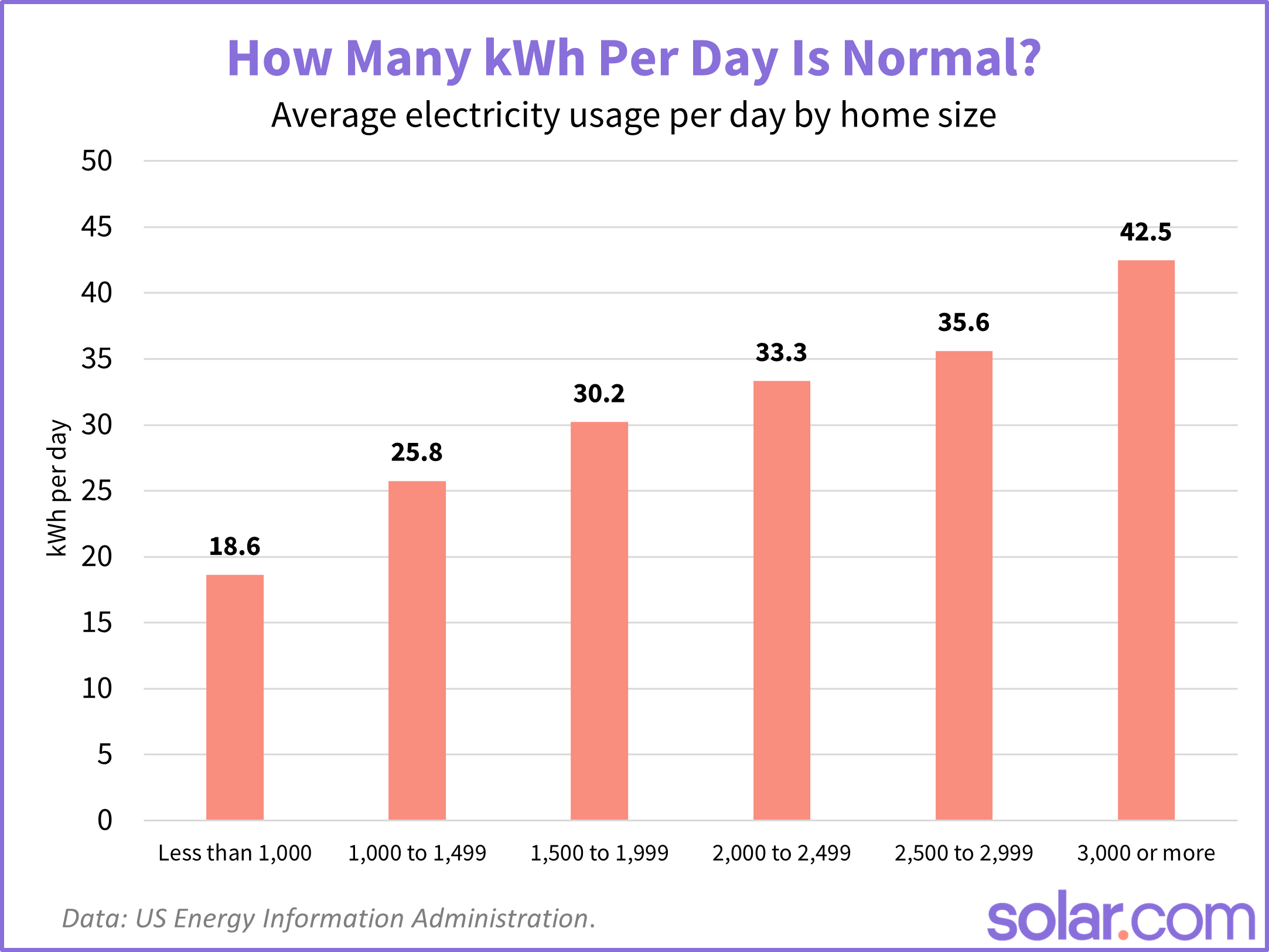
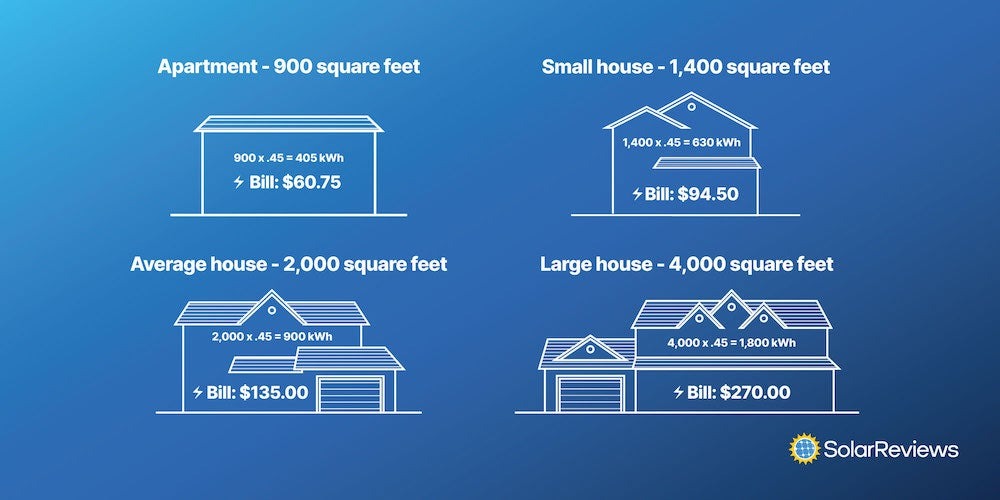
So, the main question: how many kilowatt-hours (kWh) does a 2-bedroom apartment typically use? The answer usually falls somewhere between 500 kWh and 1000 kWh per month. But, HUGE caveat: that’s a very broad range. Think of it like saying "how tall is a person?" Well, it depends, right?
Must Read
Factors like location (hello, air conditioning!), lifestyle, and even the age of your appliances play a major role. (Seriously, a fridge from the 70s? Beautiful vintage, but probably a power hog!).
Location, Location, Location (and Climate!)
Where you live is a huge factor. If you're in sunny Arizona, blasting the AC 24/7 from May to September, your energy consumption will be WAY higher than someone in, say, Seattle, where you might only need to turn on the heat a few times a year. Think about it: that Arizona bill is probably going to be paying for survival.

And don’t forget about the type of heating and cooling system you have. Electric heat is generally more expensive than natural gas. And those window AC units? Inefficient monsters! (Confession: I used to have one. The electric bill? Terrifying.)
Lifestyle Choices (Are You a Homebody?)
Are you a Netflix-and-chill kind of person who spends all weekend at home? Or are you more of an "out and about" type, barely in your apartment except to sleep? This makes a massive difference.
.jpg)
Think about it: if you're always out, you're not using your lights, TV, computer, or cooking appliances. But if you're a homebody, those devices are probably humming along for hours each day. Be honest with yourself - are you leaving lights on unnecessarily? (We've all been there!).
Appliance Efficiency: The Silent Energy Killers
Old appliances are often energy vampires. Seriously! They might look cute, but they’re sucking power like nobody's business. A new, energy-efficient refrigerator can save you a surprising amount of money over the long run. Look for the Energy Star label! It's like a gold star for being energy conscious.
Also, think about smaller appliances like your microwave, toaster, and even your phone charger. Are you unplugging them when you're not using them? Even when they're "off," they can still draw a tiny bit of power – called phantom load or vampire power. It adds up!
How to Get a More Accurate Estimate
Want a more precise estimate for your specific 2-bedroom apartment? Here are a few things you can do:
- Check your past bills: Your electric company probably provides a breakdown of your kWh usage over time. This is your best starting point!
- Use an online energy calculator: There are tons of free calculators online that let you estimate your energy usage based on your appliances and lifestyle.
- Consider a home energy audit: Some utility companies offer free or low-cost energy audits. They'll come to your apartment and identify areas where you can save energy. Pretty neat, huh?
The Bottom Line (and a Few Tips)
So, yeah, somewhere between 500 kWh and 1000 kWh per month is a rough estimate. But remember, it's all about your specific situation. The coffee shop argument was probably fueled by a lack of information and maybe a little bit of suspicion!
Here are a few quick tips to lower your energy consumption (and your bill!):
- Switch to LED light bulbs. Seriously, do it.
- Unplug electronics when you're not using them.
- Wash clothes in cold water.
- Limit your AC usage (if possible).
- Seal any drafts around windows and doors.
Happy energy saving!