How Many Kw Hours Does An Average House Use
Ever woken up to the heavenly aroma of freshly brewed coffee? Switched on your favorite show after a long day? Or perhaps enjoyed the sheer bliss of stepping into an air-conditioned home on a sweltering afternoon? We often take these everyday miracles for granted, but behind every comforting hum and instant gratification lies an unseen force: electricity. It's the silent, tireless workhorse that powers our modern lives, turning mundane tasks into effortless routines and dull moments into vibrant experiences.
Electricity isn't just about convenience; it's the very backbone of contemporary living. It keeps our food fresh in the fridge, heats our water for a soothing shower, illuminates our homes after dark, and charges the devices that connect us to the world. Imagine a day without it – no morning toast, no internet, no comfort from the elements. It’s not just a utility; it’s the lifeblood of comfort, communication, and productivity. From your smartphone to the colossal data centers streaming your movies, every blink, beep, and byte is a testament to its indispensable role.
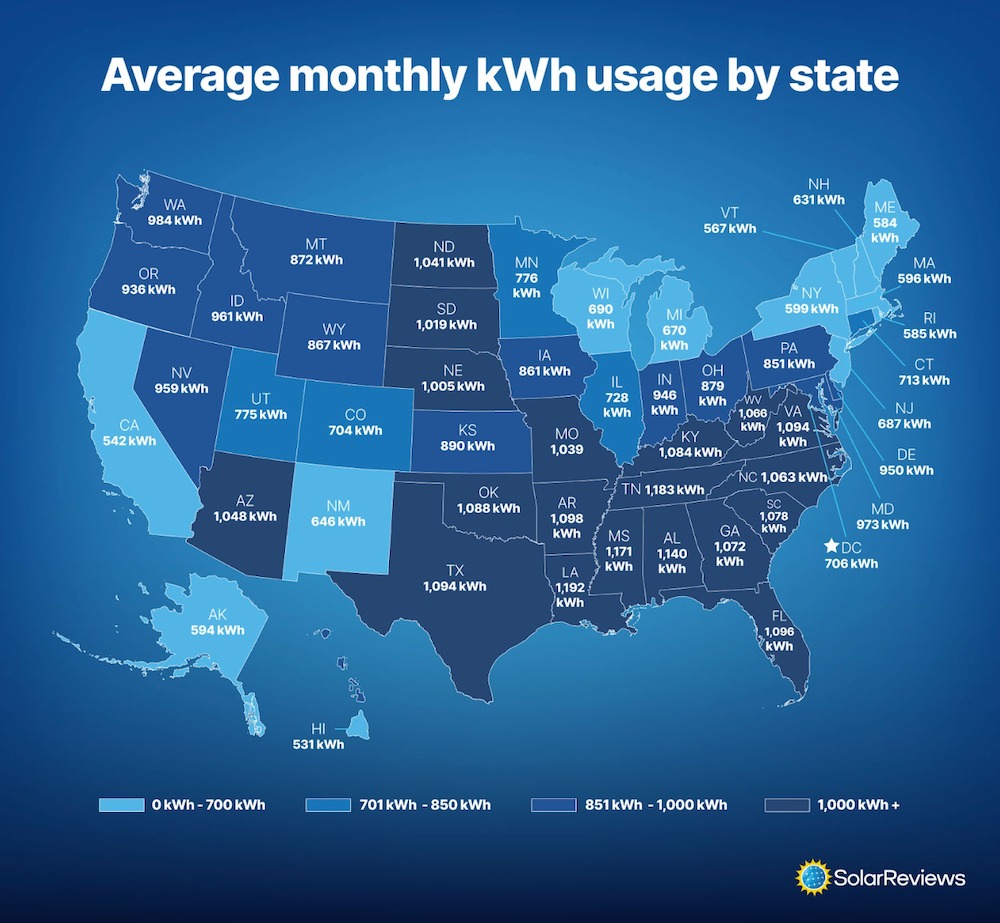
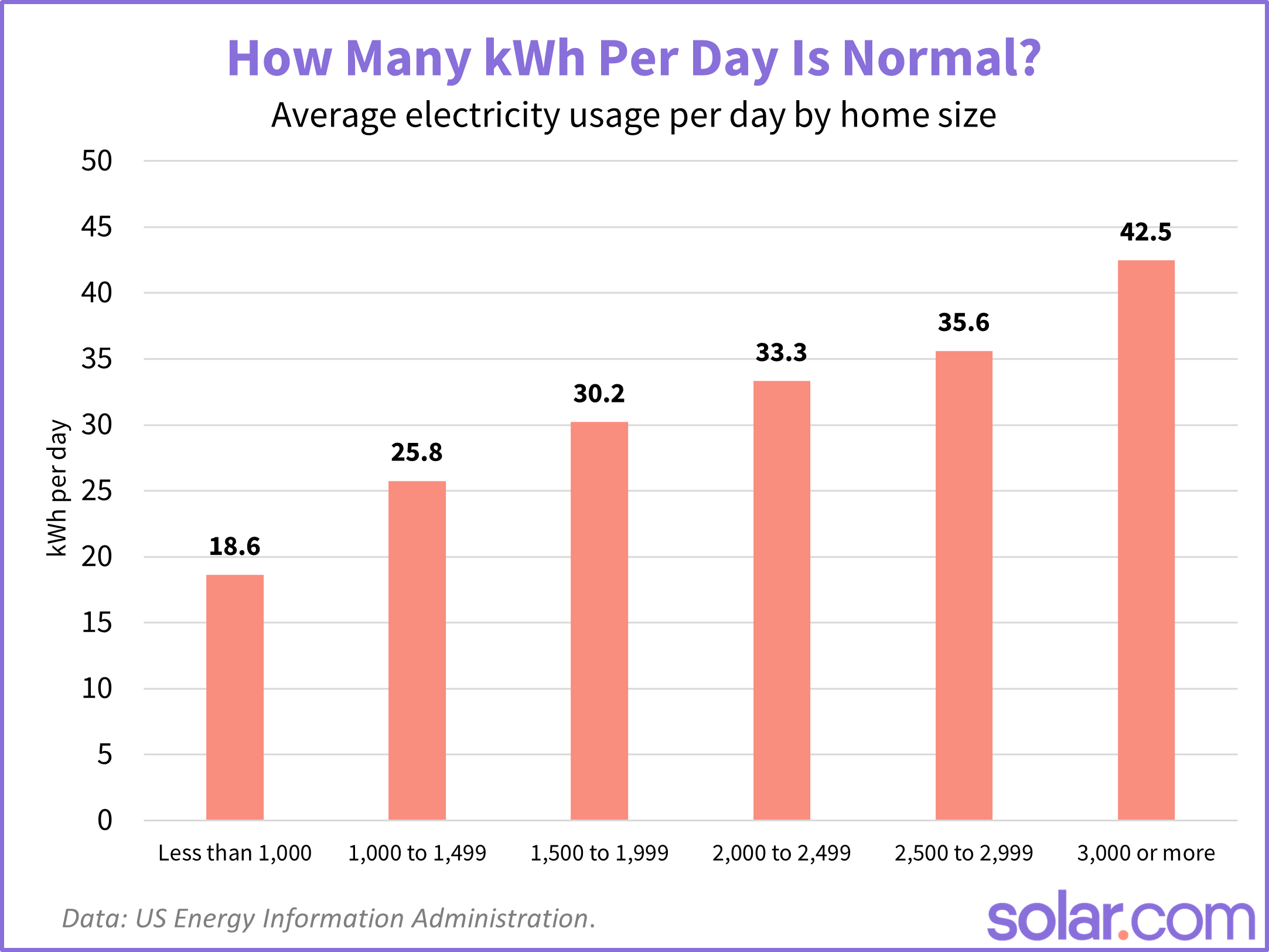
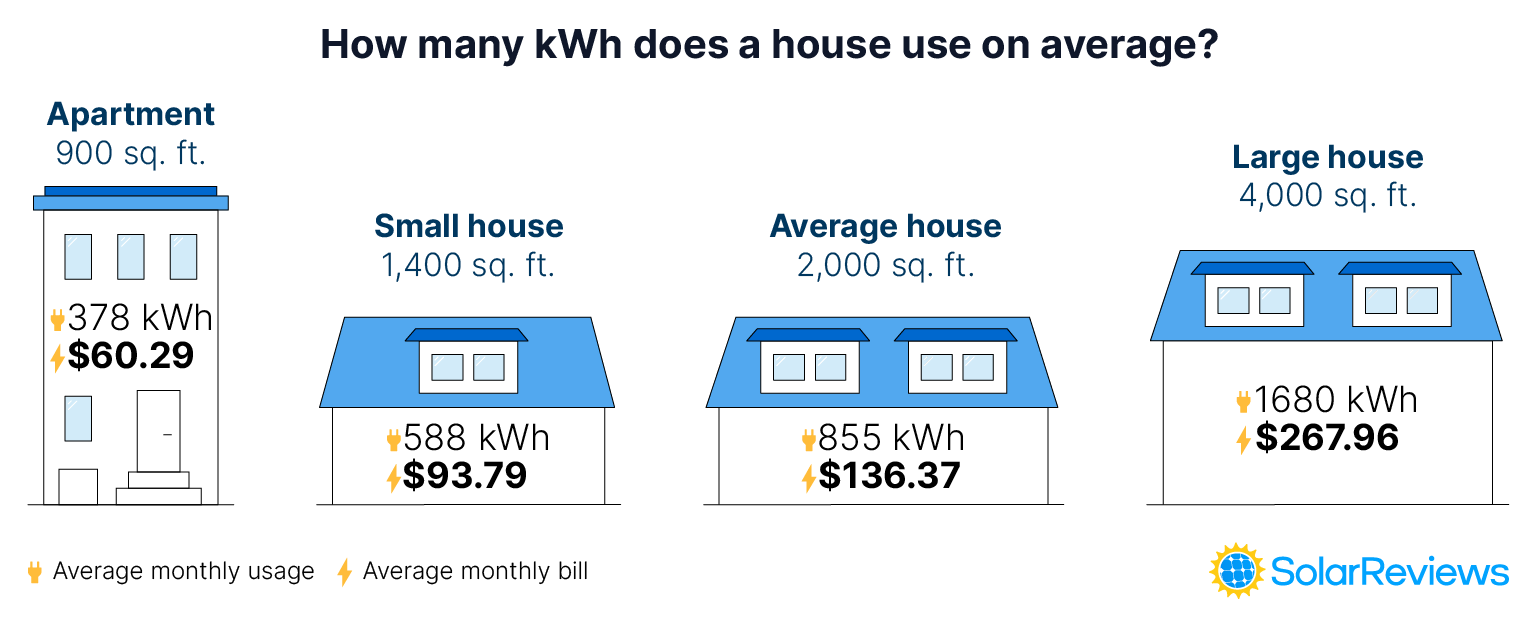
So, with all this incredible power at our fingertips, a natural question arises: how much of this magic do we actually use? We're talking about kilowatt-hours, or kWh – the unit that measures your home's energy appetite. Think of it as the odometer for your electricity consumption. On average, a typical American household consumes somewhere in the ballpark of 800 to 1,000 kWh per month. But here's the fun part: "average" is a bit like guessing how many jelly beans are in a jar without seeing the jar! Your actual usage can swing wildly based on a fascinating array of factors. Do you live in a cozy apartment or a sprawling suburban house? Is your climate mostly mild, or do you battle scorching summers and icy winters? How many people are showering, cooking, and binge-watching under your roof? All these variables play a starring role in your home's energy drama.
Must Read
The biggest energy hogs are often the most obvious: your heating and air conditioning (HVAC) system, the water heater, and that ever-vigilant refrigerator. But even seemingly small devices add up. That laptop charger, the TV on standby, or the coffee maker waiting for its morning cue are all drawing a little bit of power, even when they’re not actively in use – a phenomenon affectionately known as "vampire drain."
Now, for the practical tips on how to enjoy this powerful resource more effectively – and maybe even save some cash! Understanding your kWh usage empowers you to be an energy master. Start by embracing LED lighting; it’s a bright idea that uses a fraction of the power of old incandescent bulbs. Be mindful of those vampire devices; unplugging chargers and turning off power strips can make a surprising difference. Consider a smart thermostat to intelligently manage your heating and cooling – it learns your habits and optimizes temperature for comfort and efficiency. Sealing drafts around windows and doors, adding insulation, and even running your washing machine and dishwasher only when full can significantly trim down those kWh numbers.
By simply being a little more aware of where your energy goes, you're not just saving money; you're also playing a part in a larger movement towards sustainability. So, go forth and enjoy the incredible benefits of electricity, but do it wisely and effectively. Your wallet, and the planet, will thank you!