How Many Kilowatts Does The Average Home Use
Alright, settle in folks, because we're about to dive into the thrilling world of… kilowatt consumption! I know, I know, sounds like something only your accountant gets excited about. But trust me, understanding how much juice your average home slurps up is surprisingly useful. Think of it as unlocking a secret level in the game of adulthood.
So, How Many Kilowatts Are We Talking?
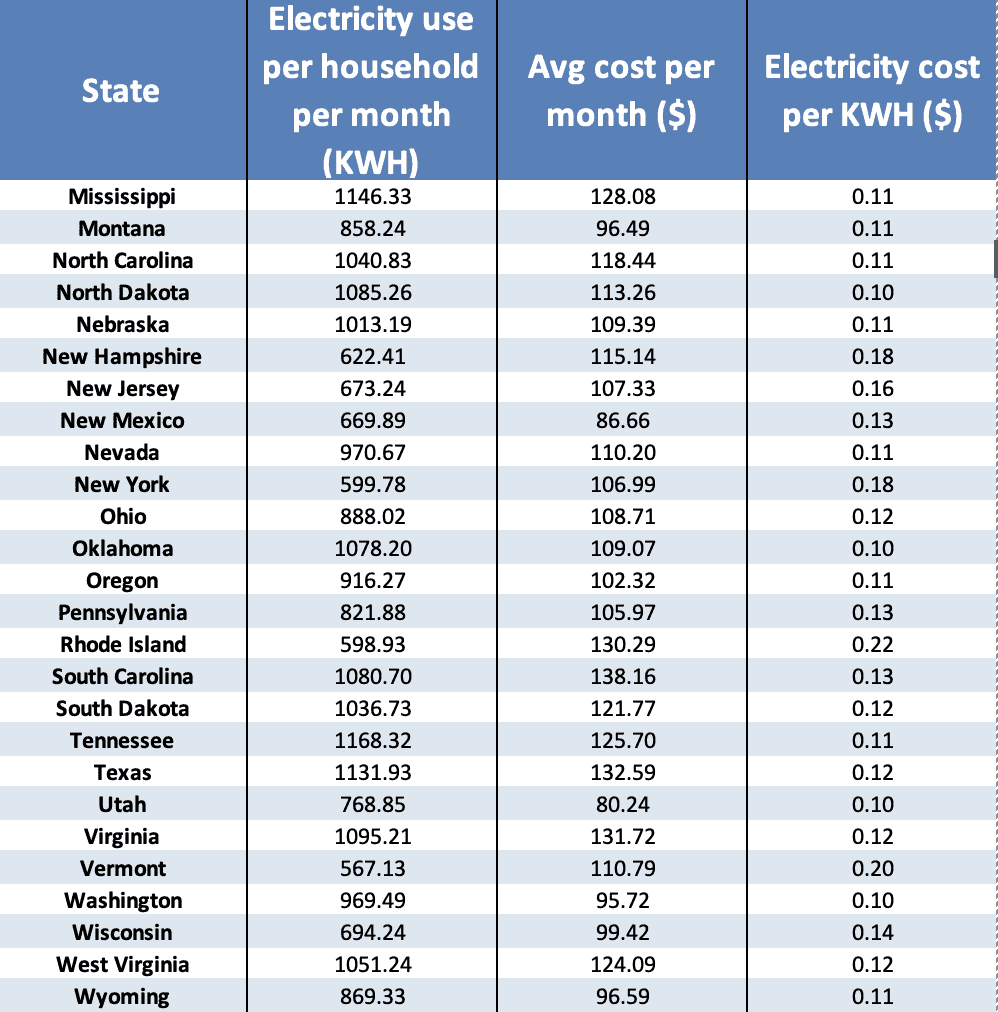
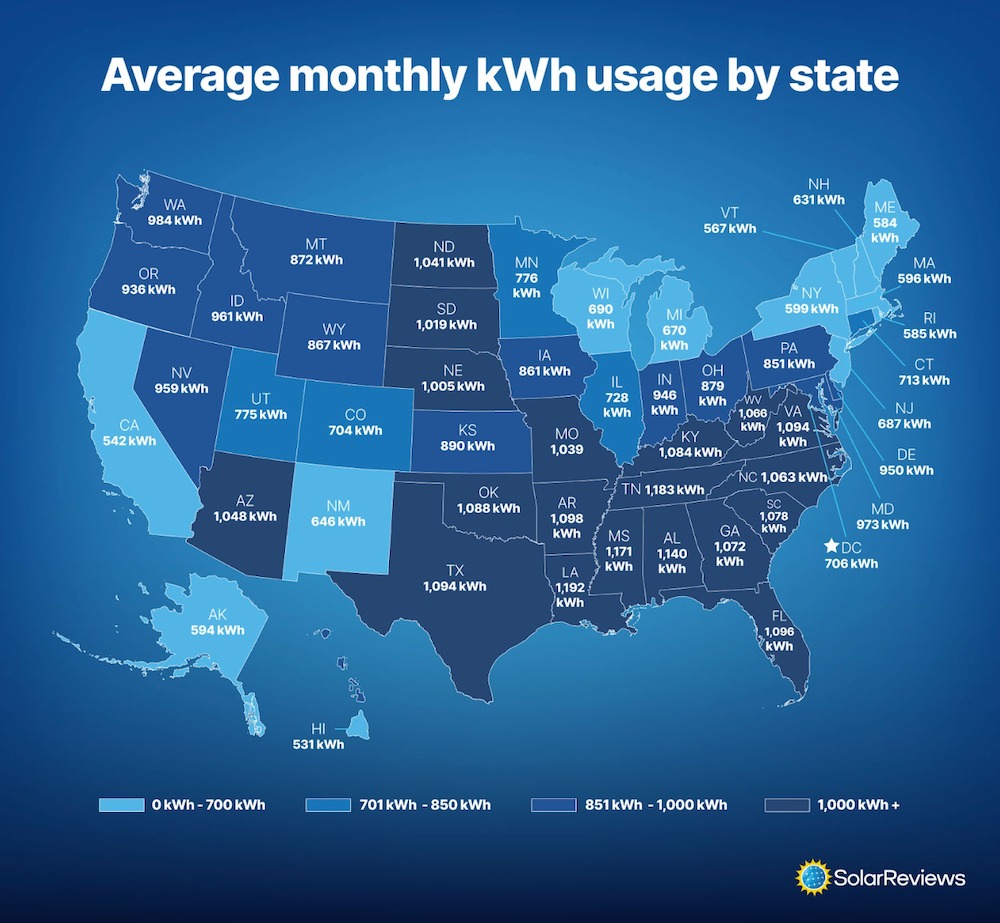
Okay, the suspense is killing me (and probably you too). The average US home uses around 10,649 kilowatt-hours (kWh) per year. Now, that's a big number, right? It sounds like enough power to launch a small rocket… or at least keep your fridge humming for, like, a decade. To break that down even further, that's roughly 887 kWh per month.
Imagine trying to explain that to a caveman. "Ugh, Grok need 887 kilowatt-hours to keep mammoth meat cold. Ugh." He'd probably just stare blankly and then club you. Electricity is a relatively new and wonderful thing, relatively speaking!
Must Read
Keep in mind, this is just an average. Your actual consumption might be wildly different. If you live in a tiny, energy-efficient apartment with solar panels and only use candles for lighting (romantic and frugal!), you'll be way below that number. If you're running a hydroponic tomato farm in your basement and have a server farm disguised as a gaming rig, you'll be blasting past it like a DeLorean hitting 88 mph.
Factors That Affect Your Kilowattage (Yes, That's a Word Now)
Several sneaky culprits can dramatically impact how much electricity your humble abode is guzzling. Let's shine a light (pun intended) on a few:
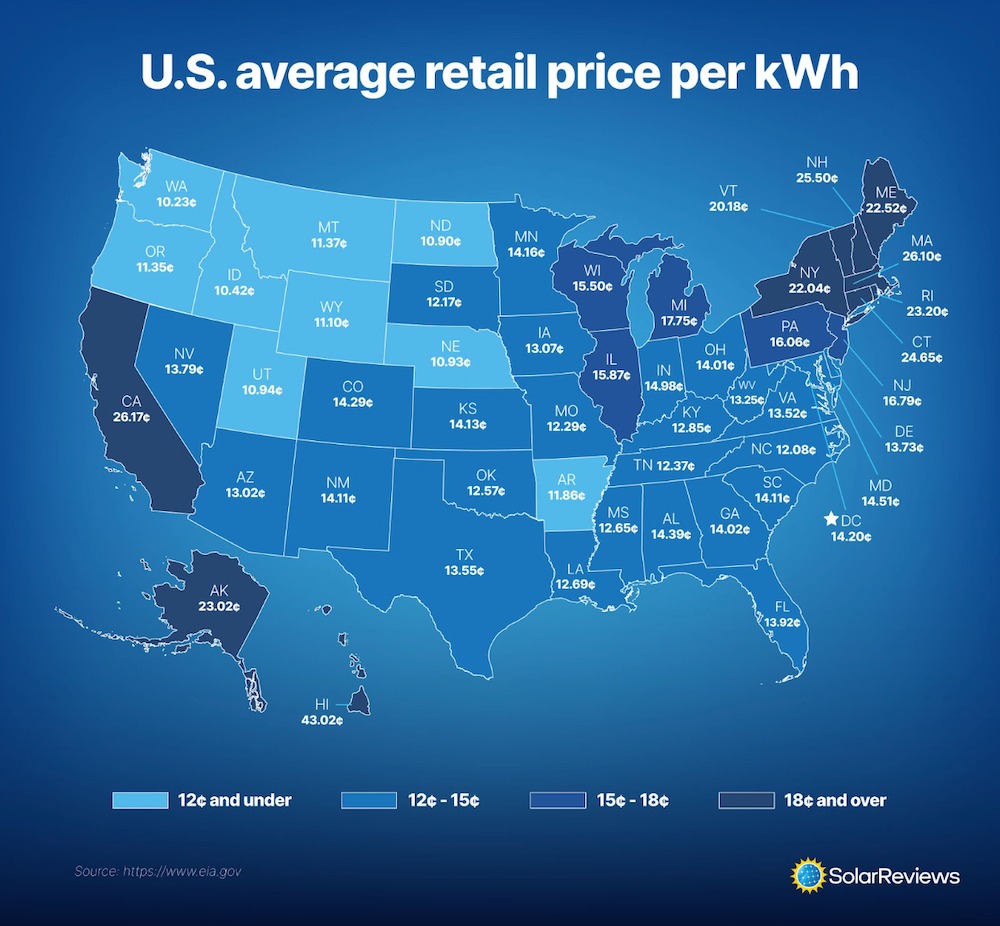
- Location, Location, Location: Live in sunny Arizona? Prepare for AC bills that could make your wallet weep. Up in chilly Minnesota? Your furnace is going to be working overtime. Geography is destiny… for your energy bill, at least.
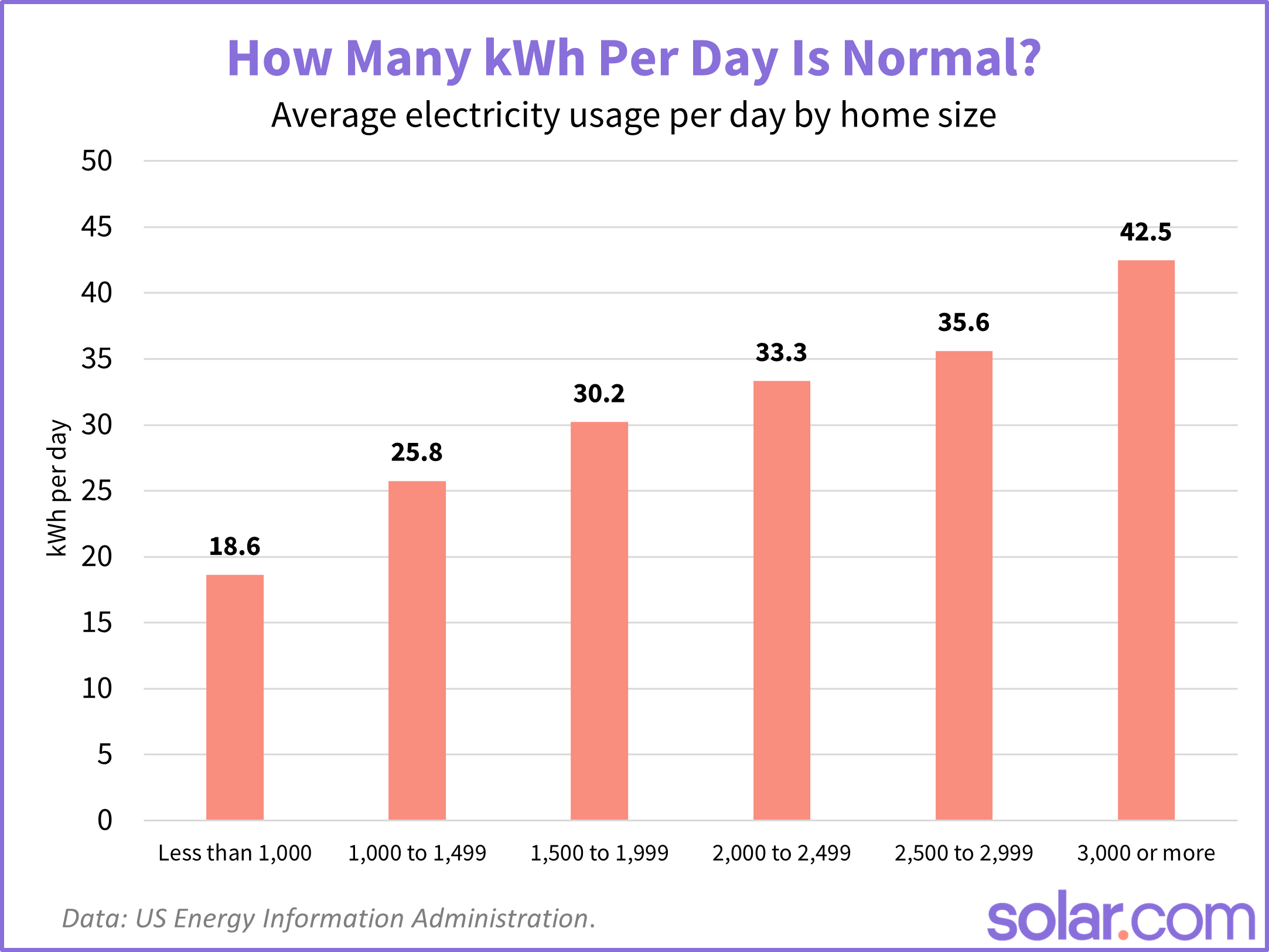
- House Size: Duh, right? A McMansion requires way more energy to heat, cool, and light than a cozy cottage. It's just basic real estate physics.
- Appliances: Old appliances are energy vampires. Seriously, that ancient refrigerator you inherited from your great-aunt Mildred? It's probably single-handedly funding your local power company's CEO's yacht. Consider upgrading to Energy Star certified models. Your wallet (and the planet) will thank you.
- Lifestyle: Are you a notorious light-leaver? Do you crank the AC down to arctic temperatures the moment summer hits? Do you have a family of teenagers who believe the shower is a portal to another dimension? These habits add up!
- Insulation: Poor insulation is like trying to keep a hot tub warm with the windows open. You're just throwing money (and energy) out the window… literally!
The "Vampire Load" – Energy's Sneaky Snack
Ever notice how your phone charger feels warm even when nothing's plugged into it? That's the "vampire load," also known as phantom load or standby power. It's the electricity your devices suck up even when they're supposedly "off." Individually, it's not much, but collectively, it can add a surprising chunk to your bill. Think of it like leaving a tiny faucet dripping constantly – over time, it fills a whole bucket!
The good news? Combatting the vampire load is easy! Unplug chargers and appliances when not in use, or use power strips to easily switch them off. You’ll feel like a superhero thwarting the forces of energy waste. Plus, you get to dramatically flip a switch! It's oddly satisfying.
So, What Can You Do?
Now that you're armed with this kilowatt-hour knowledge, what can you do to take control of your energy destiny? Here are a few ideas:
- Track Your Usage: Most utility companies offer online tools to monitor your energy consumption. Knowing where your energy is going is the first step to reigning it in.
- Embrace Efficiency: Switch to LED light bulbs, install a programmable thermostat, and upgrade those energy-hogging appliances.
- Seal the Deal: Caulk and weatherstrip around windows and doors to prevent drafts. Adding insulation is also a great investment.
- Be a Conscious Consumer: Turn off lights when you leave a room, unplug unused devices, and wash clothes in cold water. Small changes can make a big difference.
Ultimately, understanding your home's kilowatt consumption is about empowering yourself to make informed choices. It's about being a responsible steward of resources and saving some money in the process. And who doesn't love saving money? You can use it to buy more gadgets… which, ironically, will probably increase your kilowatt consumption. But hey, that's a problem for future you!