How Many Kilowatts Does It Take To Run A House

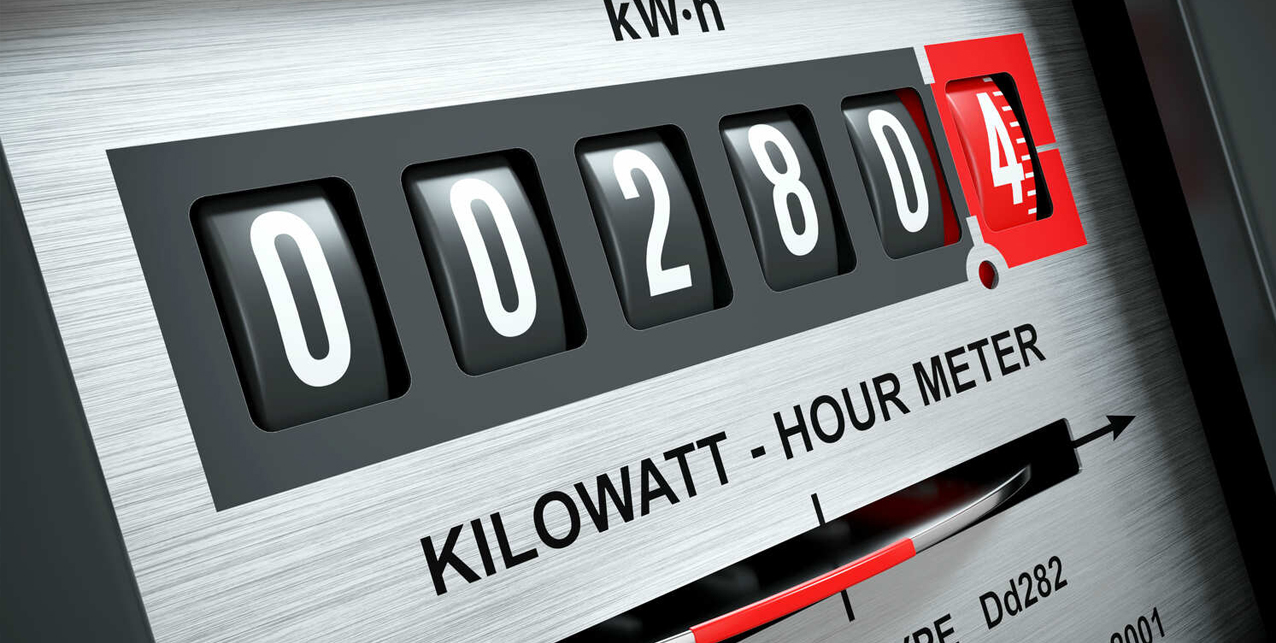
Ever wonder what makes your house tick? What mysterious force keeps the lights on, the fridge humming, and your phone charged? It's electricity, of course! And understanding how much electricity your house uses, measured in kilowatts (kW), is surprisingly empowering. It's like knowing the secret ingredient to a delicious recipe – it lets you control the outcome and even save some money along the way.
Knowing your home's kilowatt consumption provides several key benefits. First and foremost, it helps you understand your energy bills. Instead of just seeing a large number and scratching your head, you can start to connect specific appliances and habits to your overall energy usage. Secondly, it empowers you to make informed decisions about energy efficiency. Should you replace that old refrigerator? Is it worth investing in solar panels? Knowing your average kilowatt usage provides a crucial baseline for evaluating these options. Finally, understanding kilowatt usage promotes a more environmentally conscious lifestyle. By being aware of your energy consumption, you can actively reduce your carbon footprint and contribute to a more sustainable future.
So, how many kilowatts does it actually take to run a house? The answer, of course, varies greatly depending on the size of your home, the number of occupants, the climate you live in, and your lifestyle. A small apartment in a mild climate might only use a few kilowatts at any given moment, while a large house with central air conditioning and multiple energy-hungry appliances could easily draw ten kilowatts or more. Consider these common examples: a microwave typically uses around 1 kilowatt, a central air conditioner can consume 3-5 kilowatts, and an electric oven can draw even more! Think about how frequently you use these, and it begins to paint a picture of where your energy is going.
Must Read
Now, how can you enjoy this newfound knowledge more effectively and potentially lower your energy bills? Here are a few practical tips:
- Track your usage: Many utility companies provide online portals or apps that allow you to monitor your daily or even hourly energy consumption. Take advantage of these tools!
- Identify energy hogs: Once you're tracking your usage, look for spikes in consumption. What appliances are running during those times? This can help you identify energy-intensive devices.
- Unplug vampire devices: Even when turned off, many electronic devices continue to draw small amounts of power. Unplug chargers, TVs, and other devices when not in use to minimize this "vampire load."
- Upgrade to energy-efficient appliances: When replacing old appliances, look for Energy Star certified models. These appliances are designed to use significantly less energy than their older counterparts.
- Adjust your thermostat: Even small adjustments to your thermostat can make a big difference in your energy consumption. In the summer, raise the temperature a few degrees when you're away from home. In the winter, lower it slightly when you're asleep.
Understanding your home's kilowatt usage isn't just about saving money; it's about taking control of your energy consumption and making more informed choices about your lifestyle. So, dive in, explore your usage, and start making small changes that can have a big impact!