
How Many Kilowatts Does An Average Home Use
Ever wonder how much electricity your humble abode guzzles down? We're talking kilowatts, the unsung heroes powering your Netflix binges and keeping your fridge frosty. Let’s dive into the electrifying world of home energy consumption!
Decoding the Kilowatt: It's More Than Just a Buzzword
First, let's get comfy with kilowatts (kW). Think of a kilowatt as the muscle behind your microwave or the pep in your coffee maker's step. It's a measure of power, and the more powerful something is, the more kilowatts it usually needs. We're not talking superhero levels of power here, just enough to keep the lights on and the pizza rolls cooking!
The average home's energy use is usually measured in kilowatt-hours (kWh). This basically counts how many kilowatts you're using for how many hours. Imagine leaving a 1 kW appliance on for an hour – that's 1 kWh. Easy peasy!
Must Read
The Average Home: A Kilowatt Consumption Mystery
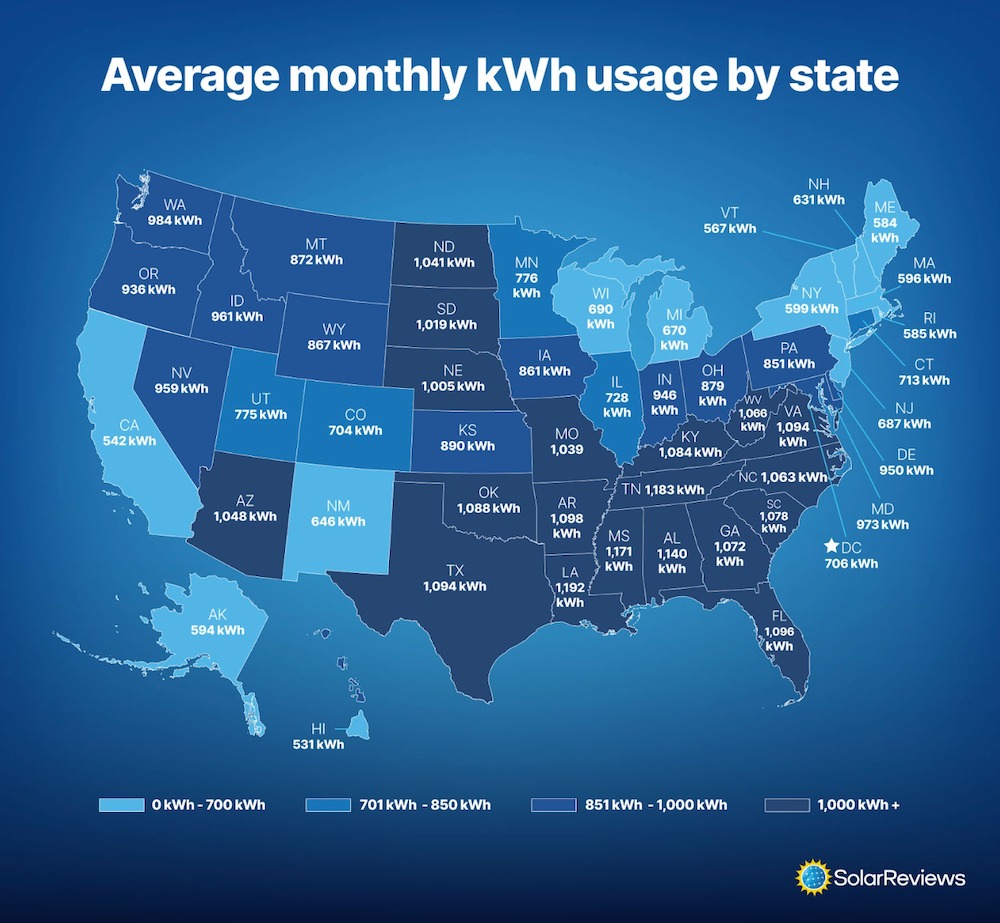
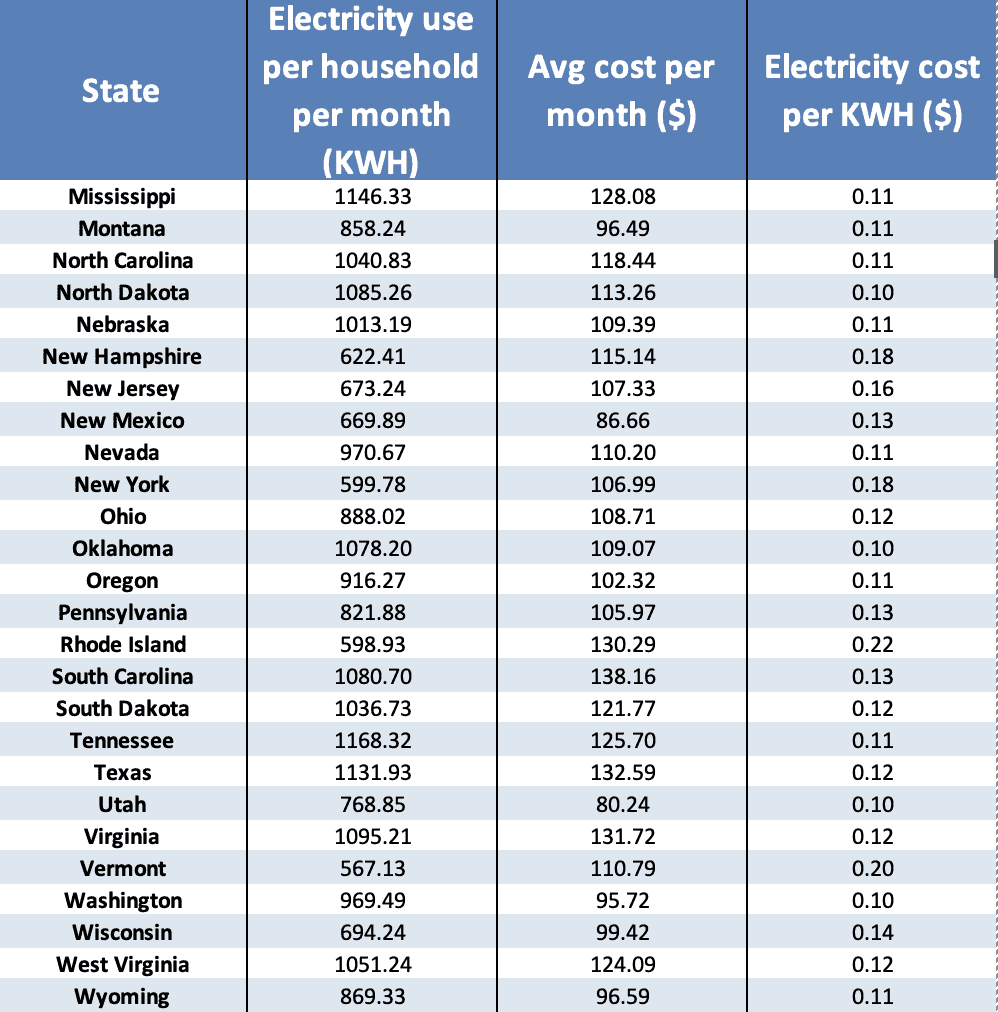
So, how many kilowatts does the average home use? Buckle up, because the answer is... it depends! But don't worry, we'll narrow it down.
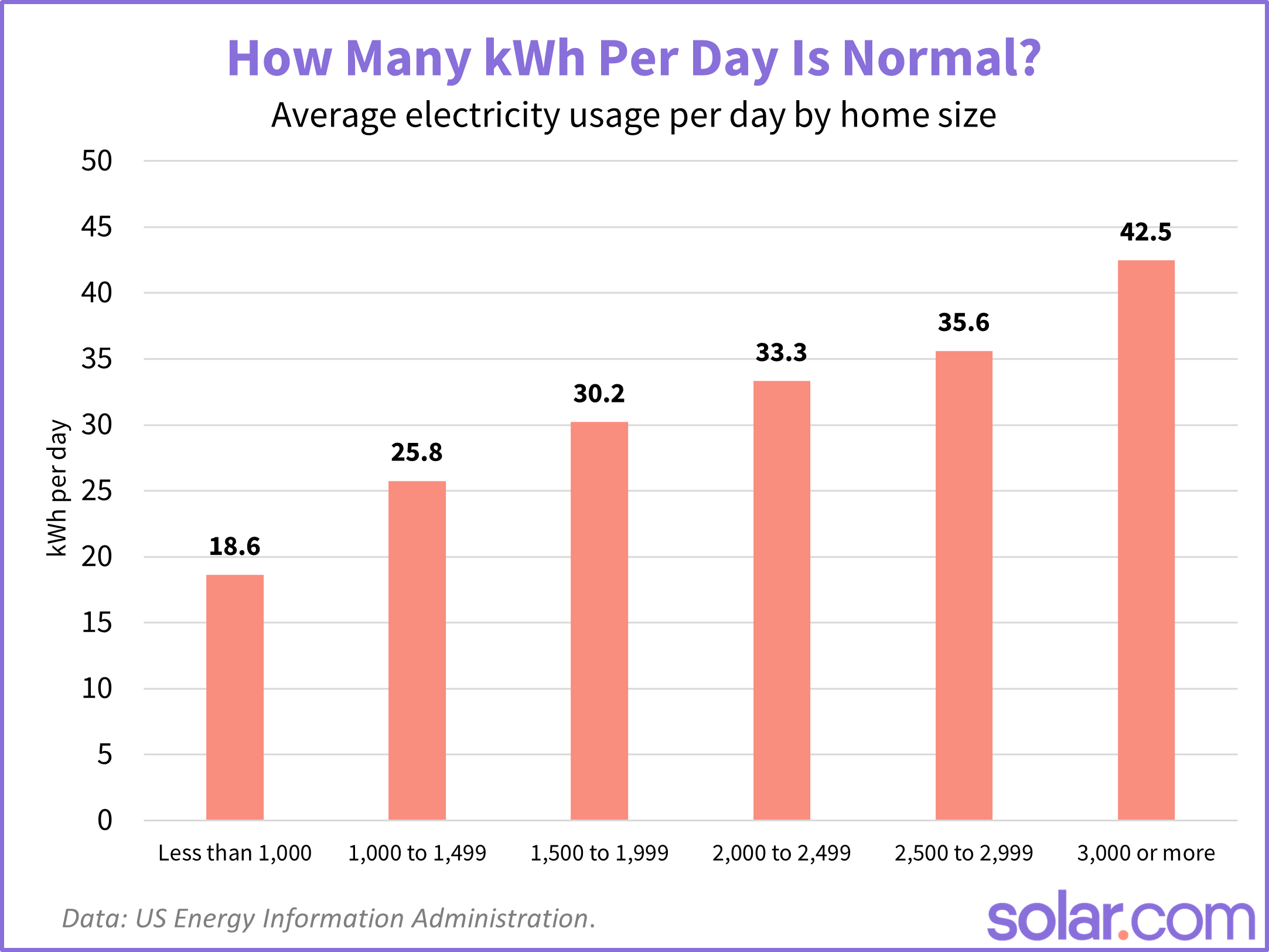
Nationally, an average home in the United States uses around 30 kWh per day. Think of it as a family of hamsters running on a giant electricity wheel all day and night!
Factors Influencing Your Home's Kilowatt Consumption
Okay, before you start comparing your energy bill to your neighbor's (we all do it!), let's consider some crucial factors. These energy hogs – or savers! – can dramatically change your kilowatt consumption.
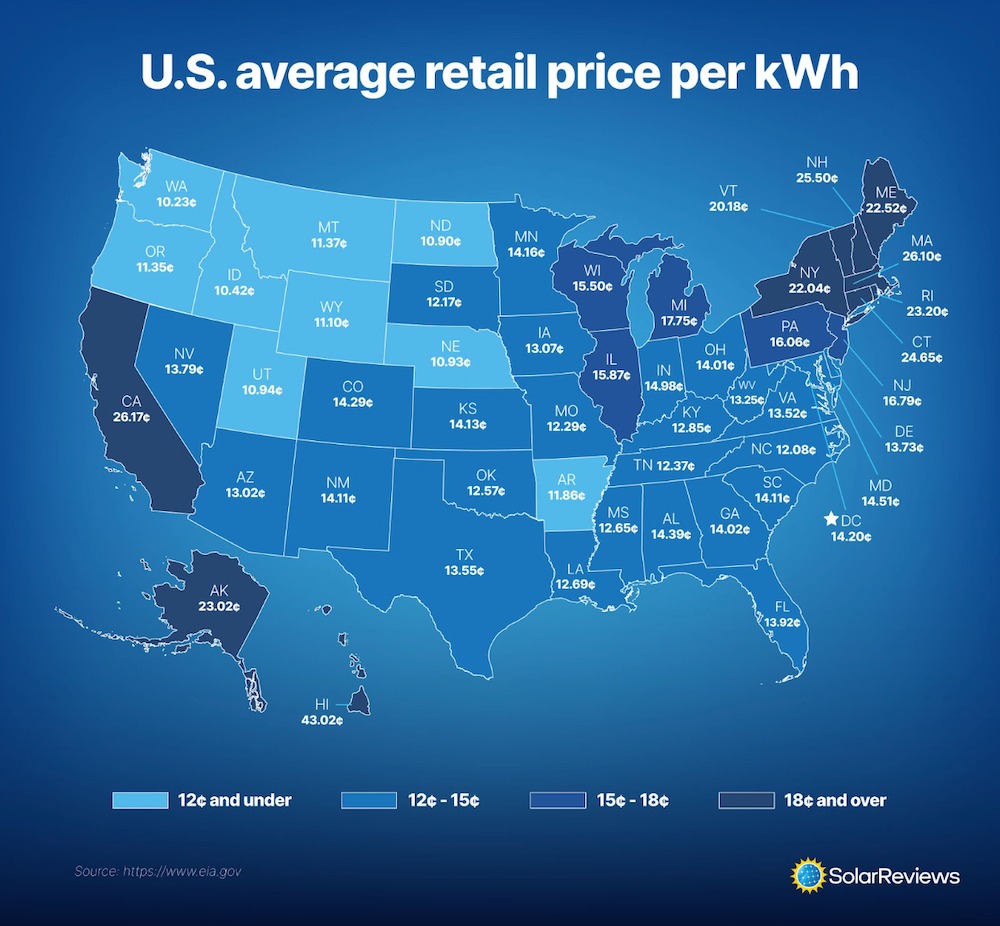
Location, Location, Location: Homes in scorching Arizona use way more AC than those in breezy San Francisco. Weather is a HUGE player.
The size of your house matters! A sprawling mansion will obviously demand more power than a cozy cottage.
Those vintage appliances? Adorable, but energy-guzzling! Modern, energy-efficient appliances are the way to go if you want to save on your energy bills and environment.
How many people are living in the house? More people means more showers, more laundry, and more devices plugged in.
Let's Break It Down: Appliance by Appliance
Ever wonder which appliances are the biggest energy vampires? Let's expose the culprits!
Air Conditioning and Heating: These are the heavyweight champions of energy consumption. They can eat up kilowatts like a hungry monster. Efficient systems are your best friends!
Water Heater: Hot showers are divine, but they come at an energy cost. Consider a tankless water heater for on-demand hot water and potential savings. Don't let the water run needlessly.
Refrigerator: Your fridge works tirelessly to keep your food fresh. Make sure the door seals are tight and that it's not crammed full to improve efficiency.
Lighting: Swapping incandescent bulbs for LEDs is a game-changer. LEDs use a fraction of the energy and last much longer. Think of it as swapping a gas-guzzling clunker for a sleek, electric car!
Electronics: TVs, computers, gaming consoles – they all consume energy, even when "off". Unplugging them or using power strips can save you kilowatts over time. Those standby lights are the sneaky thieves of energy!
So, What's Your Kilowatt Story?
Now that we've explored the average and the contributing factors, it's time to think about your own home. Are you an energy saint or a kilowatt sinner?
The best way to understand your energy consumption is to check your electricity bill. Most bills show your usage history, allowing you to compare month to month and year to year.
Want to get even more granular? Consider a smart energy monitor. These devices provide real-time data on your energy usage, allowing you to pinpoint exactly where your kilowatts are going.
Simple Ways to Trim Your Kilowatt Consumption
Feeling inspired to become an energy-saving superhero? Here are some easy tips to reduce your kilowatt consumption without sacrificing comfort. Let's reduce your carbon footprint!
Unplug Phantom Loads: Those chargers and appliances that are constantly plugged in, even when not in use? They're called phantom loads. Unplug them! It's like giving your wallet a little bonus every month.
Embrace Natural Light: Open those curtains and let the sunshine in! Natural light is free and can reduce your reliance on artificial lighting.
Use Energy-Efficient Appliances: When it's time to replace an appliance, choose an Energy Star certified model. They're designed to use less energy and save you money in the long run.
Seal Air Leaks: Drafty windows and doors let heat escape in the winter and cool air escape in the summer. Seal those leaks with caulk or weather stripping to improve your home's insulation.
Wash Laundry in Cold Water: Heating water accounts for a significant portion of your energy bill. Washing clothes in cold water is just as effective for most loads and saves a ton of energy.
Shorter Showers: While those long, hot showers are tempting, they're also energy-intensive. Cut back a few minutes and save some kilowatts.
Adjust Your Thermostat: A few degrees can make a big difference. Lower the thermostat in the winter and raise it in the summer when you're away or asleep.
Cook Smart: Using smaller appliances like toaster ovens or slow cookers can be more energy-efficient than using a full-sized oven for small meals. Plus, fewer dishes!
Consider Solar Power: This is the big leagues of energy saving! Installing solar panels can generate clean energy and reduce your reliance on the grid. This can be the most effective way to reduce your consumption.
The Future is Bright (and Energy-Efficient!)
Understanding your home's kilowatt consumption is the first step towards taking control of your energy bills and reducing your environmental impact. It is worth paying attention to.
By making small changes and being mindful of your energy usage, you can save money, conserve resources, and feel good about doing your part for the planet. We can make change!
So, go forth and conquer those kilowatts! May your energy bills be low and your lights be bright!