
How Many Kilowatts Does A House Use Per Hour
Ever wondered what your house gets up to while you're not looking? I don't mean spooky poltergeist activity (though that's a fun thought!). I'm talking about energy. Specifically, those mysterious kilowatts your house is slurping down every hour. It's like a secret life your home leads, powered by invisible electrons.
Trying to pin down an exact number is a bit like trying to herd cats. Every house is different! But let's try to get a general idea, without getting lost in a maze of complicated electrical jargon. Think of it like this: your house is a hungry monster, and kilowatts are its favorite snack.
The Average Home's Hourly Appetite
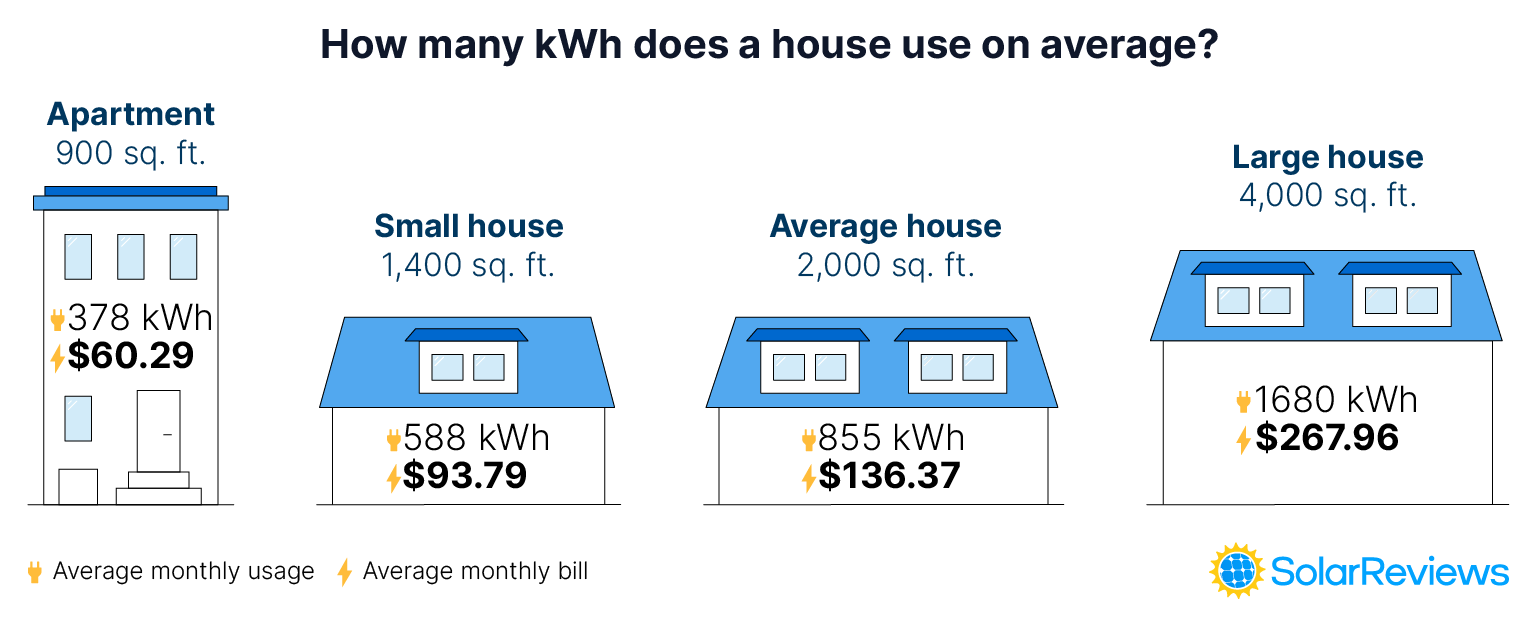
Alright, so how many kilowatts does this monster eat per hour? A good ballpark figure for the average US home is somewhere between 0.5 and 1.5 kilowatts per hour (kWh). But that’s a massive range! What makes the difference?
Must Read
Imagine Mrs. Higgins. She lives alone in a small, well-insulated apartment. Her biggest energy splurge is watching her favorite cooking shows on her energy-efficient LED TV. She rarely uses the AC and is diligent about turning off lights. Mrs. Higgins' home probably sips energy, using closer to that 0.5 kWh mark. She's the energy-saving ninja we all aspire to be!
Then there's the Thompson family. A sprawling house, teenage kids with perpetually-on gaming consoles, and a love for blasting the AC even when there's a slight breeze. Their home is likely closer to the 1.5 kWh end of the spectrum, or even higher! They're not necessarily bad – they just have different energy needs.
The Usual Suspects: Energy Hogs in Disguise
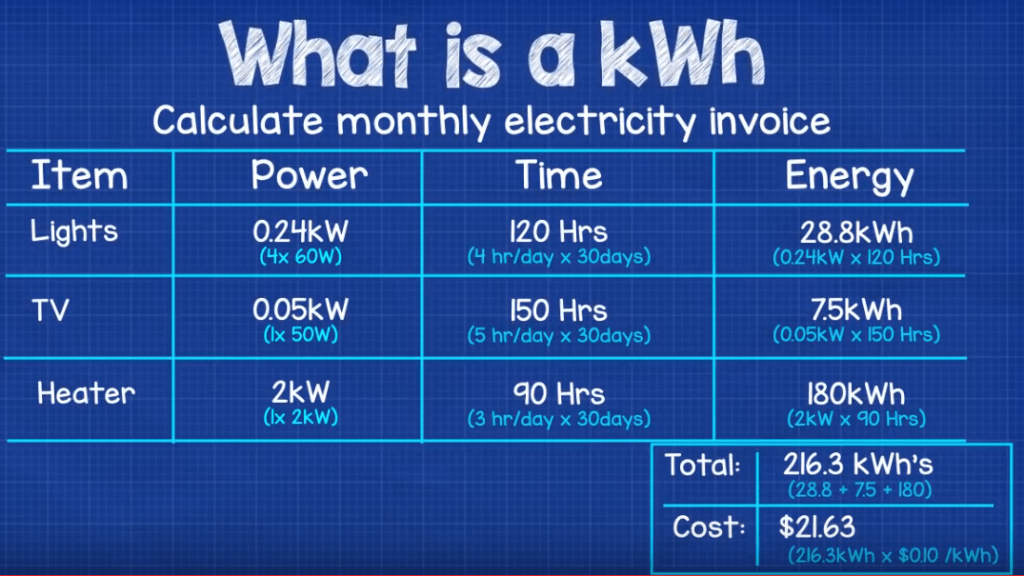
So, what are these energy-guzzling culprits hiding in plain sight? Think about the appliances that are always on or frequently used:
- Air Conditioning/Heating: The biggest offender by far! These can suck up kilowatts like a thirsty elephant.
- Water Heater: Constantly heating water, even when you're not using it. That’s sneaky!
- Refrigerator: Always humming along, keeping your food cold (and occasionally growing mysterious things in the back).
- Lighting: Those old incandescent bulbs? Energy vampires! Switching to LEDs is a game changer.
- Electronics: TVs, computers, gaming consoles… they all contribute, especially when left on standby.
My friend, David, learned this the hard way. He kept complaining about his electric bill, until he realized his ancient refrigerator was working overtime just to keep a single can of soda cold. Replacing it was like giving his wallet a new lease on life!
Little Changes, Big Impact
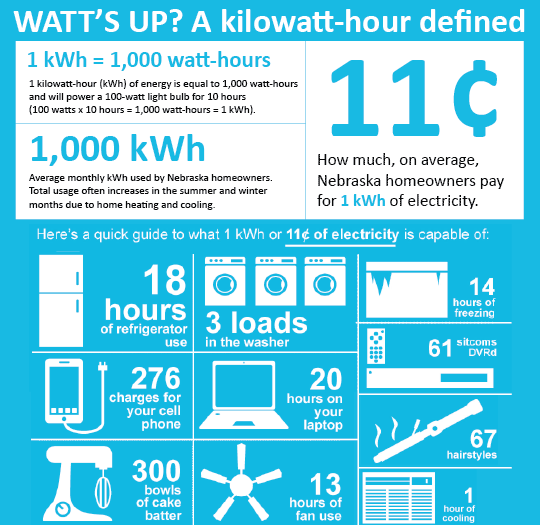
The good news is that you don't have to live in the dark to save energy. Small changes can make a big difference. Think about switching to LED bulbs, unplugging chargers when not in use, and being mindful of your AC usage. Even just turning off the lights when you leave a room can add up over time.
There's also the "vampire load" – that sneaky energy that appliances use even when they're turned off. Unplugging things like your TV and coffee maker when you're not using them can save a surprising amount of energy over the long haul.
Beyond the Kilowatt: It's About Our Home
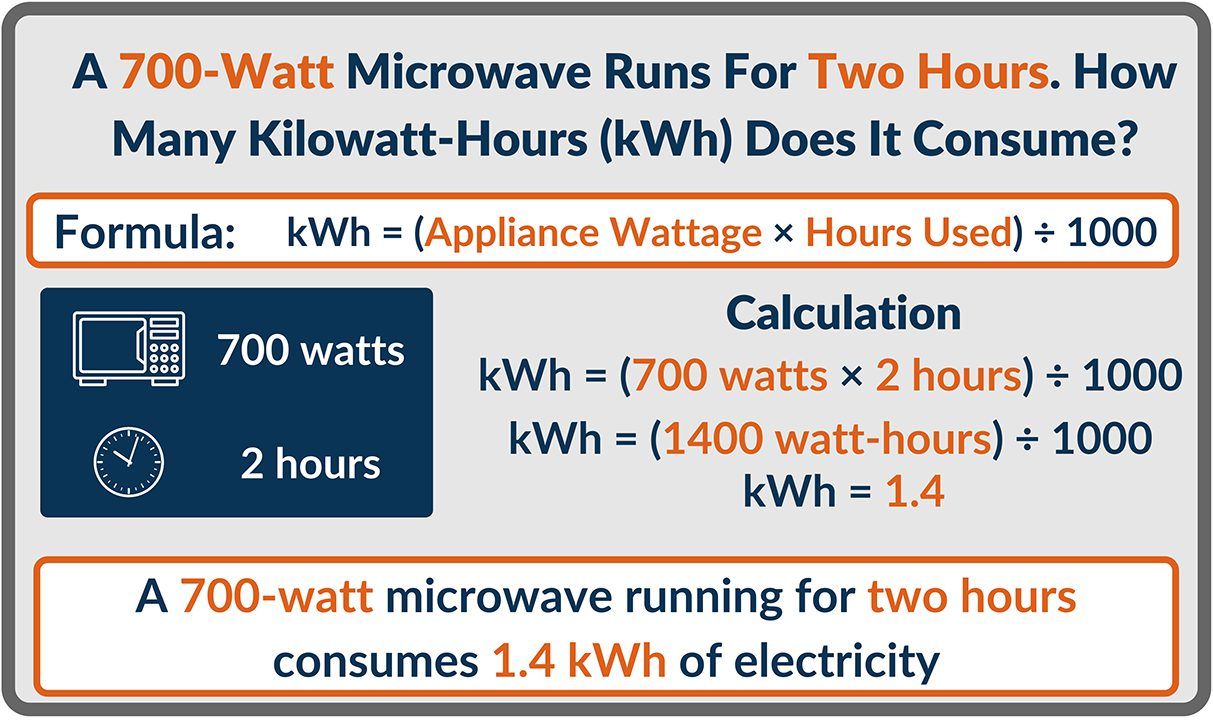
Understanding your home's energy consumption isn’t just about saving money. It's about being more aware of our impact on the planet. It's about making conscious choices that benefit both our wallets and the environment. Plus, knowing how your home uses energy can empower you to make smart decisions about upgrades and renovations.
So, the next time you get your electric bill, don't just see a number. Think about the invisible dance of electrons happening within your walls, powering your life, and keeping your home humming along. It's a story of comfort, convenience, and the surprising amount of energy it takes to keep our little castles running.
And who knows, maybe you'll even discover a few energy vampires lurking in your own home. Happy hunting!
.png)