
How Many Kilowatts Does A 1500 Watt Heater Use
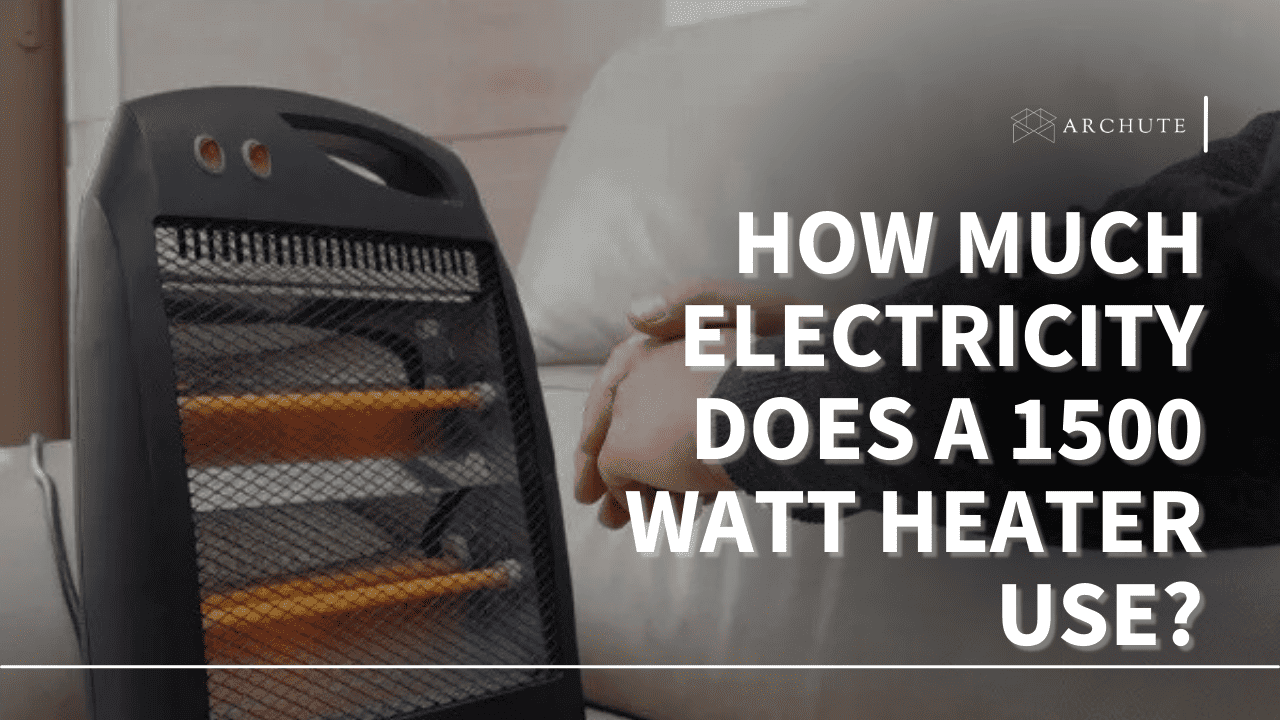
Let's talk heaters. Specifically, that trusty 1500-watt heater you lug out every winter, the one that makes your toes sing with joy. But have you ever stopped to wonder exactly how much electricity that little comfort machine is gobbling up?
Deciphering the Watts: It's Easier Than You Think
Don't worry, we're not diving into quantum physics. Understanding your heater's energy consumption is surprisingly simple, even if you think you're allergic to numbers. It all boils down to kilowatts.
A kilowatt (kW) is just a fancy way of saying 1000 watts. So, your 1500-watt heater? That's 1.5 kilowatts. See? We're already winning at understanding electricity!
Must Read
The Hourly Hunger of a 1500-Watt Heater
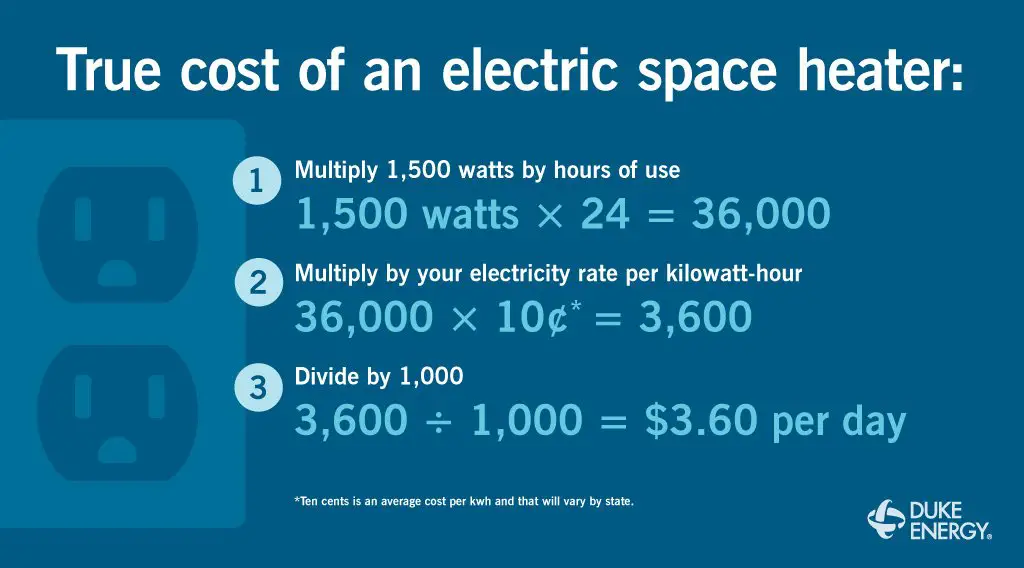
Now, here's the juicy part. If you run your 1500-watt (or 1.5 kW) heater for one hour, it uses 1.5 kilowatt-hours (kWh) of electricity. Kilowatt-hours are what your electricity company charges you for.
Think of it like this: your heater is a hungry little monster, and kilowatt-hours are its snacks. The more it eats, the bigger your electricity bill.
The Cost of Cozy: Crunching the Numbers
Alright, time to put those kilowatts to work! To figure out how much it costs to run your heater, you need to know the price of electricity in your area. You can usually find this on your electricity bill, expressed as a price per kilowatt-hour (kWh). Let's say, for example, it's $0.20 per kWh.
To calculate the hourly cost, simply multiply the heater's kilowatt usage (1.5 kW) by the price per kilowatt-hour ($0.20). In this case, it would be 1.5 x $0.20 = $0.30 per hour. So, running your 1500-watt heater for one hour costs you about 30 cents.
Daily Doses of Heat: What Does it Add Up To?
Now, let's imagine you're really feeling the chill and you leave your heater on for, say, 8 hours a day. That's 8 hours x $0.30/hour = $2.40 per day. Not too bad, right?
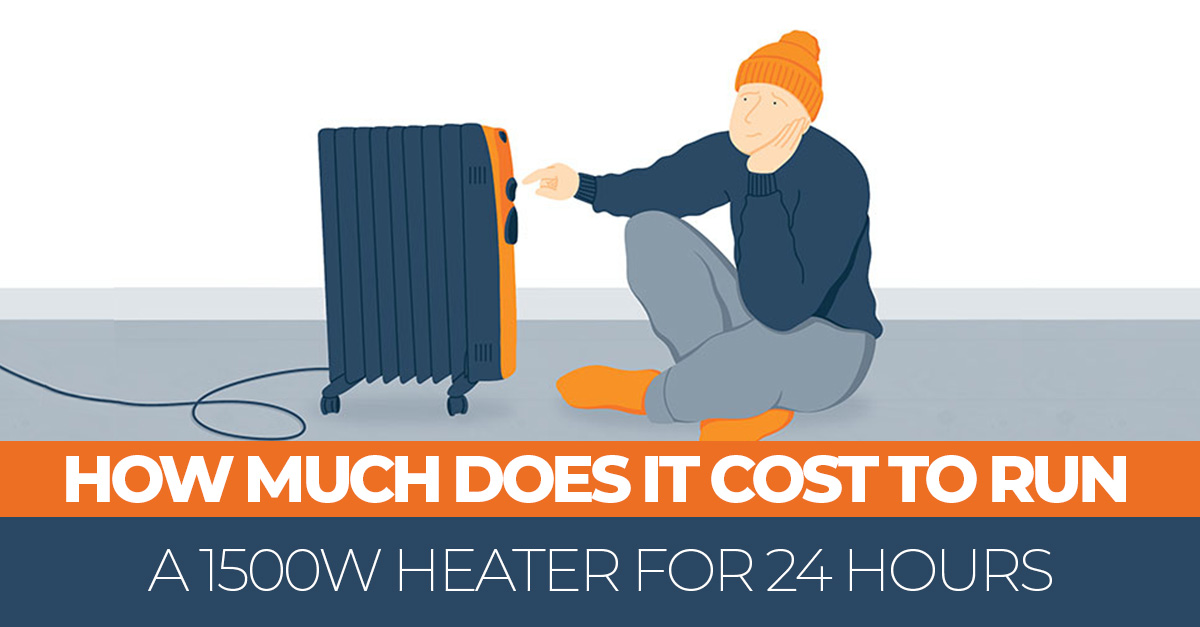
But what about the whole month? If you run the heater for 8 hours a day every day for a 30-day month, that's $2.40/day x 30 days = $72.00. Suddenly, that cozy warmth is looking a little more expensive!
The Great Thermostat Tango: Finding the Balance
Here's where the thermostat becomes your best friend. Instead of blasting the heater on full all the time, try setting it to a comfortable temperature and letting it cycle on and off.
This can save you a significant amount of money because the heater isn't constantly drawing power. It's like a gentle dance between warmth and energy conservation.
Insulation Inspiration: Keeping the Heat Where it Belongs
Another secret weapon in your fight against high heating bills is good insulation. Imagine trying to fill a bucket with holes in it – you'd be constantly pouring water in, but it would never fill up.
Similarly, if your home is poorly insulated, heat will escape, and your heater will have to work harder to maintain the temperature, using more electricity in the process. Insulating your walls, windows, and doors is like patching up those holes in the bucket.
Heater Habits: Little Changes, Big Savings
Beyond thermostats and insulation, there are other small changes you can make to reduce your heater's energy consumption. For example, only heat the rooms you're using.
Closing doors to unused rooms can help to trap the heat in the spaces you're actually occupying. It's a simple trick, but it can make a noticeable difference.
The Human Factor: Embracing Layers and Warm Drinks
Sometimes, the best way to save energy is to simply embrace the cold. Okay, maybe not embrace it completely. But layering up with sweaters, socks, and blankets can make a big difference in how much you rely on your heater.
And let's not forget the power of a warm beverage! A hot cup of tea, coffee, or cocoa can do wonders for warming you up from the inside out, reducing your need to crank up the heat.
The Heartwarming Truth: Comfort Doesn't Have to Break the Bank
The point isn't to make you feel guilty about enjoying the warmth of your 1500-watt heater. It's about understanding how much energy it uses and finding ways to use it more efficiently.

By making small changes to your heating habits, you can stay cozy all winter long without sending your electricity bill through the roof. It's a win-win situation!
Smart Strategies: The Power of Programmable Thermostats
Consider investing in a programmable thermostat. These handy devices allow you to set different temperature schedules for different times of the day. For instance, you can set the thermostat to lower the temperature while you're at work or asleep.
This ensures that you're not wasting energy heating an empty house. It's like having a tiny, energy-saving robot in charge of your home's temperature.
Remember Energy Star: Your Appliance Ally
When it's time to replace your heater (or any appliance, for that matter), look for the Energy Star label. Energy Star certified appliances meet strict energy efficiency guidelines set by the EPA.
While they might cost a little more upfront, they can save you money in the long run by using less energy. Plus, you'll be doing your part to protect the environment.

The Future of Heating: Embracing Efficiency
As technology advances, heaters are becoming more and more efficient. From smart heaters that learn your habits to infrared heaters that focus heat on specific areas, there are many innovative ways to stay warm without wasting energy.
Keeping an eye on these advancements can help you make informed decisions when it comes to your heating needs. The future of heating is bright (and energy-efficient!).
The Bottom Line: Knowledge is Power (and Savings!)
Understanding how many kilowatts your 1500-watt heater uses is the first step towards taking control of your energy consumption and saving money on your electricity bill. It's not about sacrificing comfort; it's about being smart about how you use energy.
So, go forth and enjoy the warmth, armed with your newfound knowledge! And remember, a little awareness can go a long way towards creating a cozier, more energy-efficient home. Now, if you'll excuse me, I'm going to go put on a sweater and make a cup of tea!