
How Many Kilowatts Can Solar Panels Produce
Let's face it, there's something deeply satisfying about watching the sunlight beat down on your roof, knowing that it's not just making your garden grow, but also powering your life. Solar panels have moved from being a futuristic fantasy to a practical reality for homeowners and businesses alike, and understanding how much energy they can actually produce is key to harnessing their full potential.
Why the fascination with solar? Well, for starters, it's a way to reduce your carbon footprint. We all want to do our part for the planet, and switching to solar is a tangible step in the right direction. Beyond that, it can also save you money. Imagine less reliance on the traditional power grid and lower electricity bills – sounds pretty good, right?
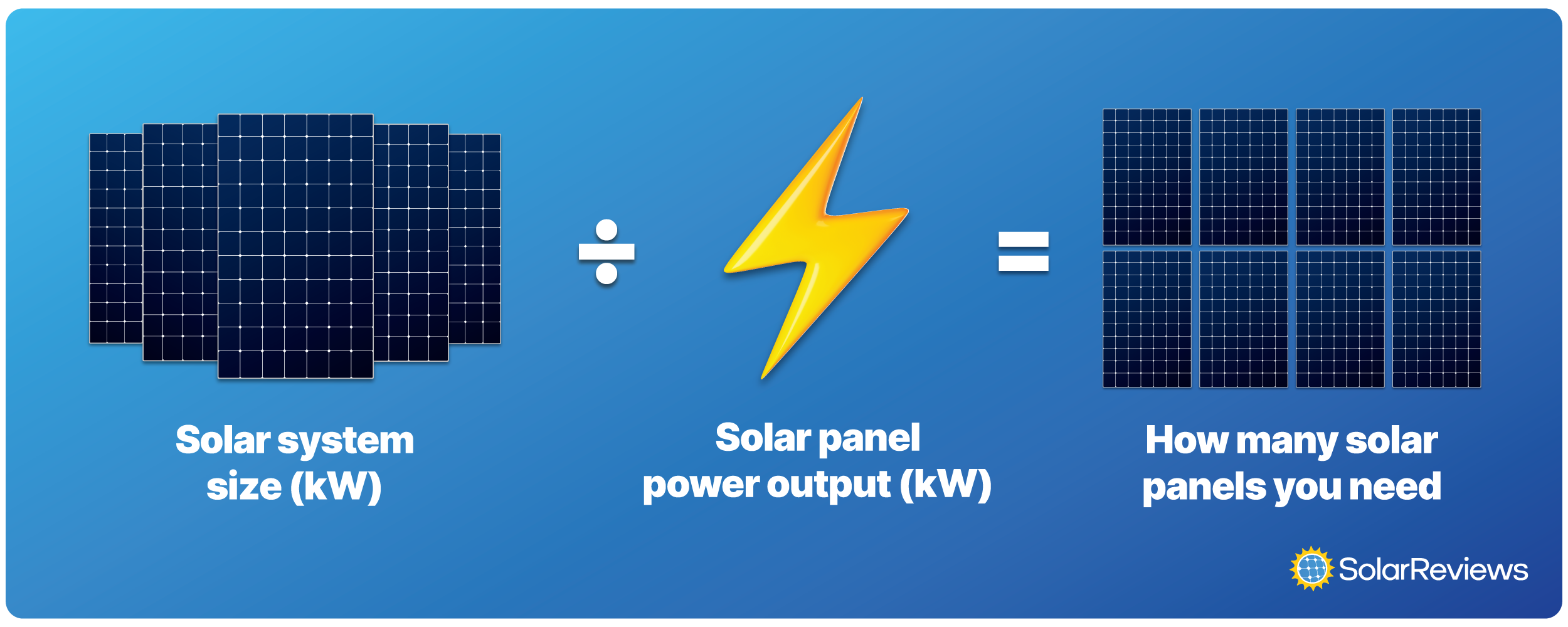
Solar panels work by converting sunlight into electricity. The amount of electricity they produce is measured in kilowatts (kW). A kilowatt is simply a unit of power. So, how many kilowatts can a solar panel actually generate? It depends on several factors, including the panel's size, the amount of sunlight it receives, and its efficiency. A typical residential solar panel might have a power rating of around 300 to 400 watts (0.3 to 0.4 kW). However, that's just the panel's peak output under ideal conditions. In reality, factors like shading, temperature, and the angle of the sun can affect performance.
Must Read
You see solar panels everywhere these days. They're powering homes, businesses, and even entire communities. They're used to charge electric vehicles, heat water, and run appliances. Many large-scale solar farms are feeding electricity into the grid, helping to reduce our reliance on fossil fuels.

So, how can you maximize the power output of your solar panels and enjoy their benefits more effectively? Here are a few practical tips:
- Choose the right location: South-facing roofs generally receive the most sunlight. Avoid areas shaded by trees or buildings.
- Keep your panels clean: Dust, dirt, and bird droppings can reduce their efficiency. Regularly cleaning your panels can make a significant difference.
- Consider panel efficiency: Higher efficiency panels can generate more power in a smaller space. While they might be more expensive upfront, they can offer better long-term value.
- Monitor your system's performance: Many solar panel systems come with monitoring software that allows you to track their output and identify any potential problems.
- Consider battery storage: Storing excess solar energy in batteries allows you to use it even when the sun isn't shining, further reducing your reliance on the grid.
Ultimately, understanding how many kilowatts your solar panels can produce is essential for making informed decisions about your energy needs. By optimizing your system and following these tips, you can unlock the full potential of solar power and enjoy a cleaner, more sustainable, and cost-effective future.
.png)

![How much electricity do solar panels produce? [UK, 2024]](https://images.prismic.io/sunsave-website/ZnxEJZbWFbowe4jR_graphic-Solarpaneloutput.jpg?auto=format,compress?auto=compress,format)