
How Many Kilowatts Can A Wind Turbine Produce

Okay, so picture this: I’m driving through West Texas, right? Miles and miles of…well, not much. Except for these massive wind turbines, just gracefully spinning away. It got me thinking, beyond looking cool and vaguely sci-fi, how much juice are those things actually cranking out? Like, enough to power my air conditioning so I don’t melt in this heat?
That's the question we’re tackling today: How many kilowatts can a wind turbine produce? It's not a super straightforward answer, unfortunately. Like, if only everything in life was as simple as “plug and play”, am I right?
The Size Matters (A Lot)
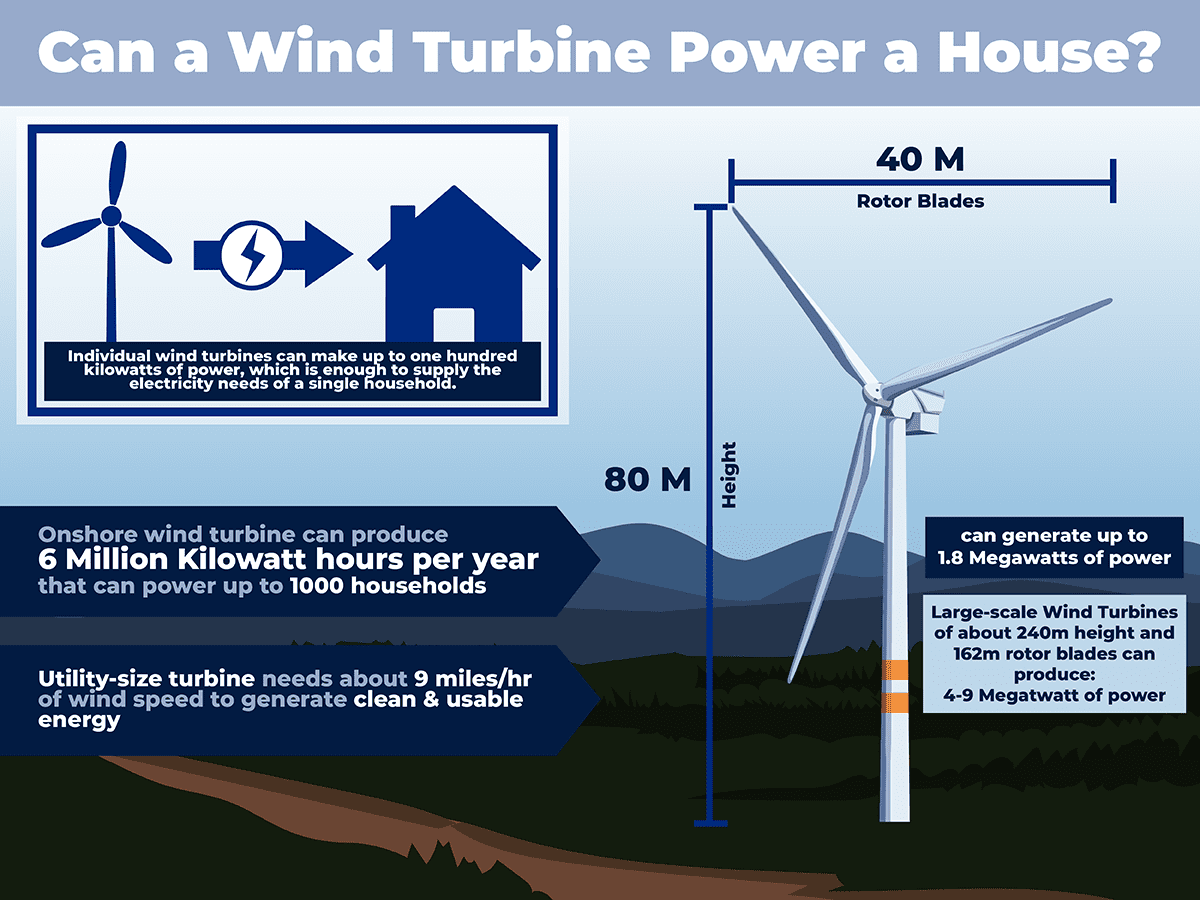
First off, size absolutely matters. I mean, come on, we all know that, right? Wind turbines are not one-size-fits-all. You have the small, residential guys and the ginormous industrial ones you see dominating the landscape. Naturally, a bigger turbine with longer blades is going to capture more wind and generate more electricity.
Must Read
Residential Turbines: These are the little fellas. Think backyard wind power. They typically range from 1 kW to 20 kW. Great for offsetting some of your energy bill, but probably not going to power your entire neighborhood. (Side note: check local regulations before slapping one of these up. Your neighbors might not appreciate the aesthetic…or the potential noise.)
Utility-Scale Turbines: Now we're talking! These behemoths are the ones you see in wind farms. We’re talking 2 MW (megawatts) to 8 MW, and even higher in some cases. That's 2,000 kW to 8,000 kW! A single one of these could potentially power hundreds, even thousands, of homes depending on the wind and how efficient it is. That's a lot of Netflix binging, people!
It’s All About the Wind (Duh!)
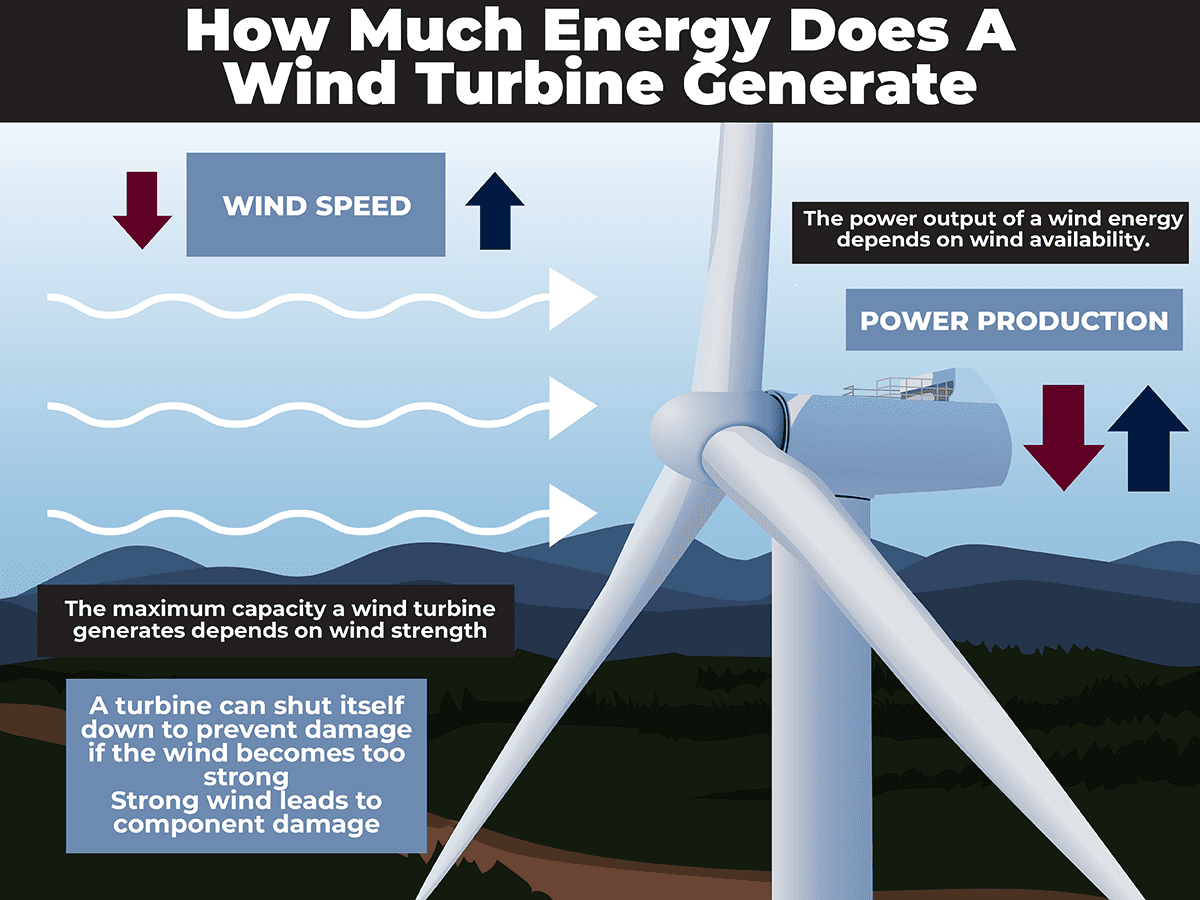
This seems obvious, but it's crucially important. Wind turbines generate electricity from the kinetic energy of the wind. No wind = no electricity. A turbine sitting in a completely still location will produce absolutely zero kilowatts. Sad trombone sound effect!
Wind speed is the key driver. The power output of a turbine increases exponentially with wind speed. Double the wind speed, and you potentially get eight times the power! (There are some engineering limitations, but you get the idea.) So, location, location, location is just as important for wind farms as it is for real estate.
Capacity Factor: The Real Story
Here's where things get a little more nuanced. Even if a turbine is rated for, say, 3 MW, it's not constantly producing 3 MW. That’s its maximum potential output. The reality is that the wind doesn't blow consistently. There are lulls, there are storms (which can actually shut down turbines for safety reasons, ironically), and everything in between.
This is where the capacity factor comes in. It's the ratio of the actual energy produced by a turbine over a period of time to the theoretical maximum energy it could have produced if it had been operating at full capacity the entire time. The average capacity factor for wind turbines is usually between 30% and 50%. So, a 3 MW turbine might only average 1 MW to 1.5 MW of actual power output over a year.

Other Factors Affecting Output
Besides size and wind speed, several other factors influence how many kilowatts a wind turbine can produce:
- Turbine technology: Newer turbines are generally more efficient. Engineering is always improving!
- Maintenance: Regular maintenance is vital to keep turbines running at peak performance. A poorly maintained turbine will produce less power. Think of it like your car – you gotta change the oil!
- Grid Connection: How easily the electricity generated can be fed into the power grid. A bottleneck in the grid can limit the amount of power that can be delivered.
So, What's the Bottom Line?
Answering the question of how many kilowatts a wind turbine can produce isn’t a simple number. It depends on size, wind speed, location, technology, and a whole bunch of other variables. Residential turbines might produce a few kilowatts, while utility-scale turbines can produce thousands. Remember that capacity factor, though. That's the key to understanding the real-world output.
Next time you see those majestic turbines spinning, you’ll have a better idea of what they're actually doing and how much electricity they’re generating. And maybe, just maybe, they’re powering your air conditioning. You're welcome. ;)
